
Easter, Norwegian Style
Påskekrim, mountain cabins, yellow chicks, and Kvikk Lunsj — how Norway celebrates spring
Curious about how Norwegians celebrate Easter? In a country with one of the longest Easter holidays in the world, there’s plenty of time to slow down and enjoy the good things. Think skiing trips, sunny cabin walls, oranges in your backpack. And, of course, the iconic Kvikk Lunsj chocolate. And do not forget påskekrim! Easter crime, directly translated.
The Easter Crime Tradition
This might just be Norway’s most unusual Easter tradition. And the most bloody. During Easter, most Norwegians get their dose of crime and mysteries. Kids, adults, grandparents… Yes, even the kids.

There’s crime on TV, on the radio, in paperback books at mountain cabins, in children’s shows. And even on milk cartons, where you might find a mystery to solve over breakfast.
It all started on March 24, 1923 — the day before Palm Sunday — when the newspaper Aftenposten ran the dramatic headline: “The Bergen Train Robbed Last Night.” Readers were shocked. But it turned out to be a clever marketing stunt for a crime novel by Nordahl Grieg and Nils Lie. The stunt is widely seen as the starting point of påskekrim as a genre in Norway.

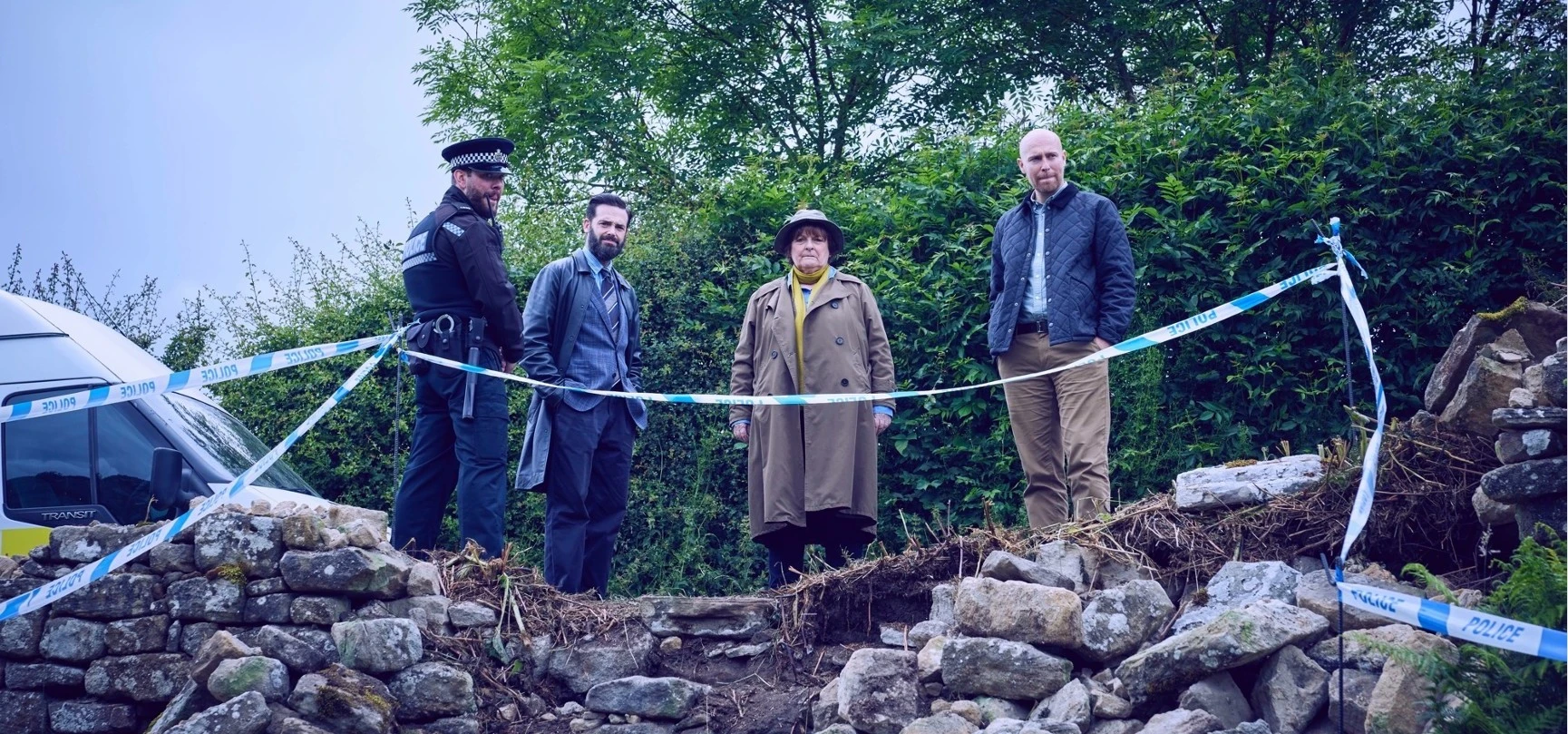
By the 1950s, crime novels had become standard Easter reading, and NRK began airing crime radio dramas during Easter week. The TV tradition followed in 1966, and ever since, Easter crime has been a seasonal highlight. Often featuring British detectives in small villages with alarming murder rates. Or perhaps a Norwegian village cop in a small community shaken by a murder or two.

Why crime at Easter, you might ask. Many point to the simple fact that Norway has one of the longest Easter holidays in the world. That means long, quiet days, cozy cabin life, and the perfect excuse to pack a few delightfully dark paperbacks in your backpack. Today, påskekrim is such a well-established tradition that it’s hardly even a guilty pleasure. It’s simply part of Easter in Norway.
Norway’s Easter Crime Obsession
How a fake 1923 headline ignited påskekrim — Scandinavia’s most unlikely literary tradition.
Read more
Mountain Trips, Cross-Country Skiing and Cabin Life
For many Norwegians, Easter is synonymous with cabin life, sunny ski trips, and oranges enjoyed against a sun-warmed wall. The image of a bright, sunlit Easter in the mountains is so deeply rooted that it has for sure become part of the Norwegian identity.

This is a long-standing tradition, and Easter trips to the mountains mean a great deal to many Norwegians. And it is doable because of the many public holidays during Easter.
What is more beautiful than blue sky and mountains covered in snow? Ahh… But looks can (as we know) be deceiving, and the Norwegian mountains can be unpredictable and sometimes dangerous. That’s why the mountain safety rules are so well known.

Easter Decorations
Yellow, yellow… and more yellow. With just a touch of green.
When Norwegians decorate for Easter, homes fill up with daffodils and fluffy little chicks — bright symbols of the shift from winter darkness to spring light.

The oldest Easter decorations in Norway are pussy willows and budding birch branches.

In medieval times, when palm branches were hard to come by, pussy willows were used to commemorate Jesus’ entry into Jerusalem on Palm Sunday. Budding birch branches, in turn, are a gentle reminder that spring (and new life) is on its way.
During the 20th century, Easter decorations became common in most homes. Especially after World War II, eggs and yellow chicks grew popular.
In earlier times, there was a period during winter when hens stopped laying eggs, only to start again around Easter. That made both eggs and chicks natural symbols of new life and the arrival of spring. Painting eggshells became common in Norway in the early 1800s, likely a tradition brought by German immigrants. Over time, people also began buying decorative paper eggs filled with chocolate, marzipan eggs, egg-shaped candles. And plenty of other festive treats.
And what about the Easter Bunny? It did eventually hop its way into Norway, mostly as decoration. But unlike in many other countries, it never became a big deal. Traditionally, hares were seen more as pests than magical gift-bringers in Scandinavia. It might have something to do with that.
Take a look at these wonderfully charming (and occasionally slightly creepy) vintage Easter cards!
A Century of Spring Greetings
-

Easter card, ca. 1907. National Library of Norway / Wikimedia Commons -

Glædelig Paaske — Happy Easter. Wikimedia Commons -

Glædelig Paaske, ca. 1922. Wikimedia Commons -

Gledelig Paaske, ca. 1928. Wikimedia Commons
Easter Food — and All That Candy
A keyword for Norwegian Easter food would be eggs. Both ordinary eggs and Easter eggs brimming with sweets. Also, roast lamb for dinner. Oranges, the bright yellow soda Solo, and, of course, the iconic chocolate bar Kvikk Lunsj.
Let’s start with the eggs: Norwegians eat twice as many eggs during Easter as they do the rest of the year. Altogether, around 24 million eggs are enjoyed over the holiday period. Most of them appear at the breakfast table, where Easter mornings are often filled with hard-boiled eggs, fried eggs, omelettes, and creamy scrambled eggs. It’s not a very complicated tradition, but one that feels deeply tied to the season.
For many, a beautifully roasted leg of lamb is the great festive meal of Easter. Surprisingly, however, this tradition is relatively new, only around 40 years old.

Then comes the Easter candy. For many children, Easter eggs filled with sweets are an absolute must. They are often hidden away as part of a fun treasure hunt.
Now to something much healthier: oranges. They are an essential part of the packed lunch when heading into the mountains for a ski trip. Norwegians eat an estimated 20 million oranges during Easter week, making the orange a true symbol of the holiday.
And the orange is rarely alone. It is often accompanied by Kvikk Lunsj chocolate. The two are almost inseparable companions, whether high up in the mountains or enjoying the sunshine outside a cabin wall.


Oh, and let’s not forget Norway’s Easter soda number one, Solo. It has been on the market since 1934, and the yellow orange soda continues to be an Easter classic in Norway.
In earlier times, it was common to have specific dishes for each day of Easter, and many people still follow these old traditions. For example, the food eaten on Good Friday was traditionally very salty: salted herring, salted meat with mashed swede, or pea soup. The meal was meant to provoke thirst, serving as a reminder of Jesus’ suffering on the cross.

So there you have it — find your own Norwegian Easter favourite! Whether it is an ice cold Solo, a trip to the mountains, or a thrilling crime novel. Or all of the above!
Happy Easter! God påske!