
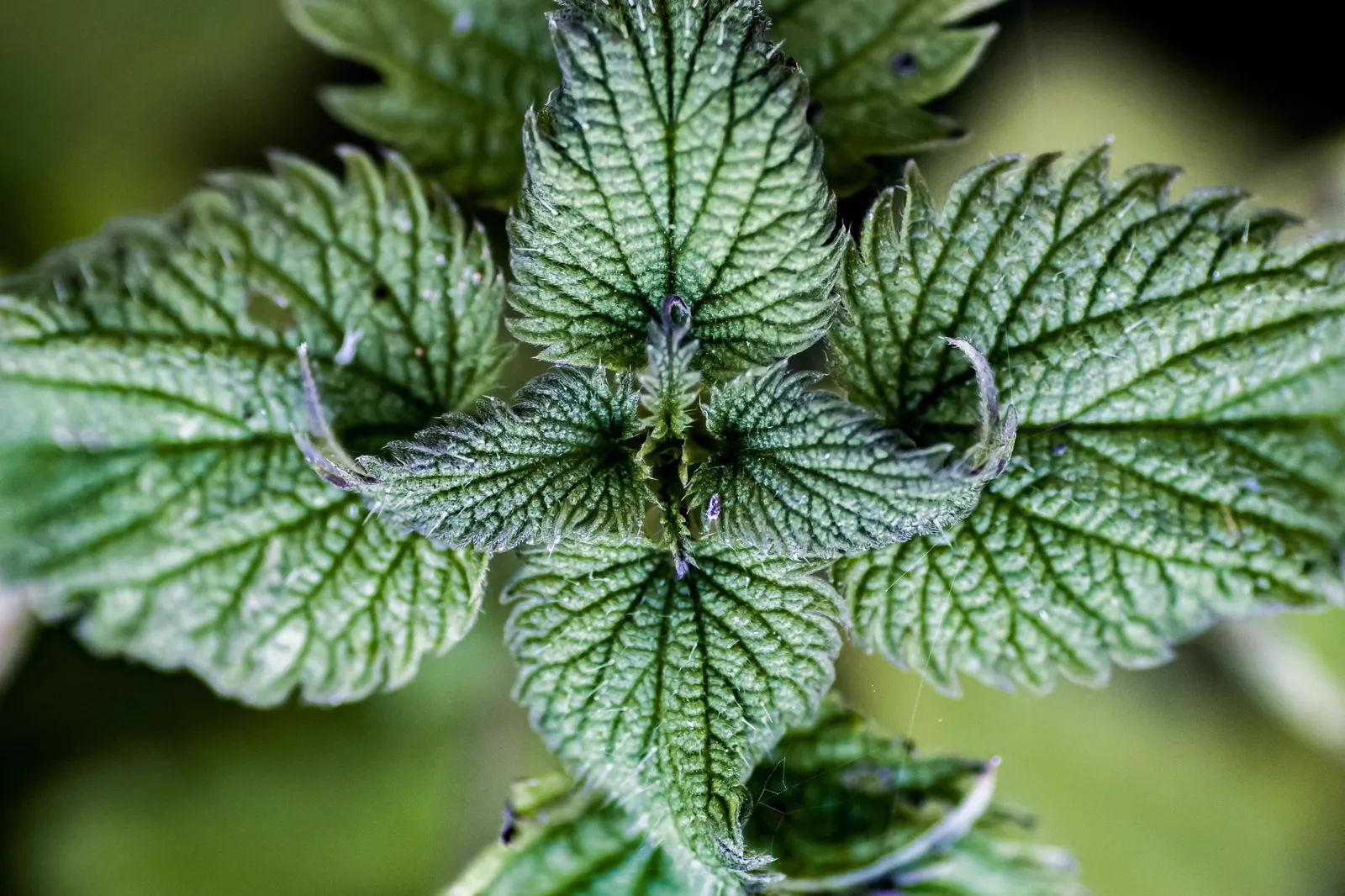
Five Plant Fertilizers You Can Make Yourself
Cheap, sustainable, natural, fun!
Do you get a bit fed up with all that comes pre-packaged and ready-made? Well, why not start a little DIY when it comes to your green little friends. Because some of the best things for our plants are already around us.
Here are a few simple recipes for natural and homemade plant fertilizer you can make at home. For both outdoor and indoor plants. Your healthy plants and your wallet will thank you!
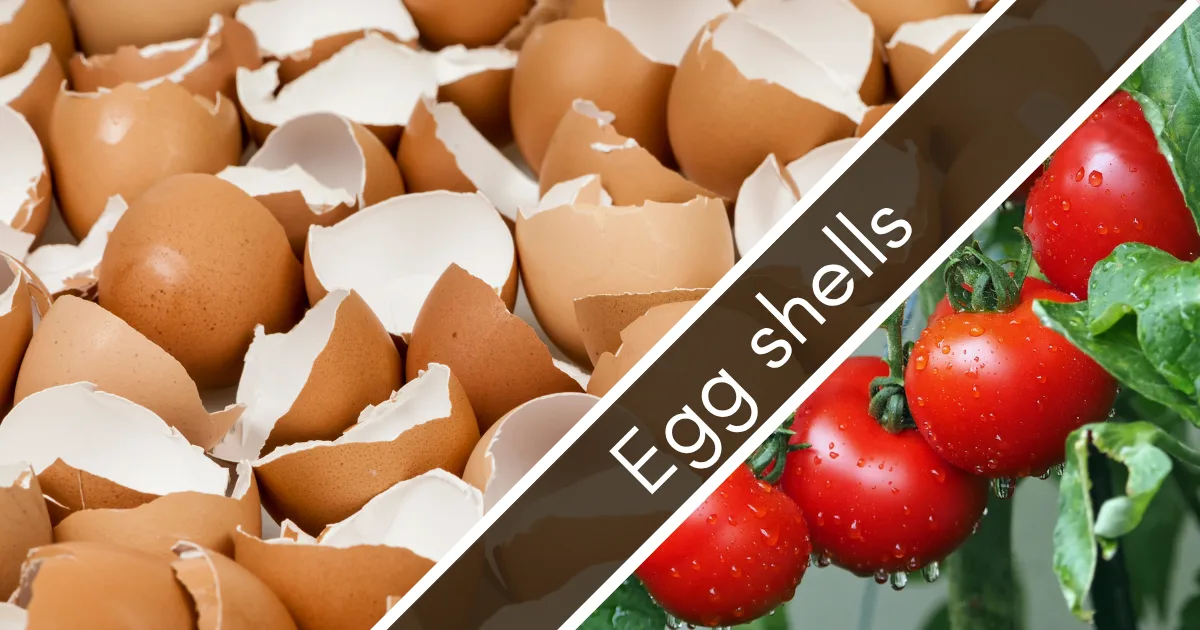
Eggshells
Extra Calcium
Eggshells contain loads of calcium, an important nutrient for several vegetable plants.
Rinse (or not) and dry the shells. Crush them into pieces (kids love doing this part) and mix them into the soil around your plants.
The finer the shells are crushed, the easier it is for the nutrients to become available in the soil. Or just be a lazy gardener and give them a good squeeze before you throw them around. Also, snails don’t like the sharp edges. An enemy of my enemy is my friend, as they say.
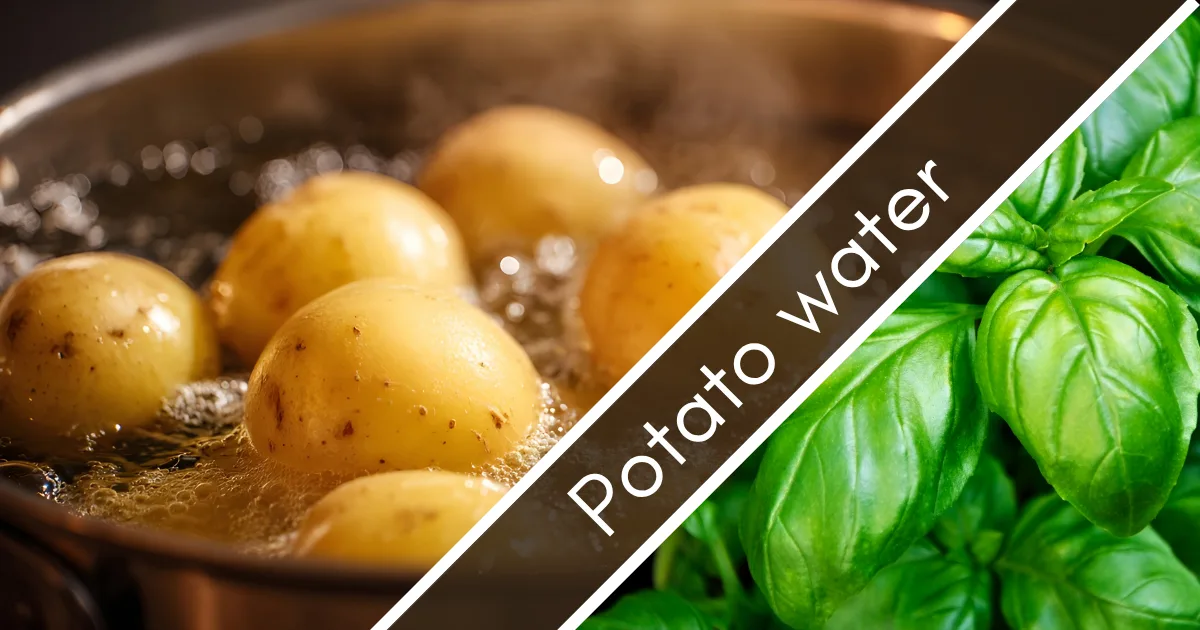
Potato Water
A Simple Nutrient Boost
The water left after boiling potatoes contains minerals that plants can benefit from. Just let the water cool completely before using it, and make sure it contains no salt. Very important. This is for people who boil their potatoes in water only, no salt, butter or seasoning.
In short, a simple way to reuse something that would otherwise be poured away. It’s not a full fertilizer, but a mild and gentle feeding. This is a winner for the whole party, so to speak.
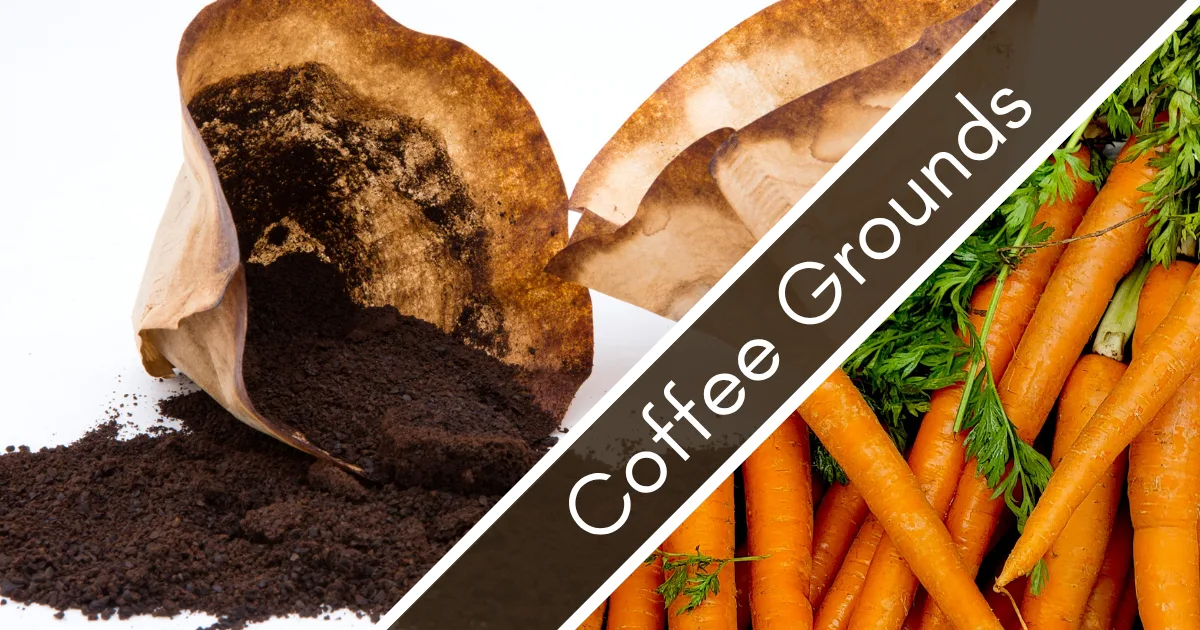
Coffee Grounds
Healthier Soil
Used coffee grounds equals brown gold! It can help improve soil structure and add organic matter to the soil. Also, great to have in the compost.
Allow the coffee grounds to dry before use. Then mix small amounts into the soil. It is important not to overdo it, though. Loads and loads of coffee ground can make soil dense and compact.
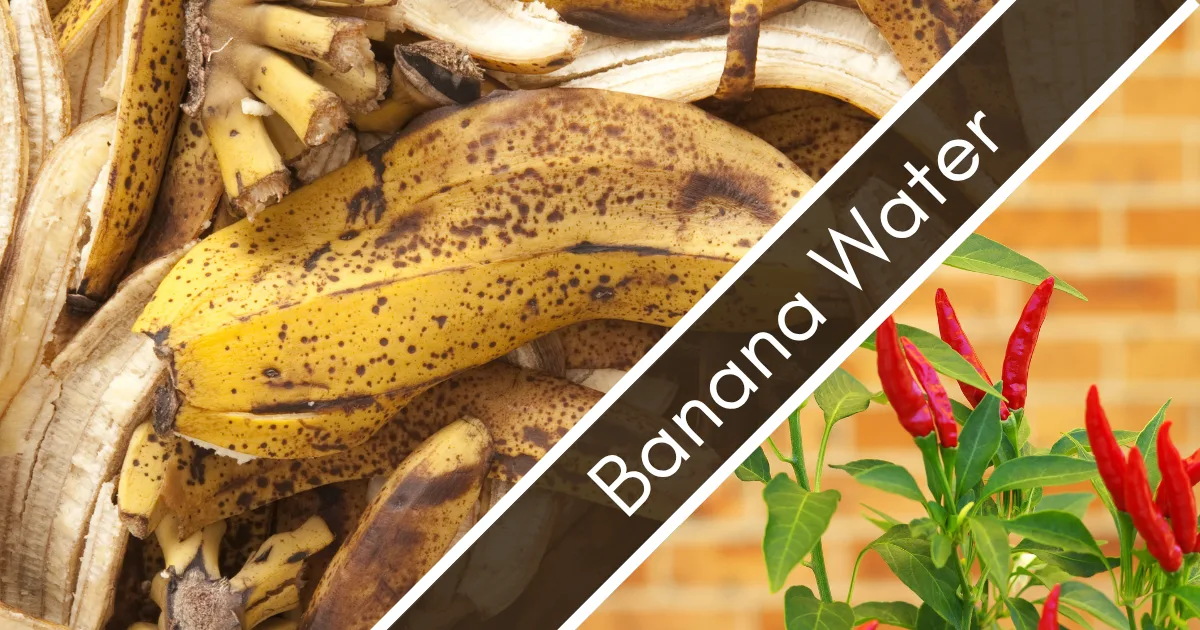
Banana Water
Flowering Plants
Banana peels contain nutrients such as potassium and phosphorus, which many flowering plants benefit from.
Place one or two banana peels in a container of water and leave it for one to two days. Use the water to nourish your plants. Voila!
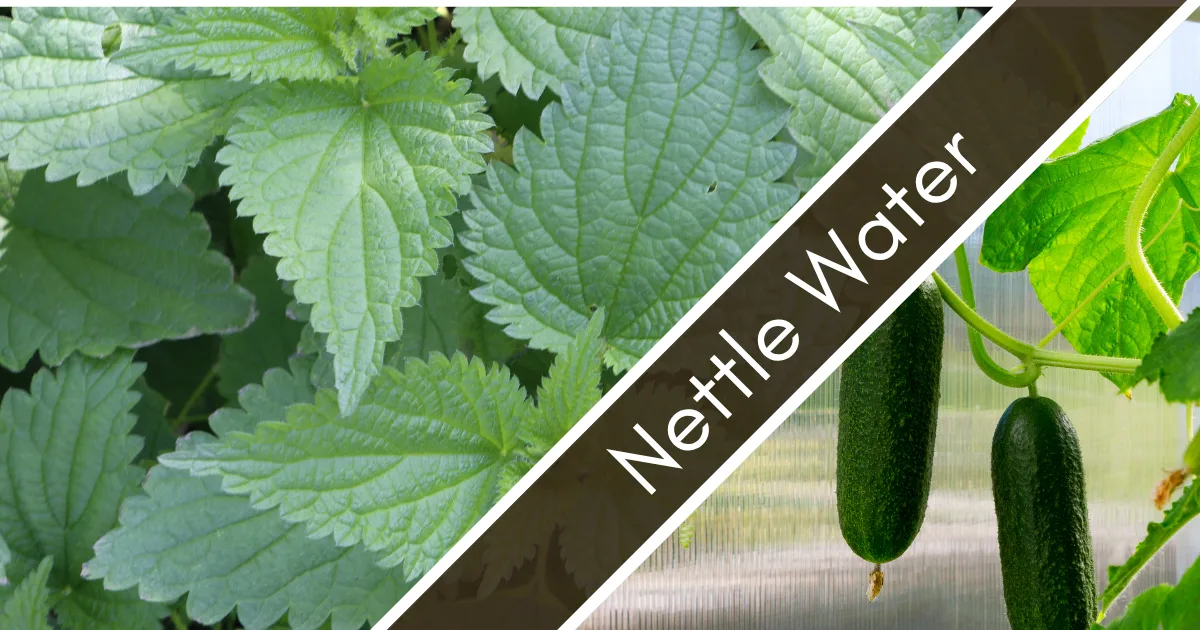
Nettle Fertilizer
A Smelly (!) but Super Nutrition Bomb
Nettles have long been used as a natural fertilizer in gardens. This one stinks, but boy does it work.
This is how you do it. Fill a bucket with nettles and water, then leave the mixture to steep for a couple of weeks. Strain the liquid and dilute the nettle water before use (roughly 1 part nettle water to 10 parts water). Nettle water is really potent, so a little goes a long way.
The smell can be quite strong, so this method is usually best suited for outdoor spaces.
Nettle water is especially good for plants that need a lot of nitrogen and are actively growing. It encourages leafy growth and can strengthen plants during the growing season.
Too much nitrogen late in the season can encourage leaves instead of flowers or fruit.
From kitchen scraps to a bucket of nettles, the best feeding is the one already at hand. Explore more from the garden.
More gardening articles →