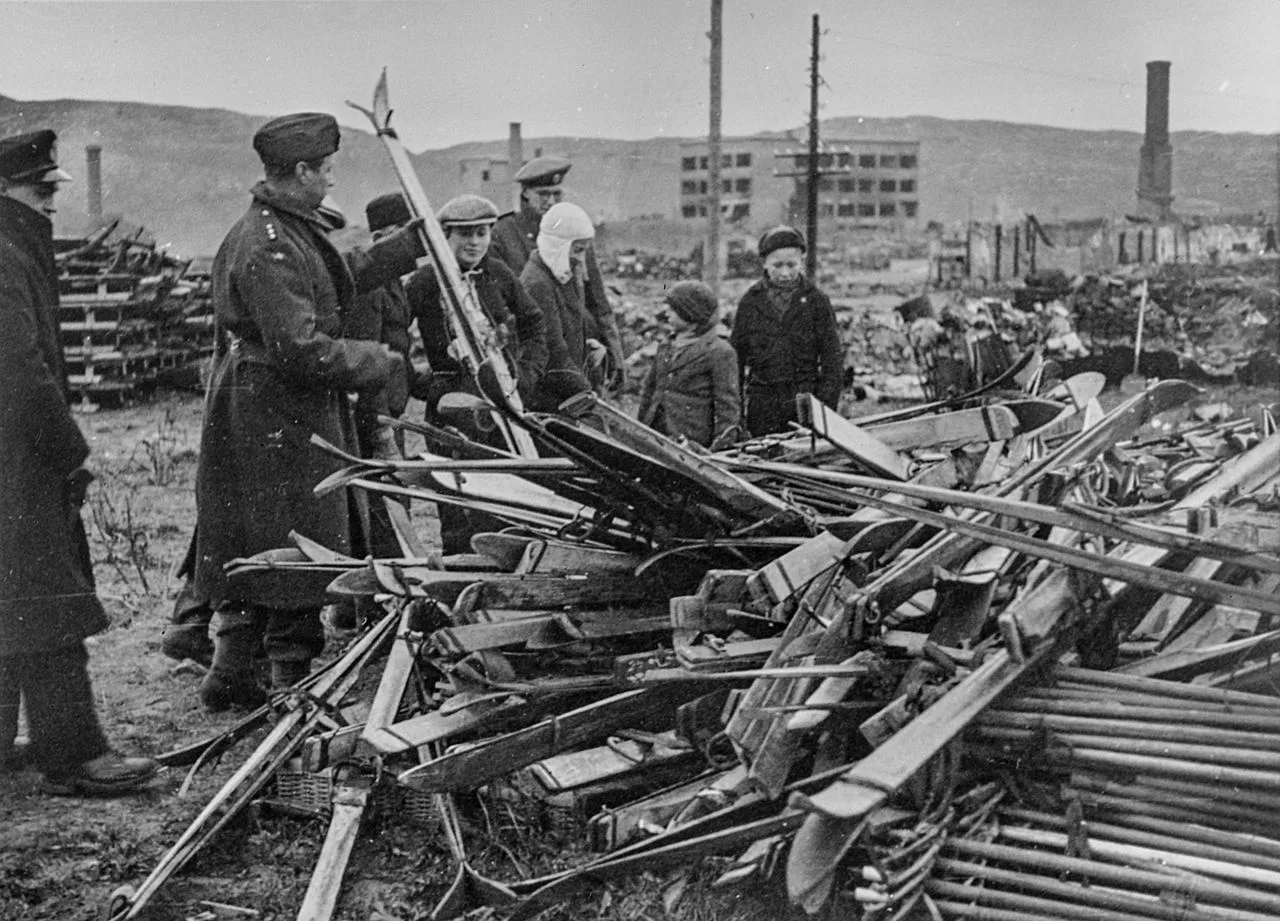
In the autumn of 1944, as German forces retreated westward before the advancing Red Army, Hitler ordered the complete destruction of Finnmark. What followed was one of the most devastating scorched-earth campaigns in Scandinavian history. German fire patrols moved methodically through the Arctic landscape, setting ablaze everything that could provide shelter or sustenance: 11,000 houses, 4,700 barns, 27 churches, 21 hospitals, and over 300 fishing boats. By the time the last flames died out, roughly 75,000 people had been forcibly evacuated southward — many at gunpoint, in the bitter cold of an Arctic winter.
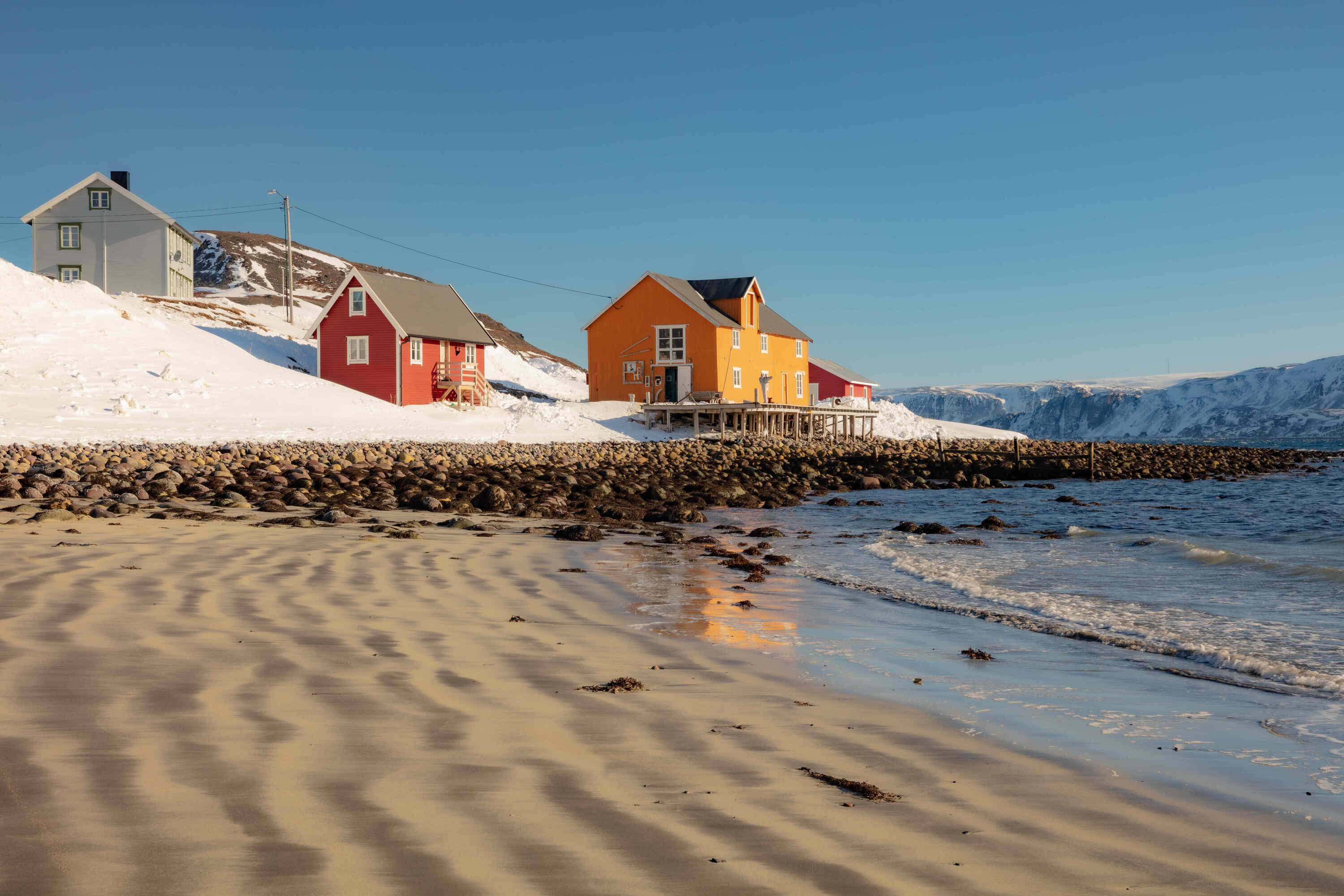
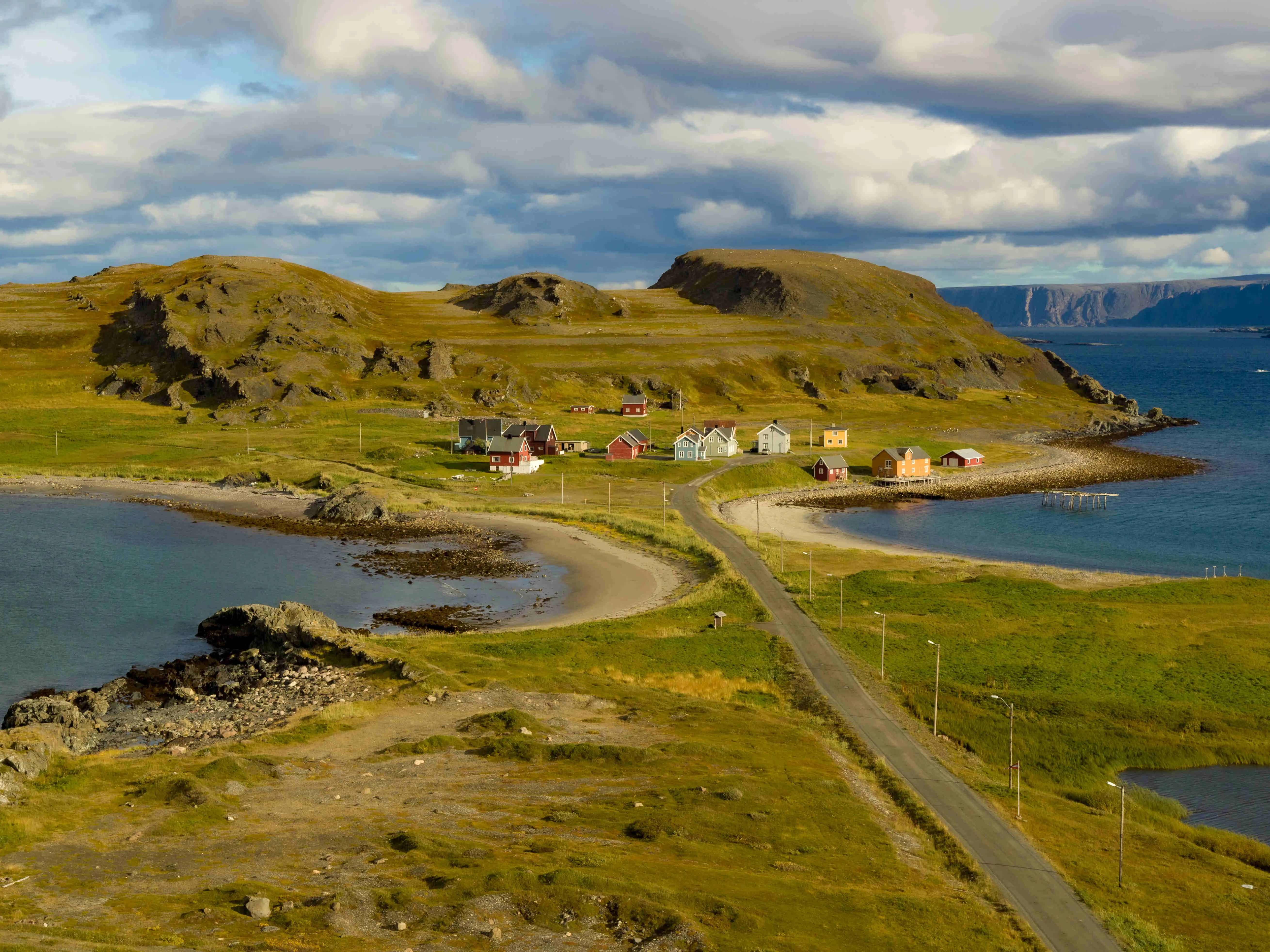
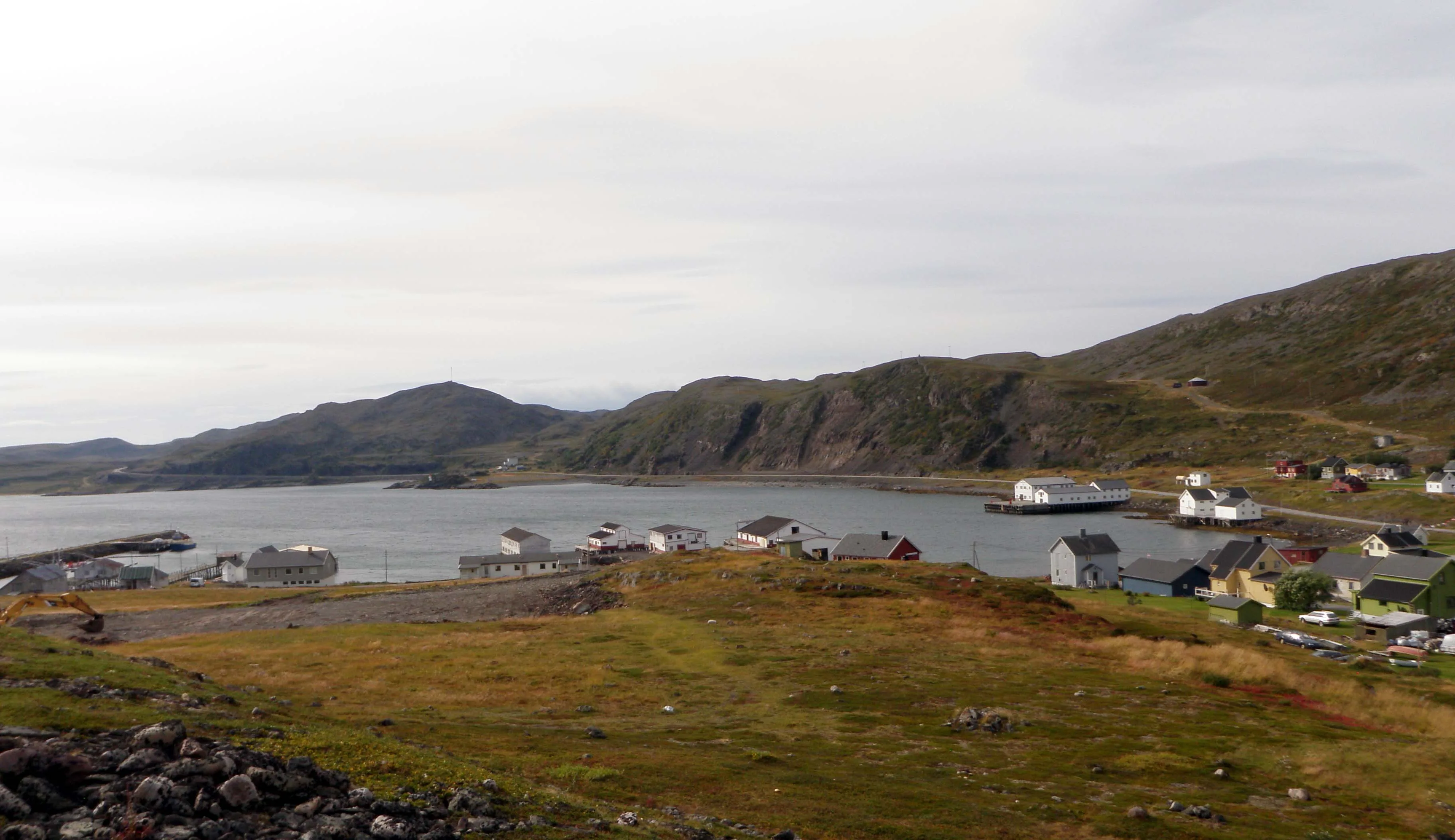
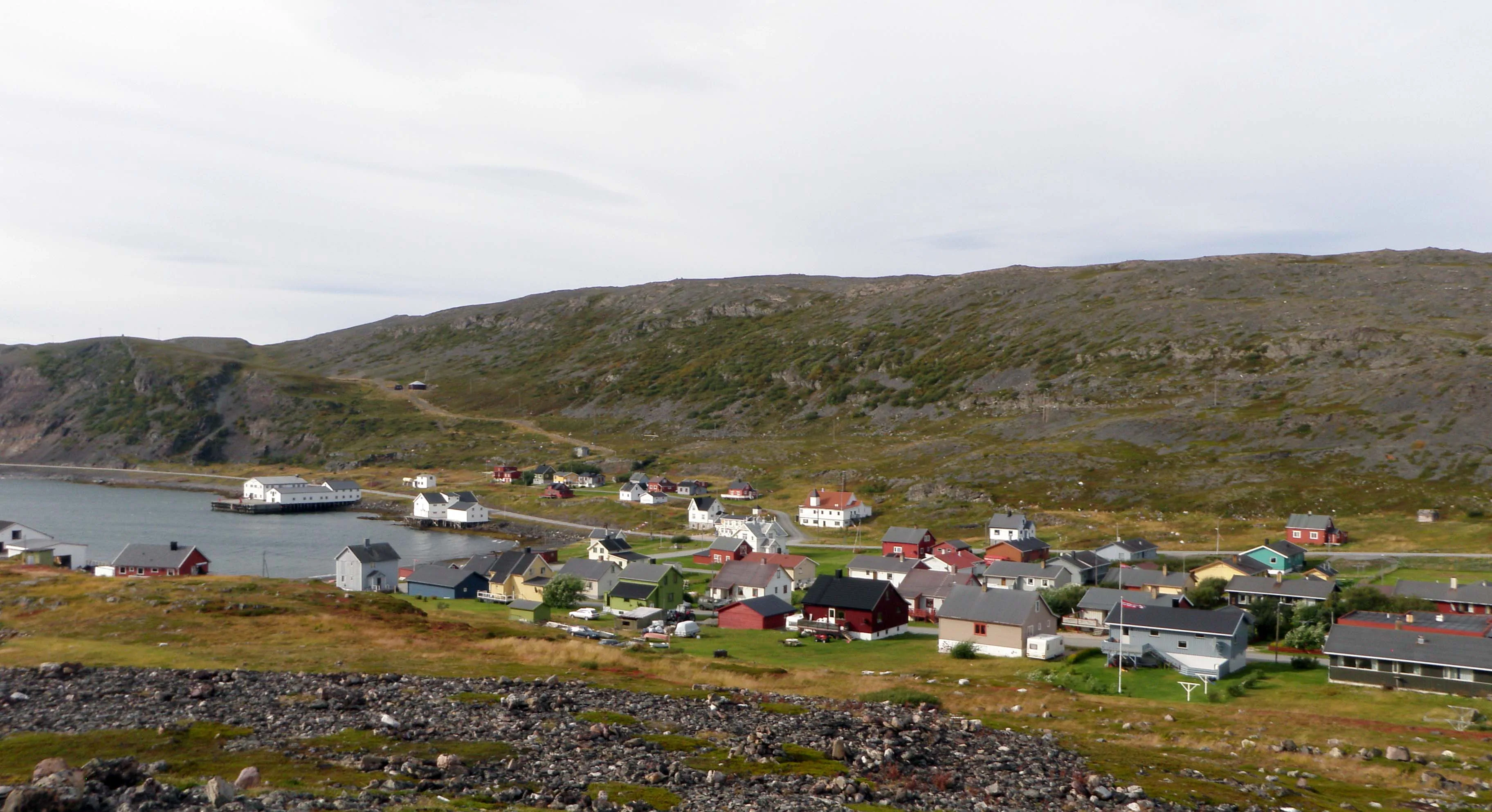
Kongsfjord escaped this fate by a matter of days. When German troops destroyed the Tana bridge on 6 November 1944, they severed their only land route eastward — and with it, their ability to continue the burning. Everything east of that bridge, including Kongsfjord, was suddenly beyond reach. While Hammerfest, Vardø, and countless other communities were reduced to ash and rubble, this small fishing village emerged untouched — one of the westernmost settlements in Finnmark to survive the war intact.
Today, the pre-war houses that line Kongsfjord’s harbour stand as silent witnesses to a moment when geography and timing aligned to preserve what elsewhere was lost forever. Walking through the village is like stepping into a past that most of Finnmark can only remember through photographs and museum exhibits.