Why we moved to Rendalen
A German family bought an old farmhouse outside Otnes in October 2023 and stayed. Here is what they got right, what they got wrong, and what they would tell another family weighing the same move.
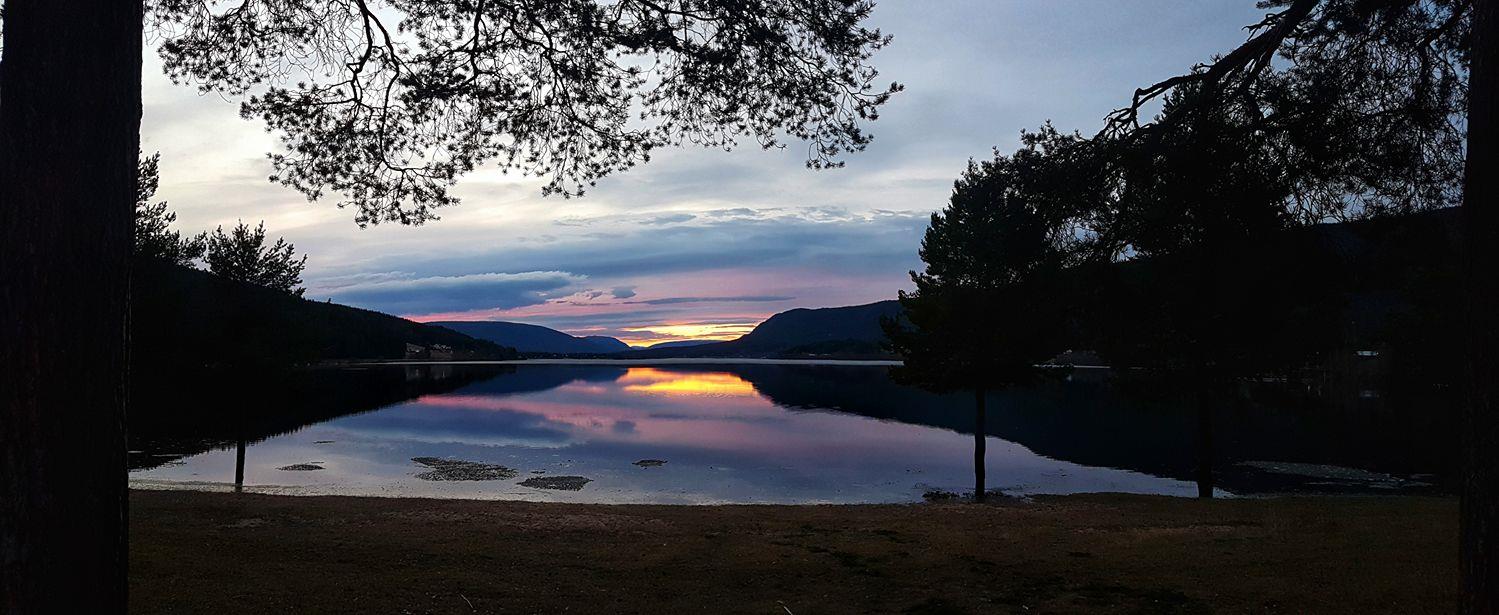
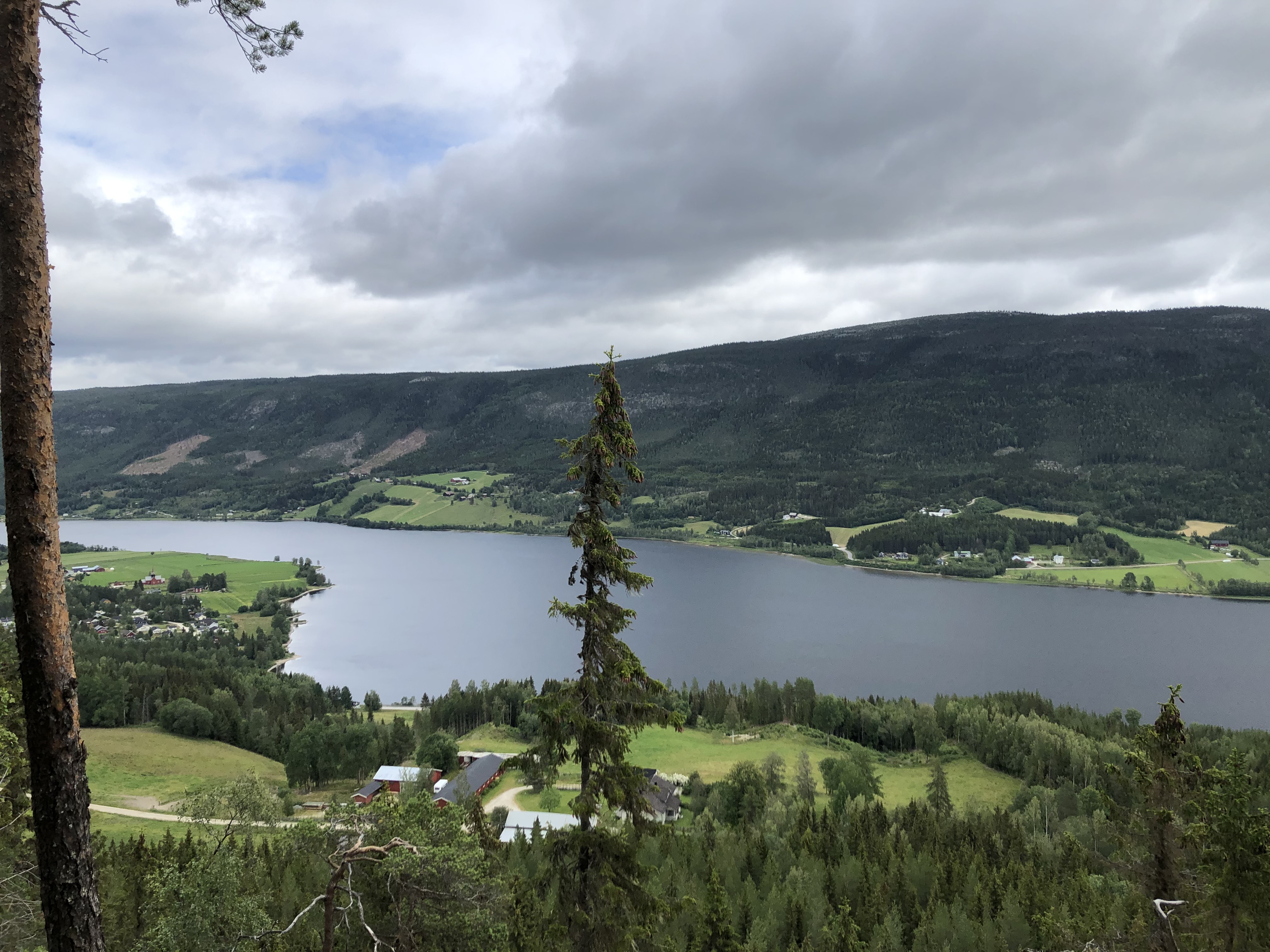
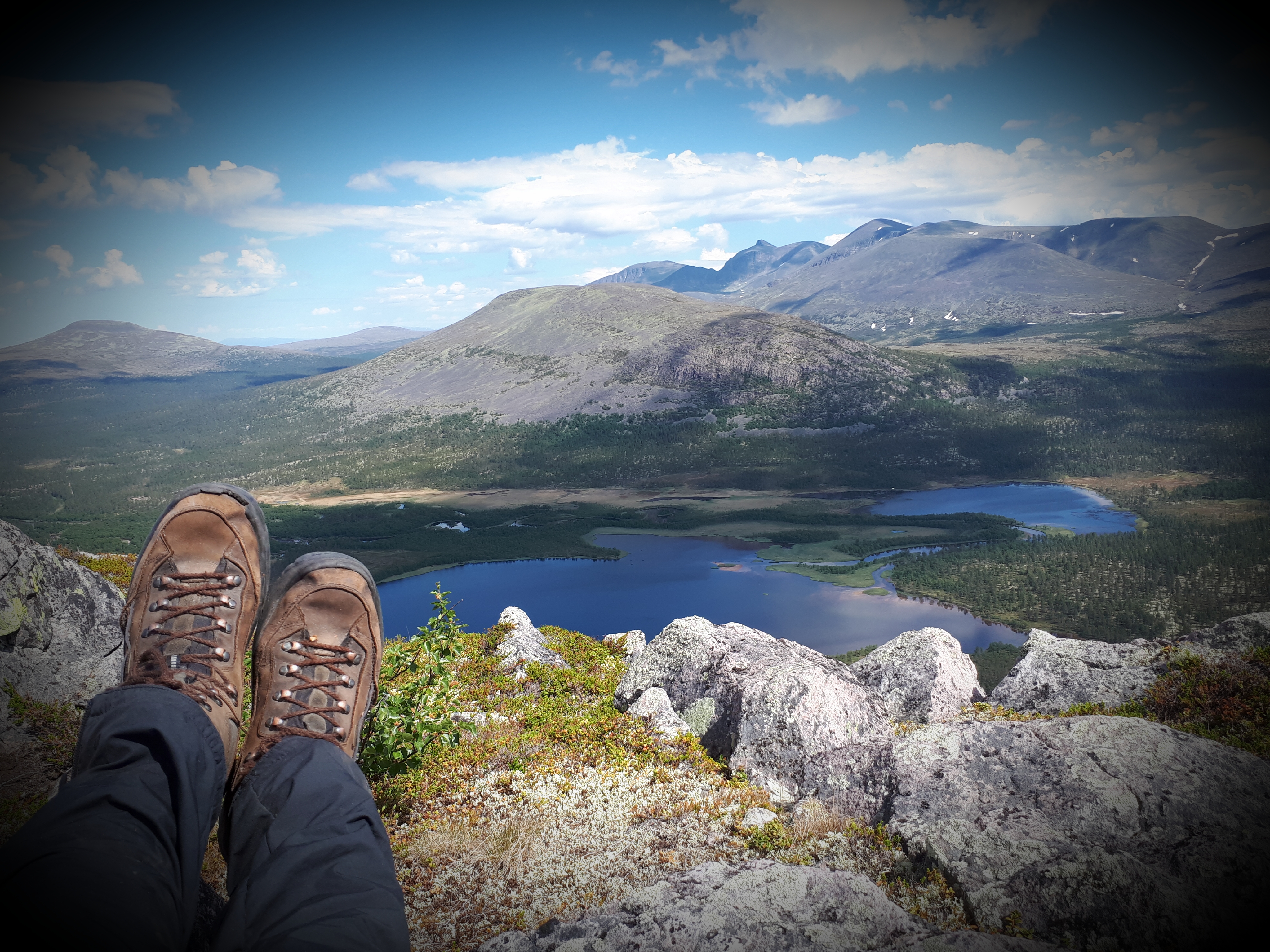
Lukas Brückner is on a wooden bench outside the kitchen door with his second coffee, looking down at Lomnessøen. The lake is half-thawed and half-mirror. Sophie is on a video call with her old firm in Cologne, in what was the barn until last summer. Marlene, who is four, is on the gravel with a stick and the sleeping cat. It is a Tuesday in May. They have been here two and a half years.
How we landed on Rendalen
It was not a romantic decision. Lukas and Sophie spent the better part of a year on a shared spreadsheet. The first tab was countries: Portugal ruled out for visa friction outside the EU and summer heat; Sweden short-listed; Denmark too flat for Lukas, who grew up climbing in the Eifel; rural France too far from Sophie’s parents in Bonn. By March 2023 the spreadsheet had narrowed to Norway and Sweden. By June, it was three Norwegian municipalities. By August they had visited two of them.
Rendalen made the list because Lukas’s company — a German telecom — had quietly switched to remote-first in 2022 and the only requirement they kept was four overlapping working hours with Munich. Sophie was on parental leave with Marlene and was beginning to think she did not want to return to a Cologne studio at all. They wanted a small place with a school, fibre internet, real winters, and an asking price that did not assume a developer would tear the house down.
The house came up on Finn.no in late August. A 1920s log house on a small farm holding north of Otnes, kommunesenter of Rendalen municipality. Sale was an estate sale; the previous owner’s children lived in Oslo and Trondheim and did not want it. The price was low enough that Sophie said it out loud twice. They flew up the second weekend in September, walked through it, made an offer the following Tuesday.
The house and the first October
They closed on the house on October 6, 2023, and drove up from Cologne in two cars with Marlene asleep in the back of one and a roof box of winter clothing on top of the other. Sophie says she remembers the last hundred kilometres on Rv3 as the moment she realised how few cars there were. The road just kept being empty.
The house had electricity, a working wood stove, a kitchen from 1987 that they kept for the first winter, and a roof that needed three new courses of slate. The barn behind it was sound but unused. The bathroom needed a full redo. There was no internet. The fibre cooperative had a line on the road but had not run it the last forty metres to the house.
The fibre took six weeks. So did the residence registration with the police in Tynset, which Lukas had assumed could be done online and could not. They drove the eighty kilometres twice because they brought the wrong document the first time. Sophie says October was when she had her first doubts. Marlene caught a cold that lasted three weeks. The wood Lukas had ordered was delivered ten days late. They ate a lot of frozen pizza from the Coop in Otnes.
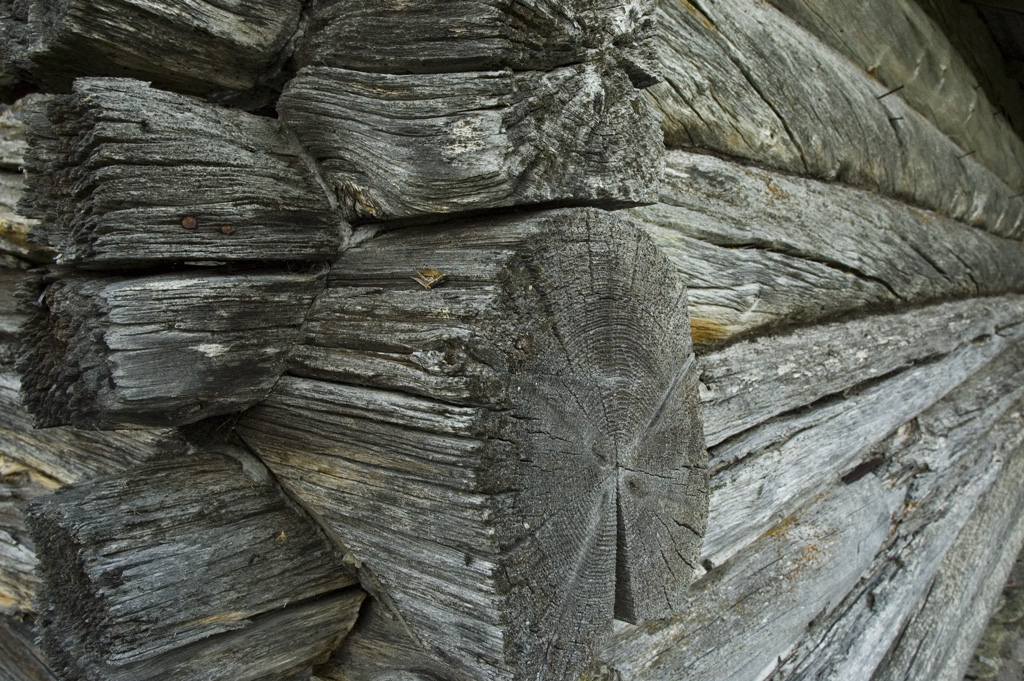
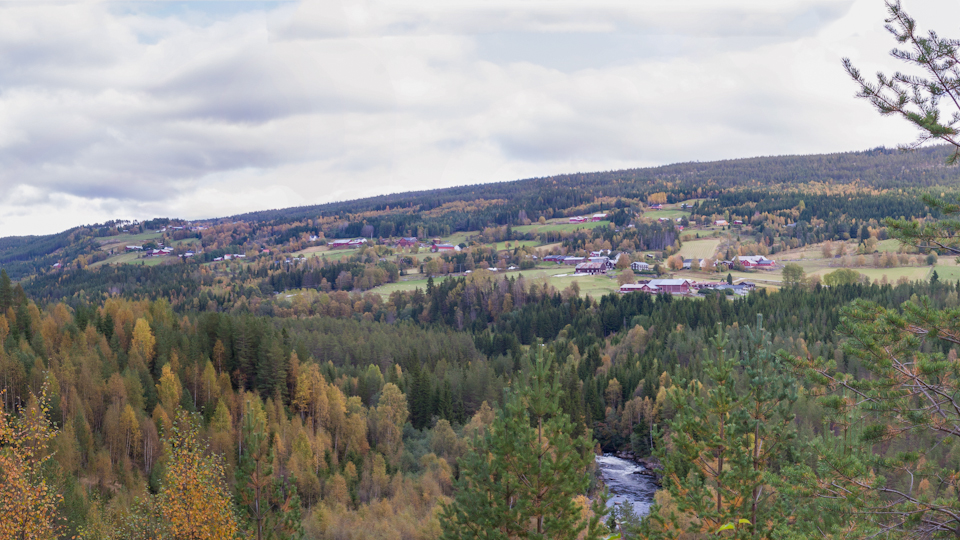
The house has the standard small-farm layout of upper Østerdalen: log walls, low ceilings, one large room on the ground floor that doubled as a kitchen and living space, and two small bedrooms upstairs. The Brückners kept the layout. They moved the bathroom, redid the wiring, kept the original windows where they could.
Sophie did most of the planning herself. It is the first time she has worked on a building older than she is by sixty years. She says she has learned more about wood as a material in two winters than in seven years at a Cologne firm.
What worked: Marlene
Marlene started at Otnes barnehage on 30 October 2023, three weeks after the family arrived. She was two. She had no Norwegian. She had no German classmates either. The barnehage staff — six teachers between twenty-six and fifty-three years old — spoke to her in Norwegian and used pictures when needed. The other children copied her name and then copied the things she said in German, in the way two-year-olds do.
By Christmas she was using single Norwegian words at home. By Easter she was switching languages mid-sentence depending on who was in the room. By her third birthday she was correcting her parents’ pronunciation. She is in her second year at the barnehage now and her Norwegian is, in Lukas’s phrasing, «already past mine and accelerating.»
The barnehage has thirty-eight children across three age groups. It costs the Brückners about NOK 2,500 per month with the lunch box included, which is roughly a third of what the comparable Cologne kita had been. Marlene is picked up at four. Lukas walks down to fetch her. The walk takes eleven minutes.
What’s harder: Sophie
Sophie is the one to ask if you want the honest version. She trained as an architect at RWTH Aachen, worked seven years at a Cologne firm doing mostly civic projects — libraries, a small museum extension, a school renovation. She was on track to be a project lead within eighteen months. She left that on a Friday in late September 2023 and has not been back in an office since.
For the first year she did one day a week of freelance for her old firm, working remotely on detail drawings. The work was solid but unrelated to the city she had moved into. In year two she stopped that. She has been spending a portion of every week learning Norwegian, sitting the A2 exam in October 2025 (passed) and intending to sit B1 this autumn. She has begun taking on small renovation projects locally — an outbuilding for a farm near Hanestad, a courtyard restoration for a neighbour — paid hourly, no formal practice yet.
She is candid about what this has cost. «I had a decade of momentum,» she says. «You don’t bring momentum with you. You start the meter at zero. What you bring is the training, and the training is portable. The network isn’t.»
The barn behind the house is now Sophie’s. They cleaned it out the first summer. She insulated one corner properly, ran power, put in a long workbench made from a salvaged spruce beam. It is half drawing studio, half woodwork bench.
She says she did not expect the project to be the building she lives in. She also says it is the most interesting commission she has had.
Lukas’s working day
Lukas’s day starts at 8:15 with the Munich engineering stand-up. He has been on his current team since 2019. Five of the twelve people on it have never met him in person; he flies to Munich twice a year for the all-hands and they shake his hand each time as though they have. The work is core network — the bits of the telecom infrastructure that the customer never sees. Twelve-hundred-page documentation. Long days when something breaks. Quiet days when nothing does.
The setup, viewed from a Cologne perspective, is straight-line boring. A standing desk in the upstairs bedroom they did not convert. A second monitor angled toward the window because the window is worth keeping in view. Fibre that runs at one gigabit symmetric. A standing daily meeting at 09:00 and a wrap at 17:00 and not much else interrupting either end.
What changed for him, he says, is what is on either side of the working day. He does not commute. He used to commute fifty-five minutes in each direction on the Stadtbahn in Cologne. Two hours of his day, every day, that are now his. He uses some of them on Marlene and some of them on splitting wood. The wood-splitting is, in his words, «the most efficient anti-stress device a software engineer has ever invented.»
Surprises both ways
The cost question is the one their German friends always ask first. The honest answer is that the headline is true — Norway is more expensive than Germany — and the small print is more interesting.
Two-bedroom flat in Ehrenfeld: €1,720 a month, no parking. Weekly grocery run for three: €110. Kita for Marlene: €420. Annual heating bill rising every year. Mobile data, electricity, transit all reliably increasing. Sophie’s commute by Stadtbahn: forty minutes.
Mortgage on the house: NOK 11,800 a month, fixed five years. Weekly grocery run at the Otnes Coop: about NOK 1,900. Barnehage for Marlene: NOK 2,500. Heating is the wood Lukas splits plus an air-to-air heat pump that runs cheap on hydro power. The car costs more in fuel because they drive more.
What surprised them the most is not in the budget. It is the texture of who they see in a week. In Cologne, Sophie says, they could go a full week and only talk to three people who knew their names. In Otnes the woman who runs the Coop knows their grocery rhythm and asks about Marlene’s cold. The neighbour, an old farmer who keeps half a dozen sheep, brought a casserole the second week and a stack of dry birch the second winter. The barnehage staff stop them on the road. They are seen, in a way they were not seen in a city of a million.
What surprises them in the other direction is mostly seasonal. The first February the cold caught them out — minus thirty for four nights running, the well-house froze, the car battery gave up. They have a better understanding now. The October light loss still has an edge to it. Sophie says she has stopped pretending it does not, and has just started planning around it: a trip to Bonn in November, a guaranteed week of light, then back for Christmas.
You don’t move here for what you saw in a brochure. You move here for what shows up in your week.
— Sophie Brückner, on the kitchen step in May
What we’d tell another German family
We asked Lukas and Sophie what they would put on paper for a German couple in the early reading-and-spreadsheet stage. The list below is theirs, lightly edited.
Practical things, in order of how soon you need to think about them
- Register in person, not online. EU/EEA citizens have free movement, but residence registration with the police has to happen face-to-face at the nearest station. For Rendalen that is Tynset. Bring your passport, your rental or purchase contract, and proof of income or savings. Allow one full day.
- Check the fibre line before you sign. Norwegian rural fibre is excellent where it exists. Where it does not, the gap can be a year. The fibre cooperative in Rendalen is the small one; check the map. If you work remote, do not assume.
- Two cars or one? Plan for two if both adults work outside the home. Plan for one if at least one of you is at home full-time. Public transport in upper Østerdalen is real but thin.
- Start Norwegian before you arrive. The municipality offers a free integration course but it does not begin in October. You will spend three to four months not understanding the post office. Begin with an app and a textbook in Germany.
- Heat the house the way locals do. The wood stove is not nostalgia. The air-to-air heat pump is not a compromise. Both, together, are what works at minus twenty-five.
- Plan a November escape. The light loss in November is real. A planned week somewhere brighter — family in Germany, sun in Spain — is not weakness. It is winter management.
- Do not overpay for property. Rural Norwegian houses are not investment vehicles. They are buildings to live in. The market is patient. Wait for the right one rather than rushing the wrong one.
- Find your three people early. One in the municipality administration, one neighbour, one parent at the school or kindergarten. These are the people who will explain the things no website will.
Two and a half years in
It is late afternoon when we leave. Marlene is on the porch with a colouring book. Sophie is back in the barn for a half hour before dinner. Lukas walks us as far as the road. He says the question they used to get from German friends was «do you regret it,» and the question now is «how do we do it.» He says he does not have a clever answer to the second one. He says the spreadsheet helped. The house helped. The barnehage helped. The neighbour with the sheep helped. None of it was inevitable.
On the way back to Bergset on Rv3 it is light enough that the May evening looks like an afternoon. The Lomnessøen is on the right. There is no one else on the road. The valley does what it does in May, which is hold the light a long time after you would expect it to be gone.