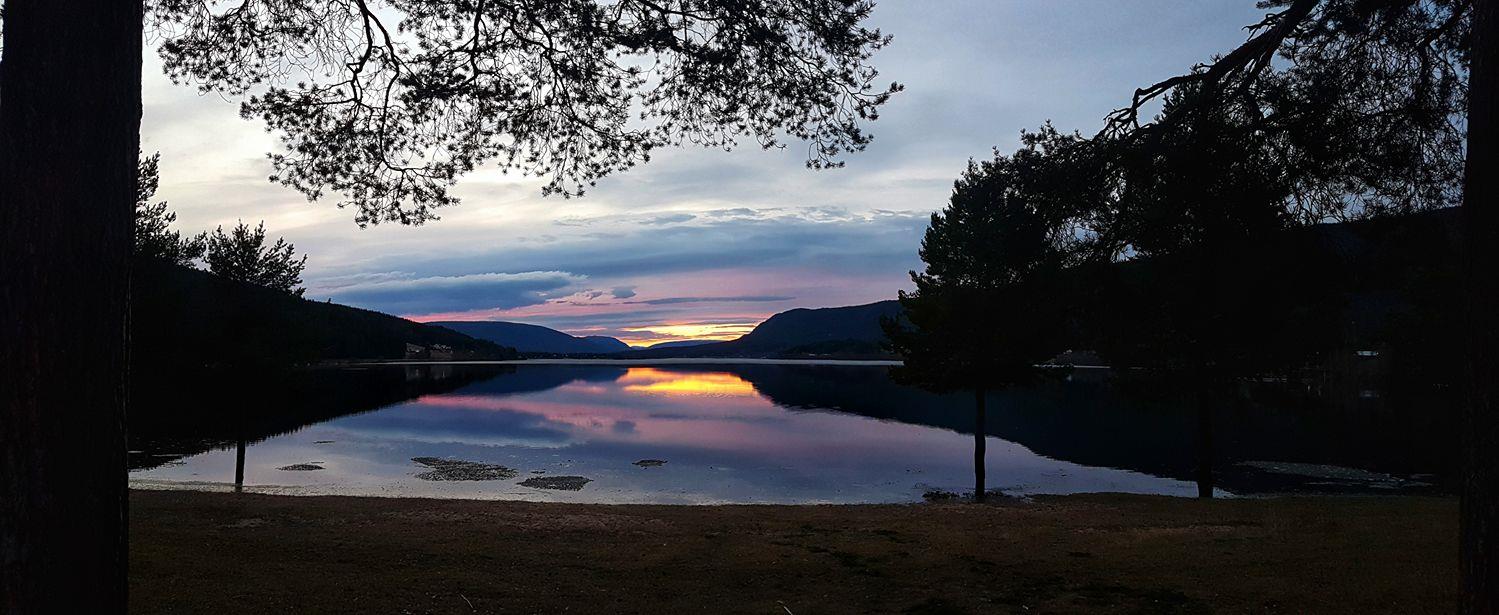
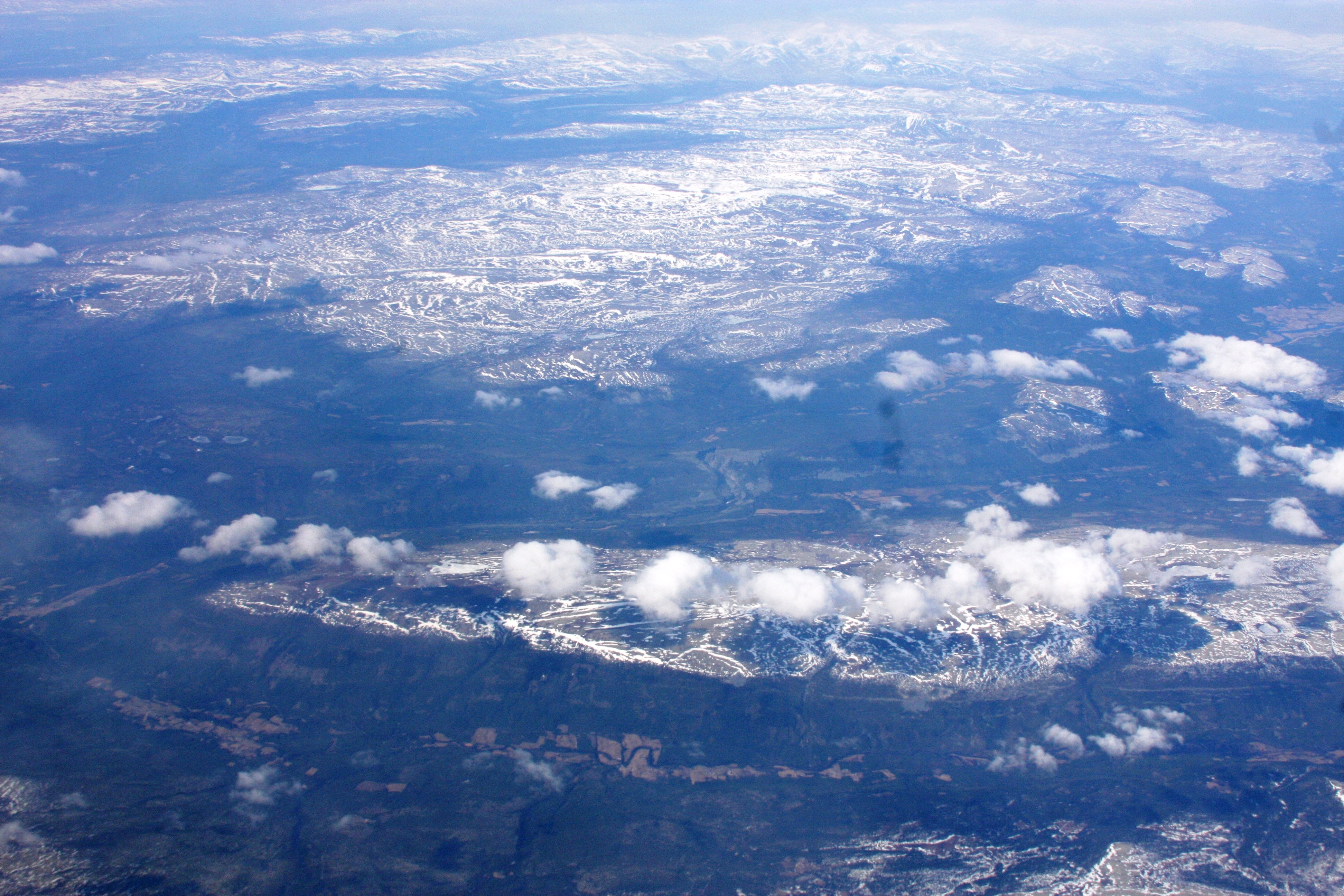
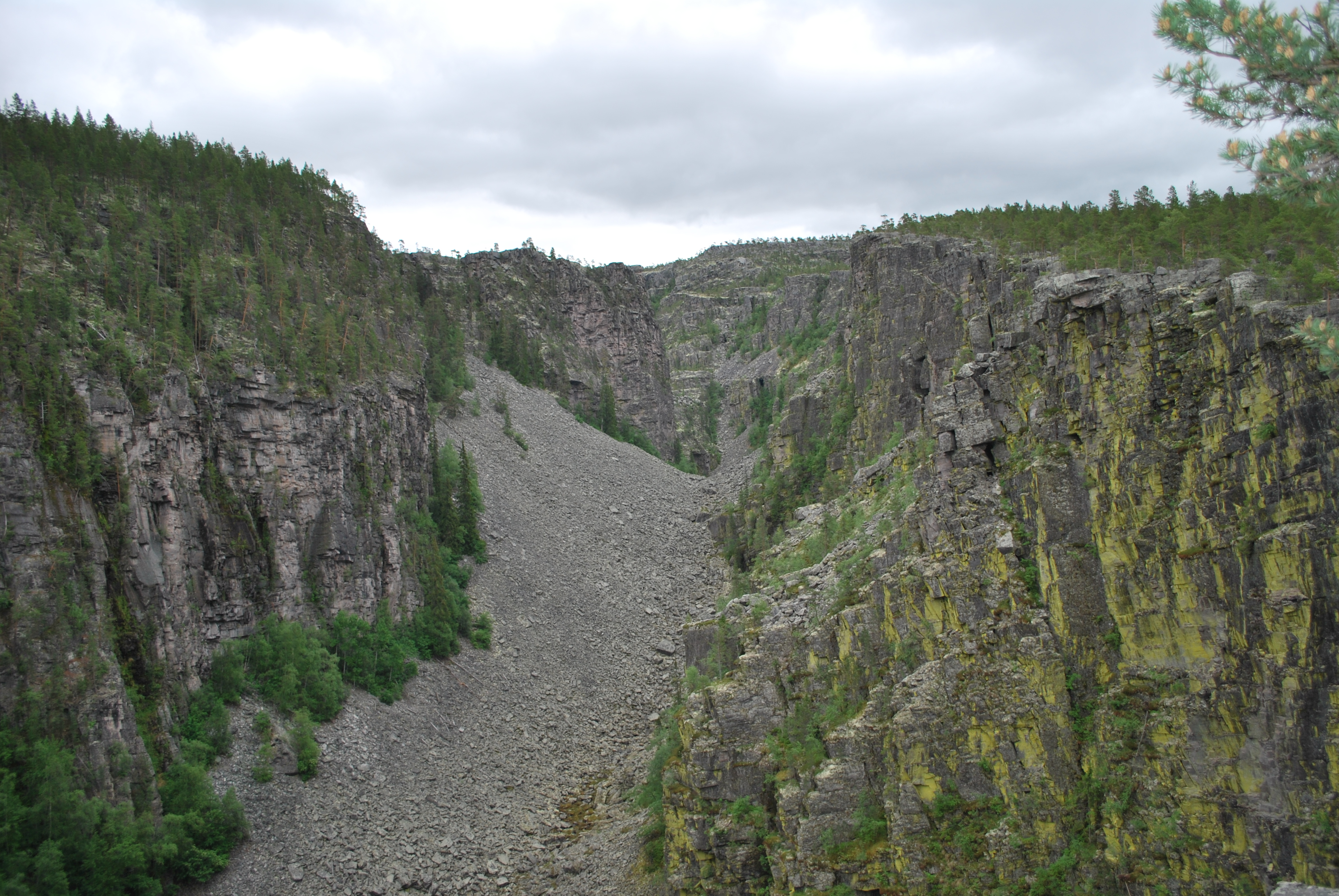
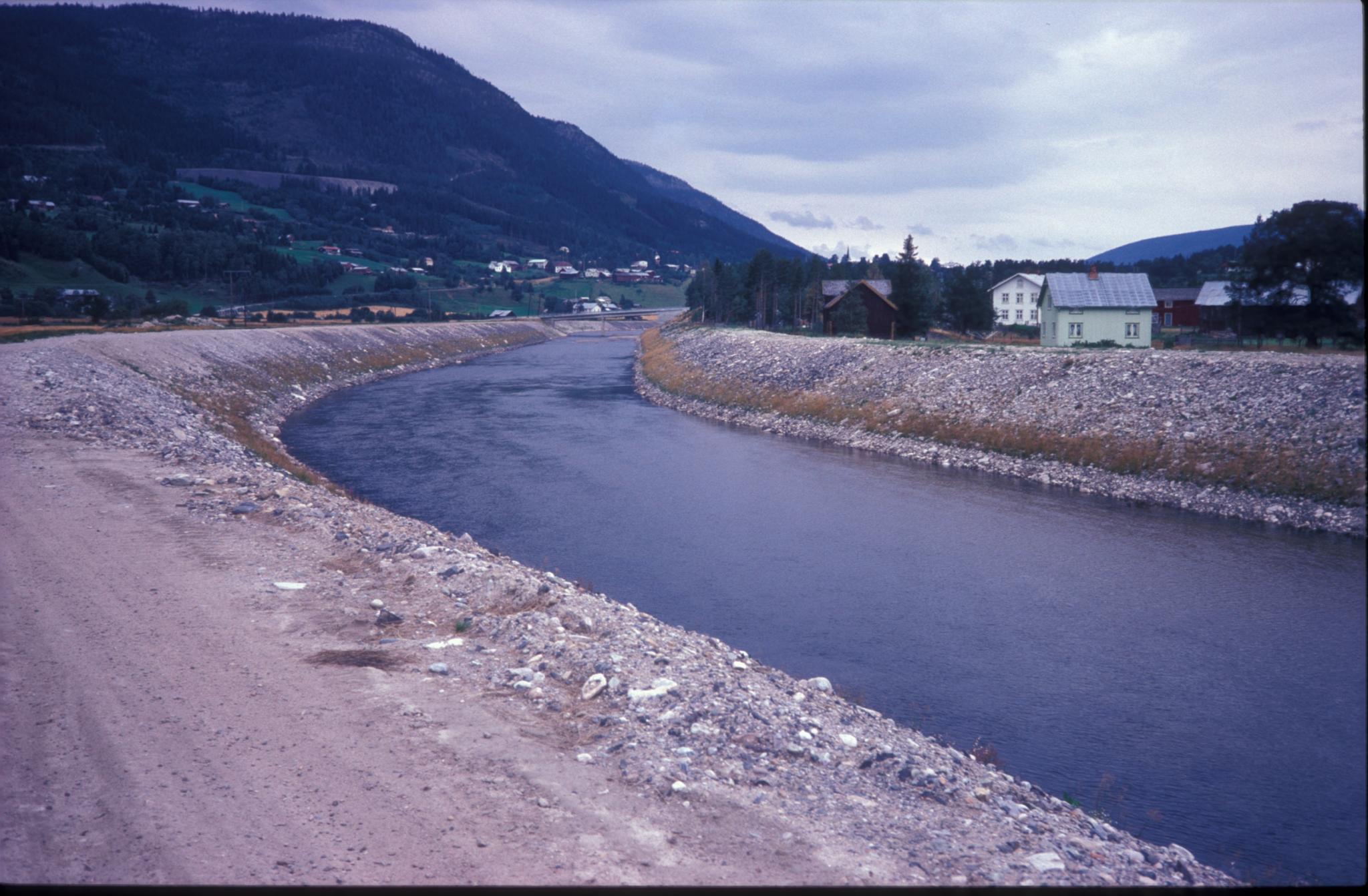
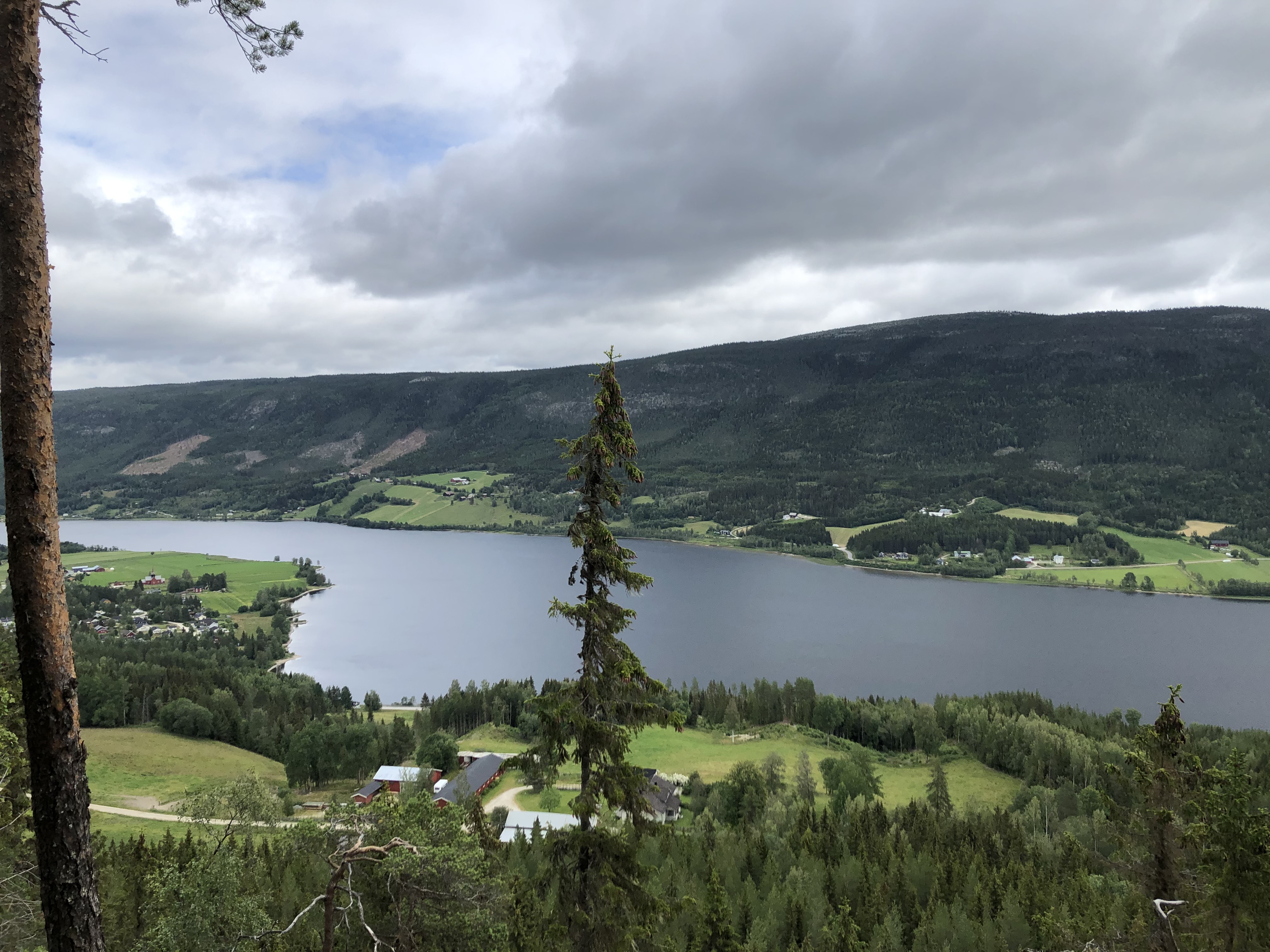
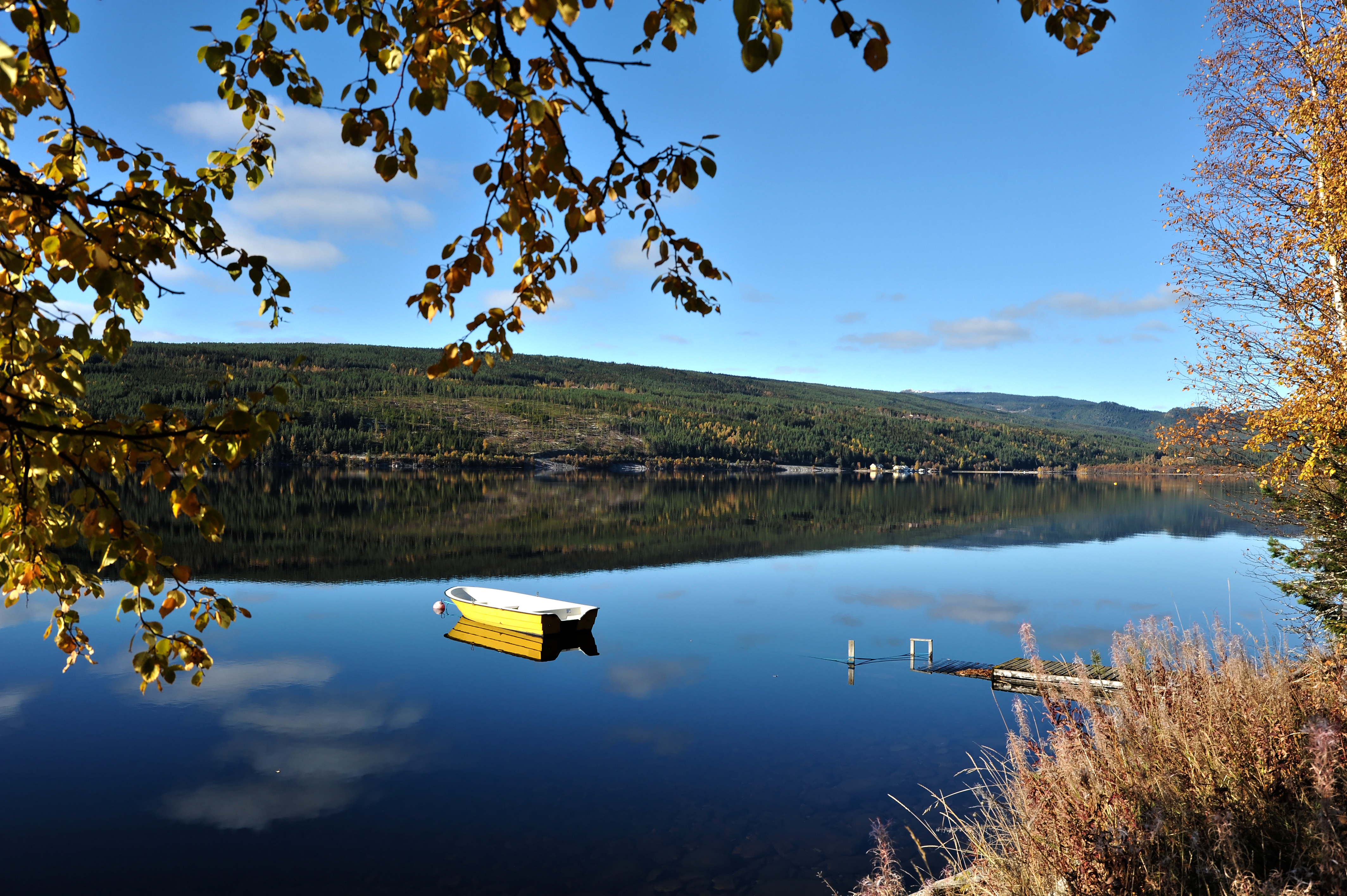
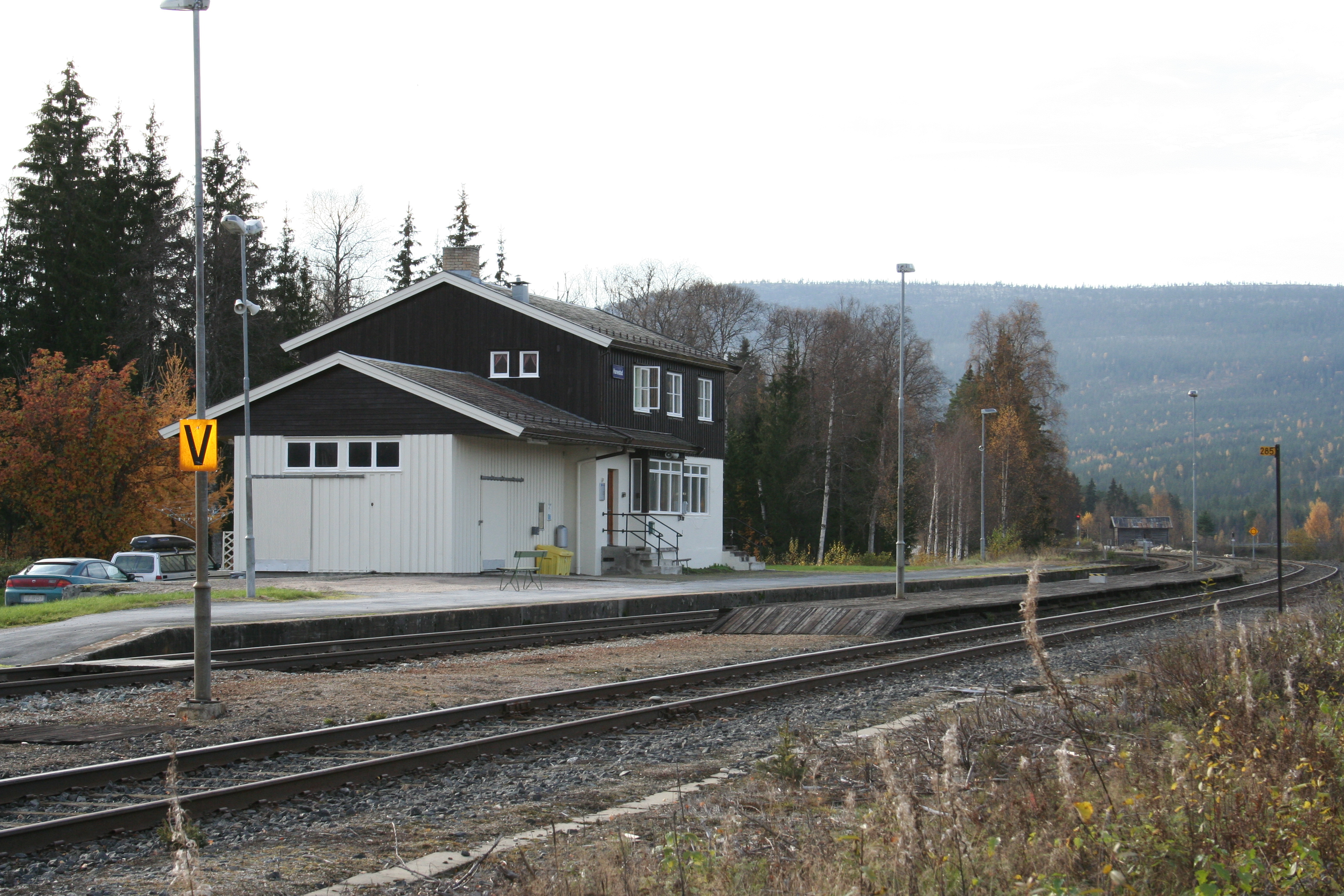
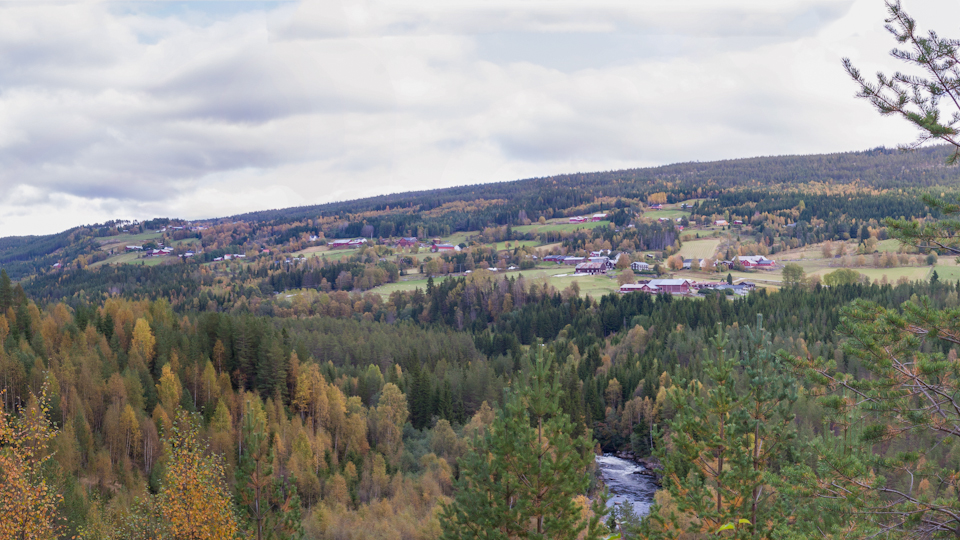
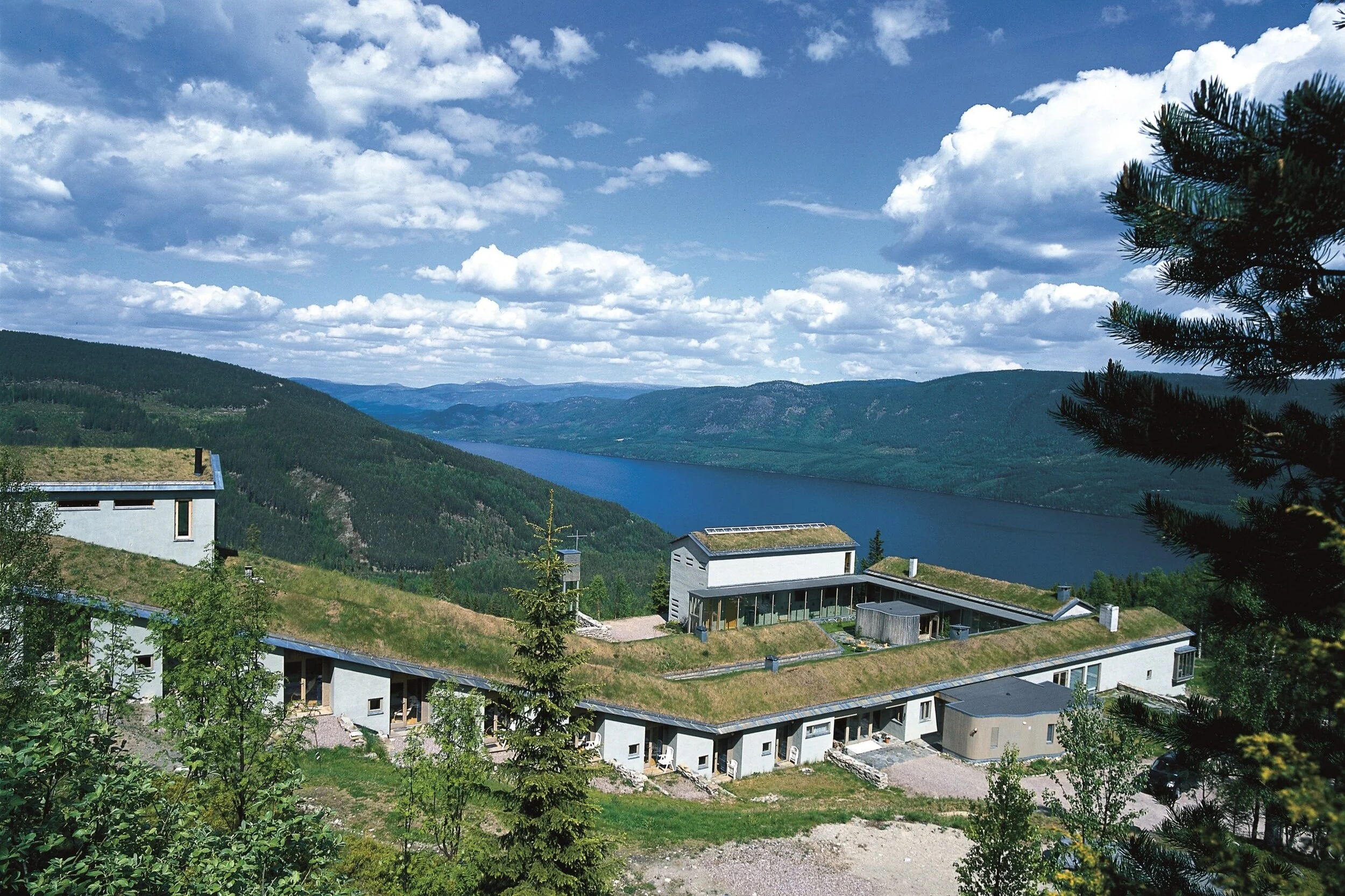
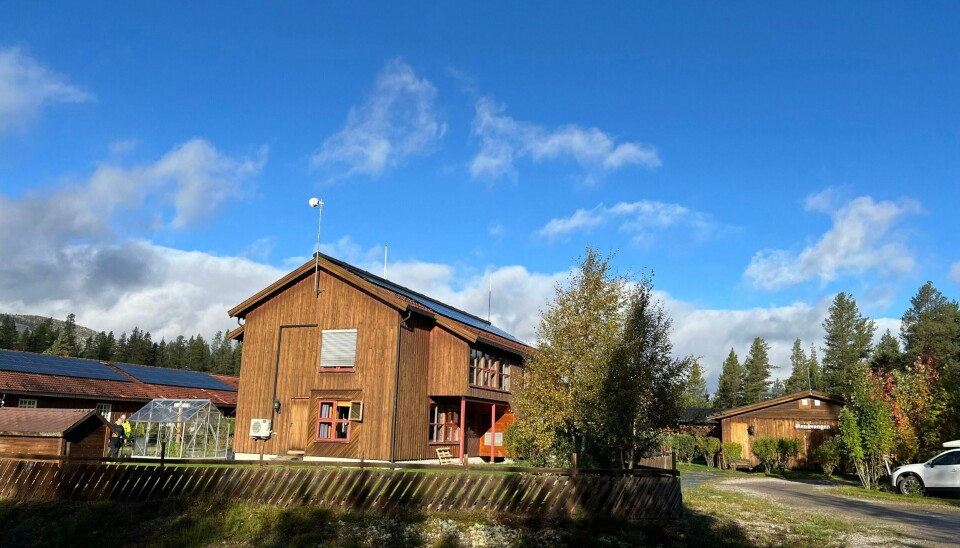
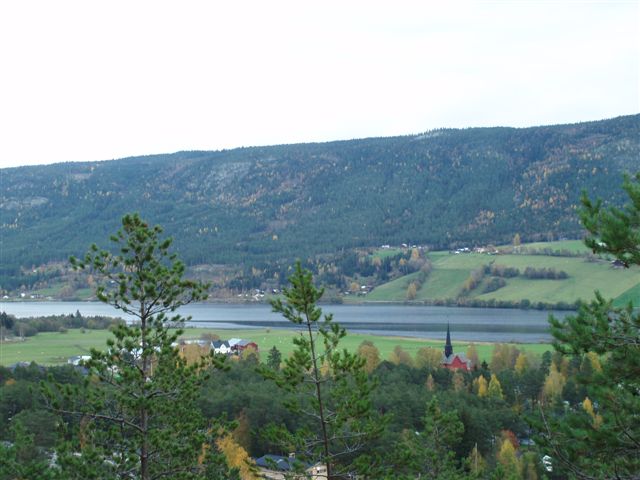
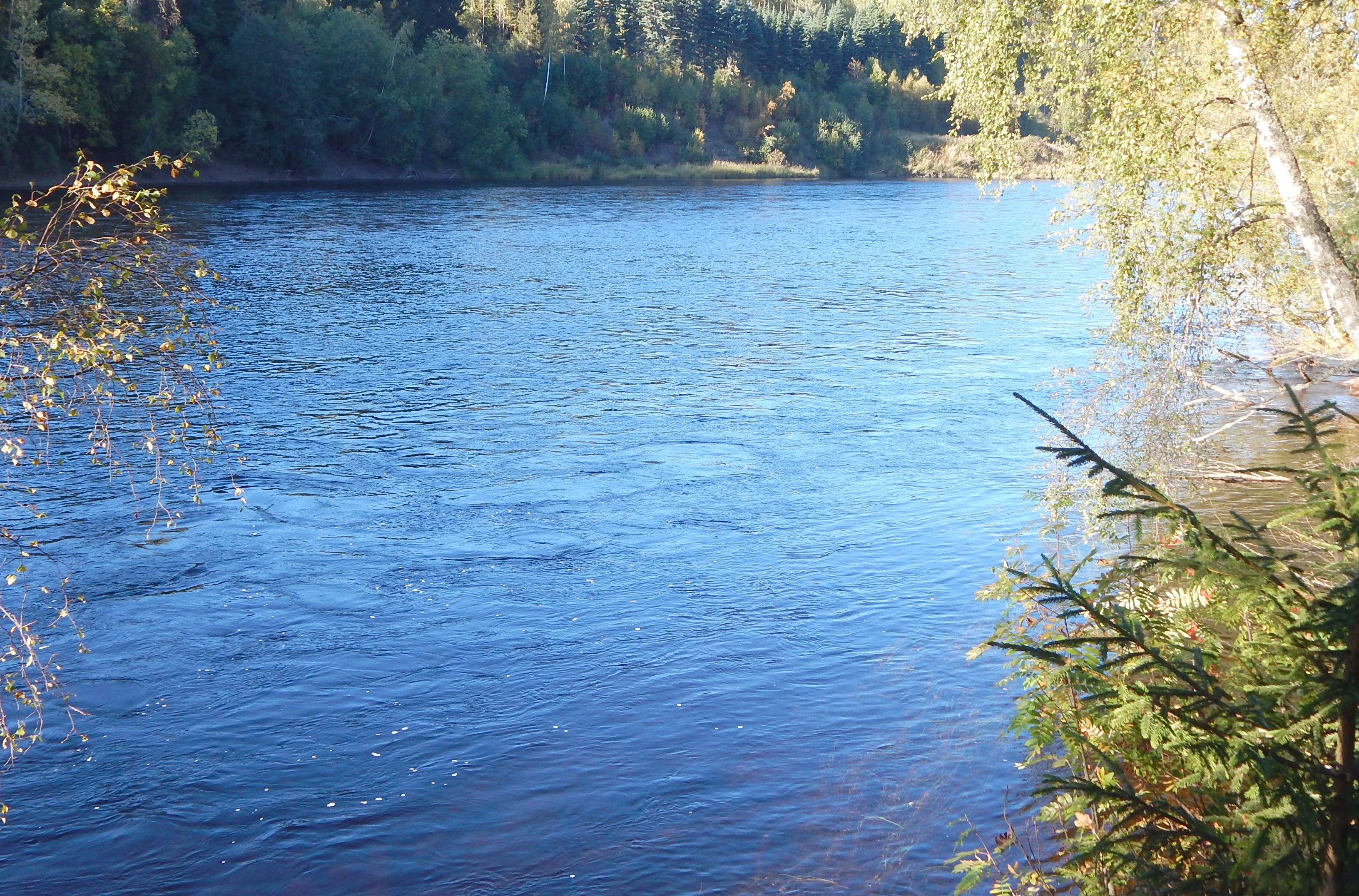
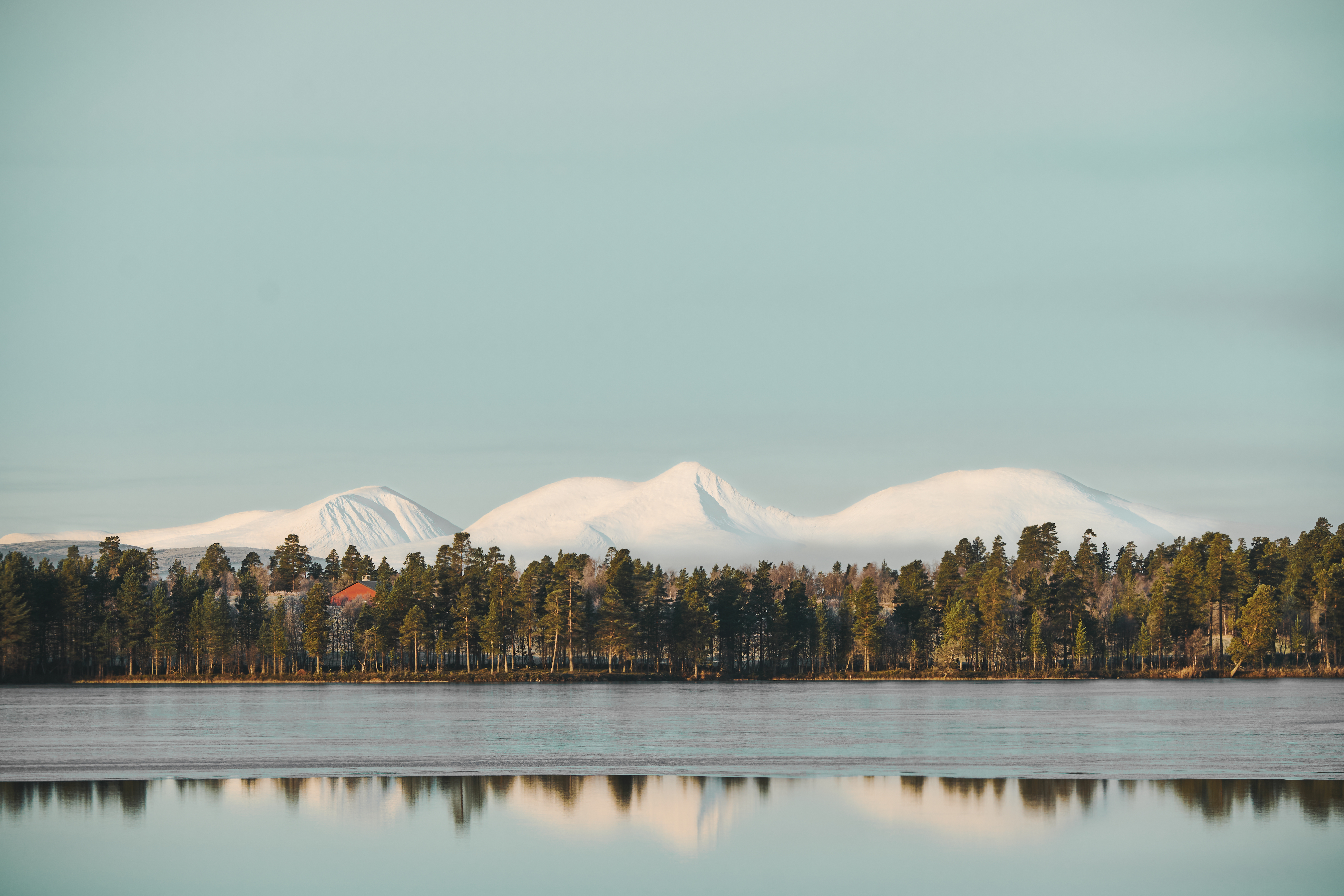
Rendalen runs through the heart of Østerdalen, a long valley of deep forests crossed by the Rena, the Glomma and a handful of named tributaries. Our five villages, Bergset, Otnes, Åkrestrømmen, Hanestad and Unset, are spread across the municipality's 3,179 square kilometres.
By area, Rendalen is the largest municipality in Innlandet — and one of the most thinly populated in Scandinavia. About 1.7 square kilometres of forest and mountain for every person who lives here.
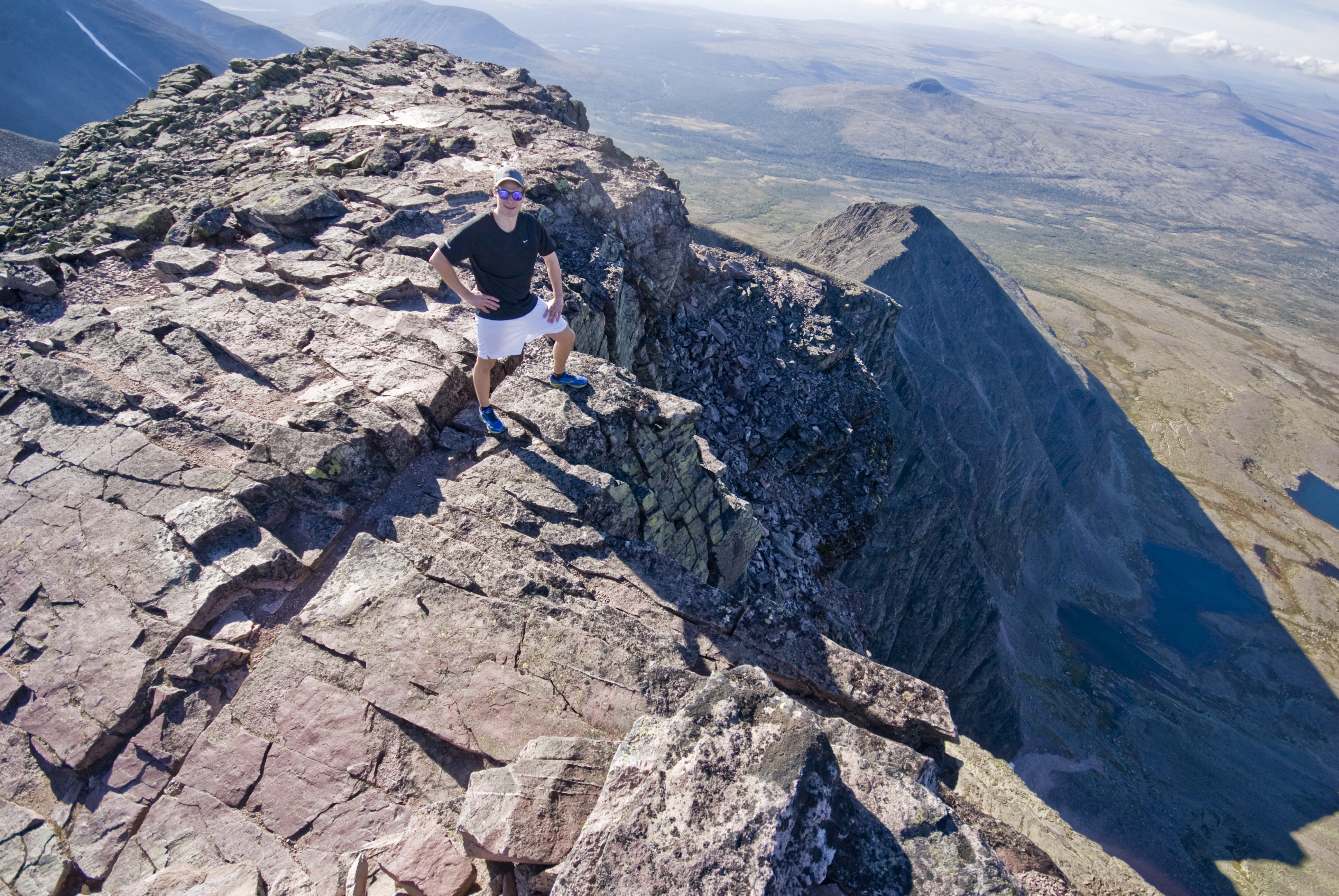
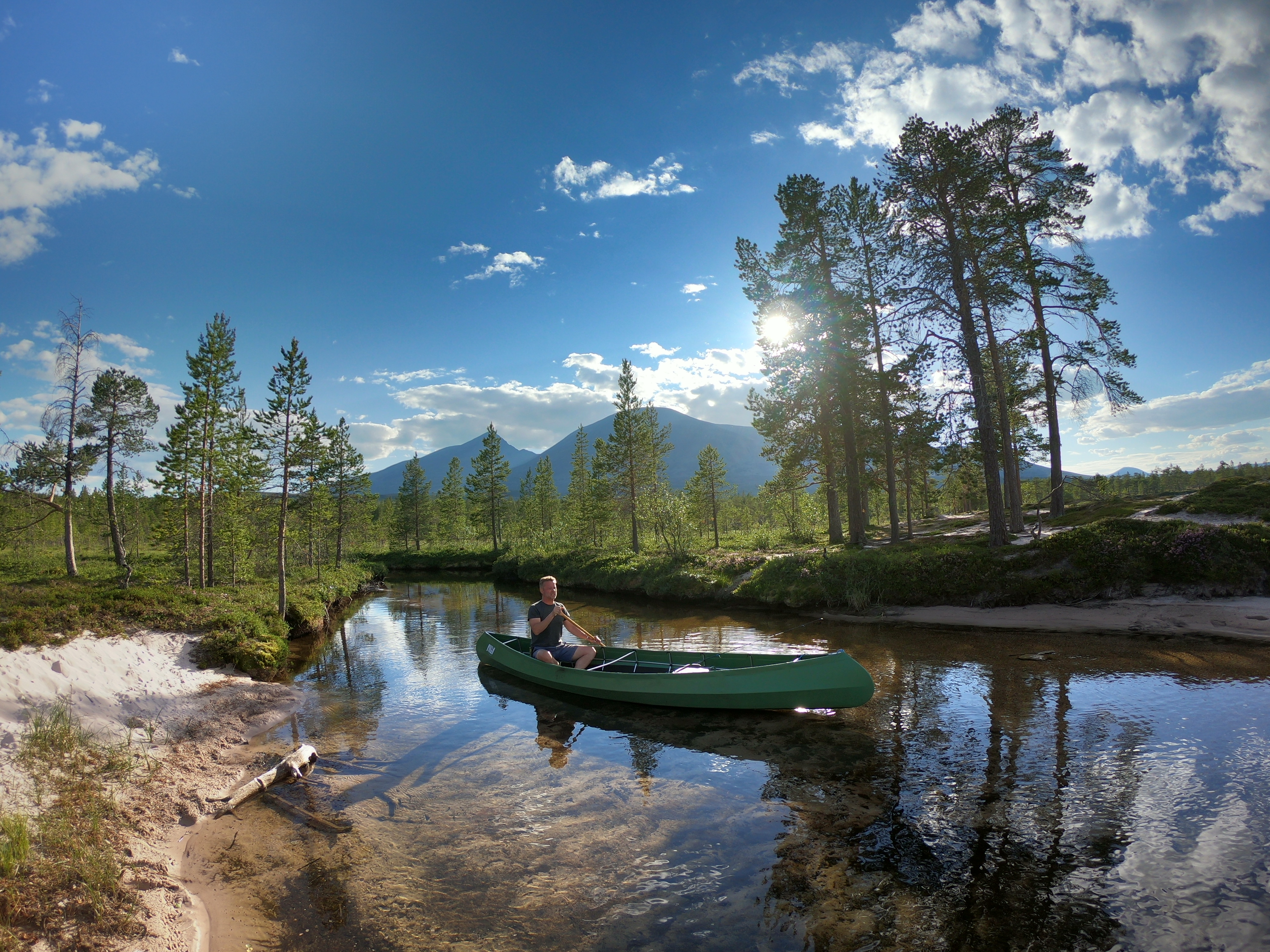
To the east stands Sølen, Innlandet's highest peak, watching over the lake that bears its name. To the west, the forests roll toward Rondane. Femundsmarka — Southern Scandinavia's largest continuous wilderness — begins where our eastern border ends.
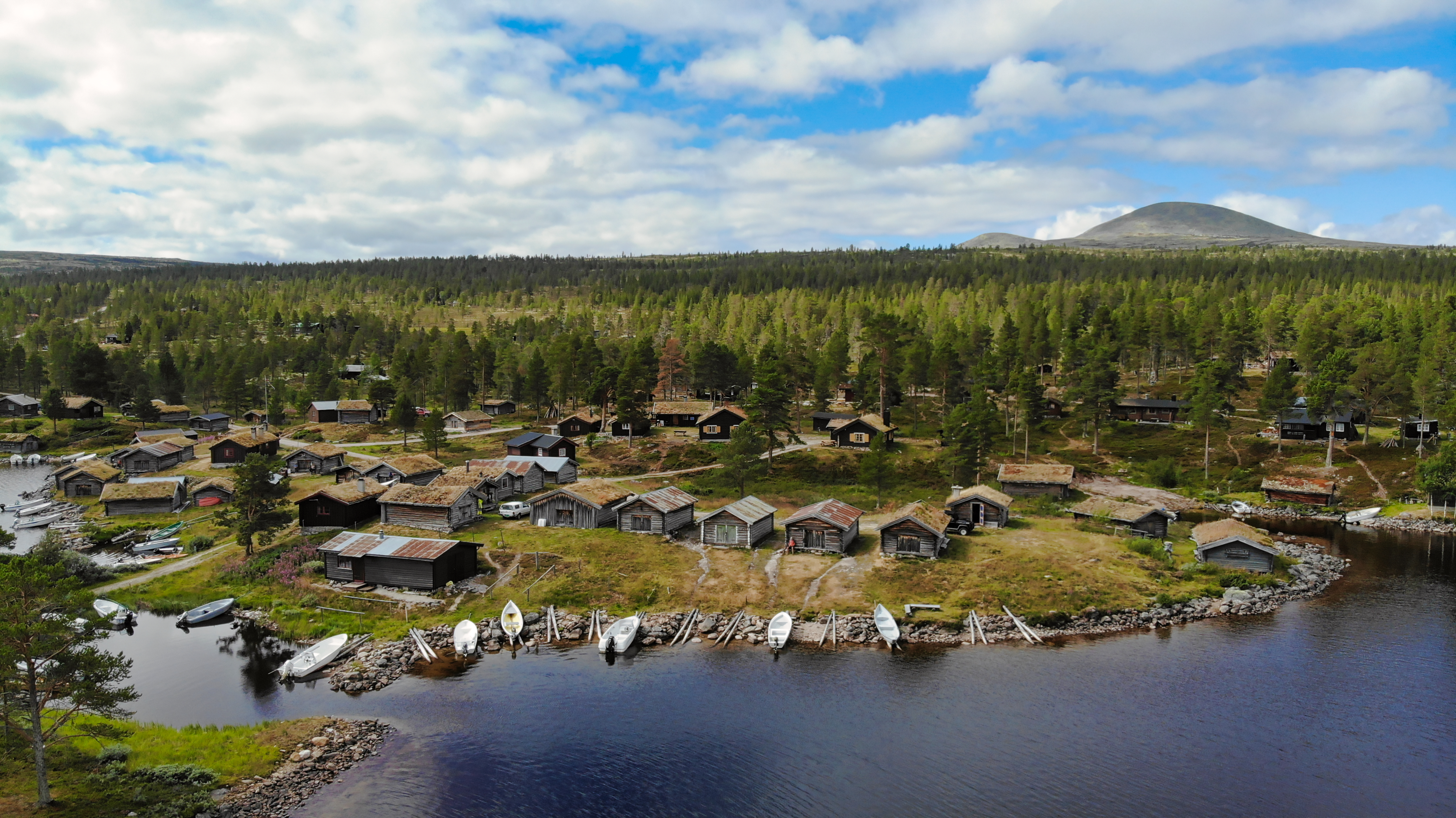
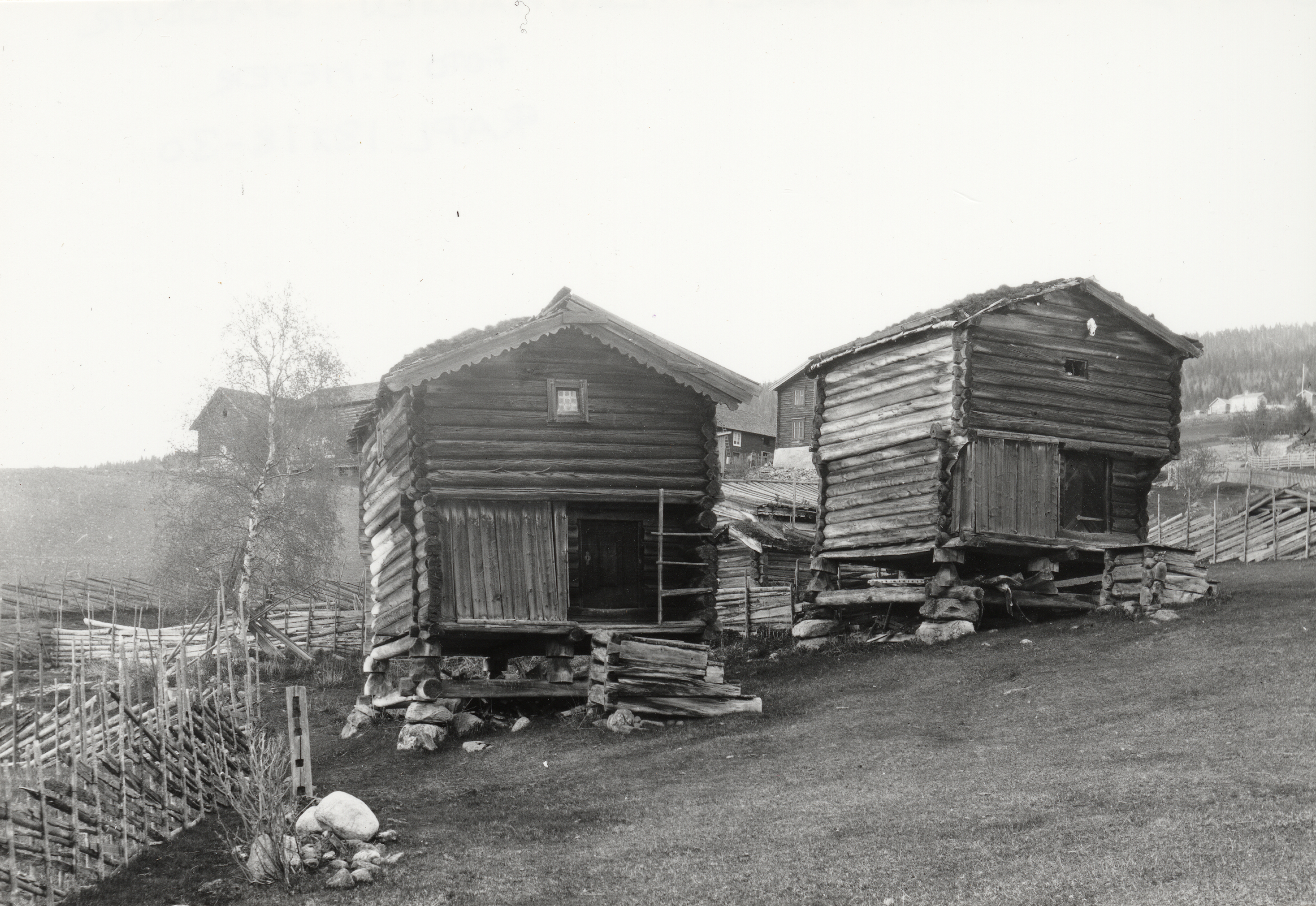
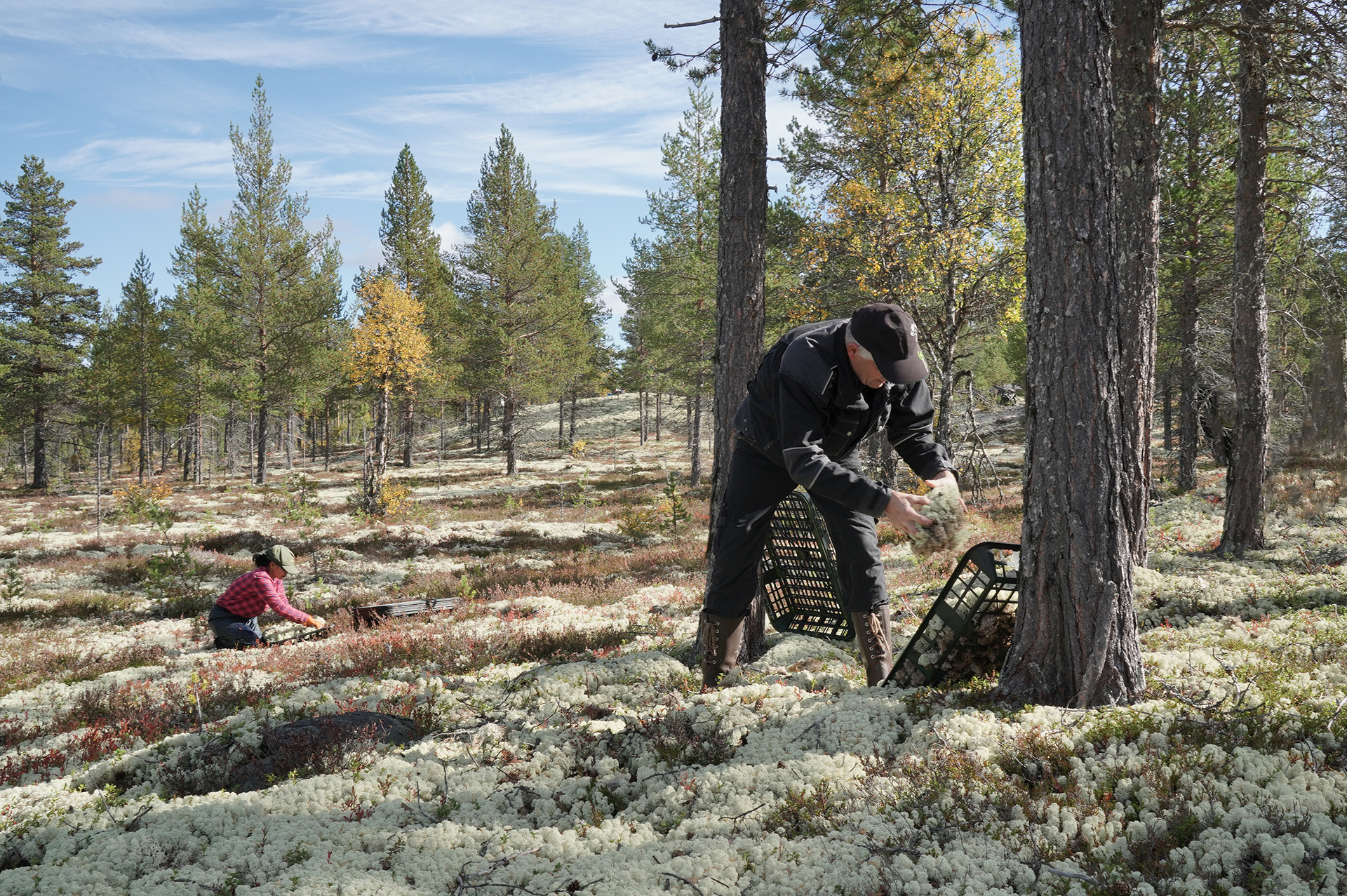
The landscape underwrites a few specific things. At Fiskevollen, on the western shore of Sølensjøen, about forty households keep Norway's only active inland fishing village in operation since the early 1700s. The cooperative Rendalen Renselskap manages the wild reindeer herd that ranges across our mountains as a shared inheritance, not a private hunting ground. And in Åkrestrømmen, Norske Moseprodukter harvests white moss from our forests and ships it — dyed in forty colours, by the truckload — to florists on every continent.
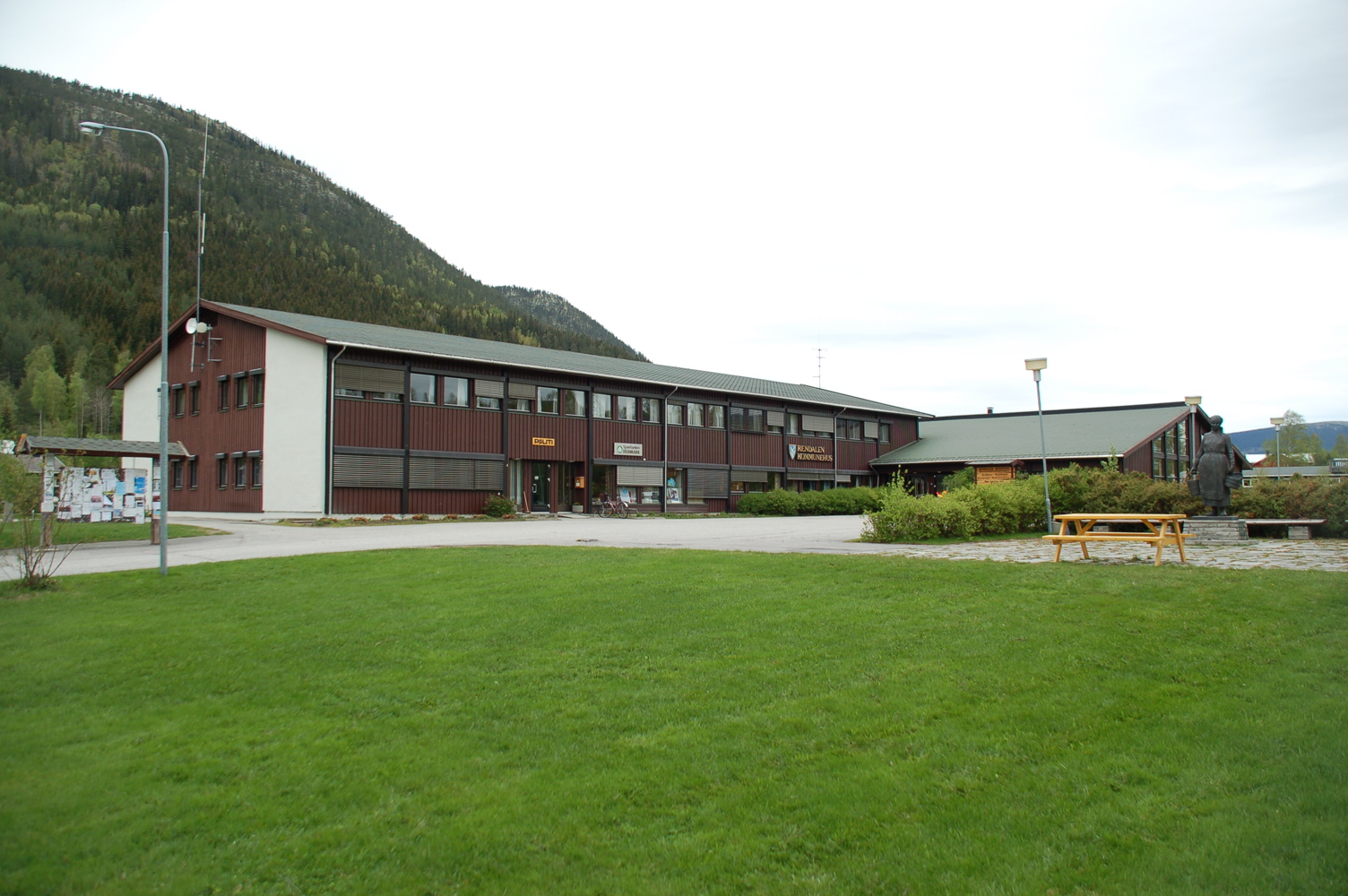
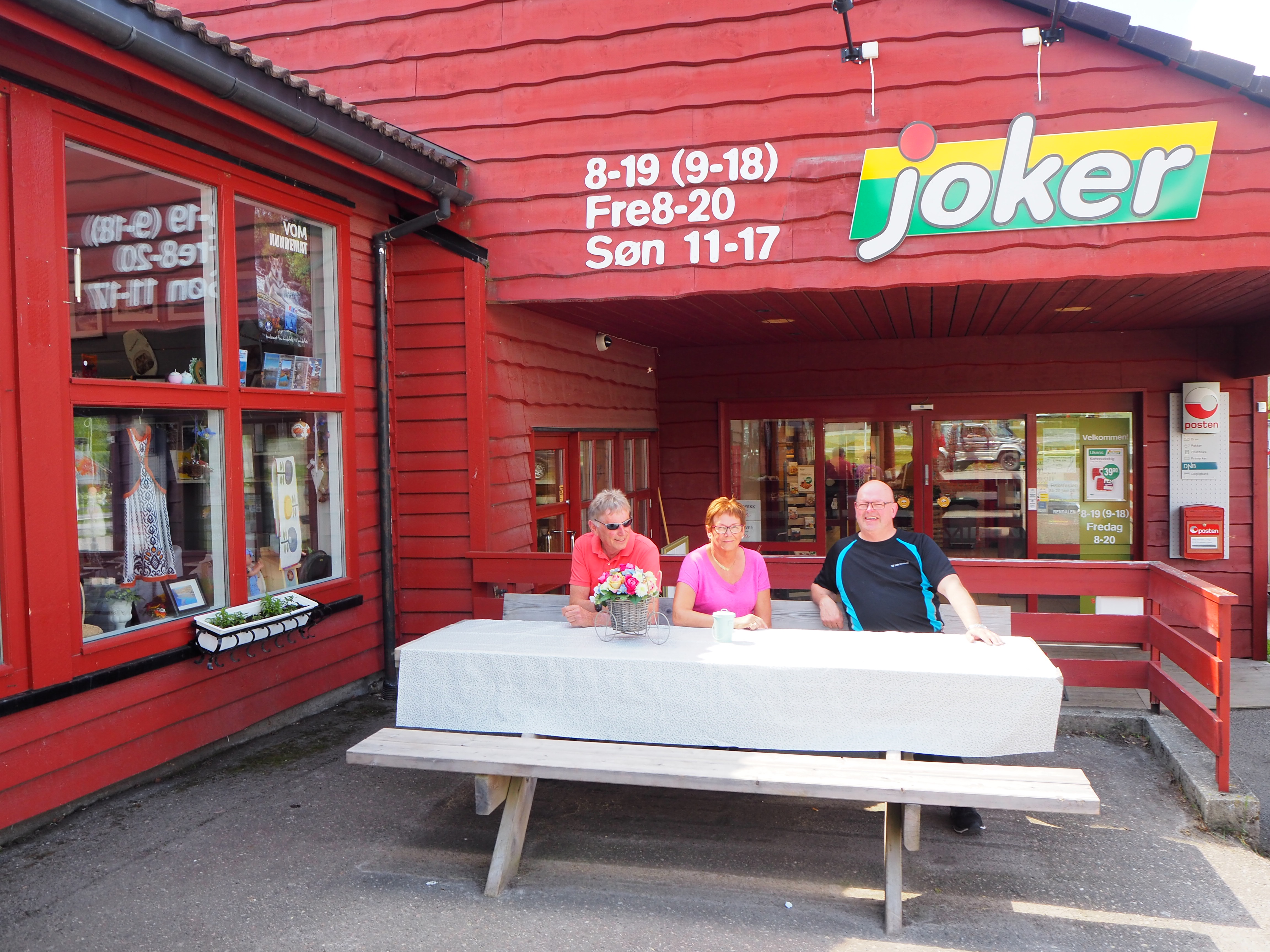
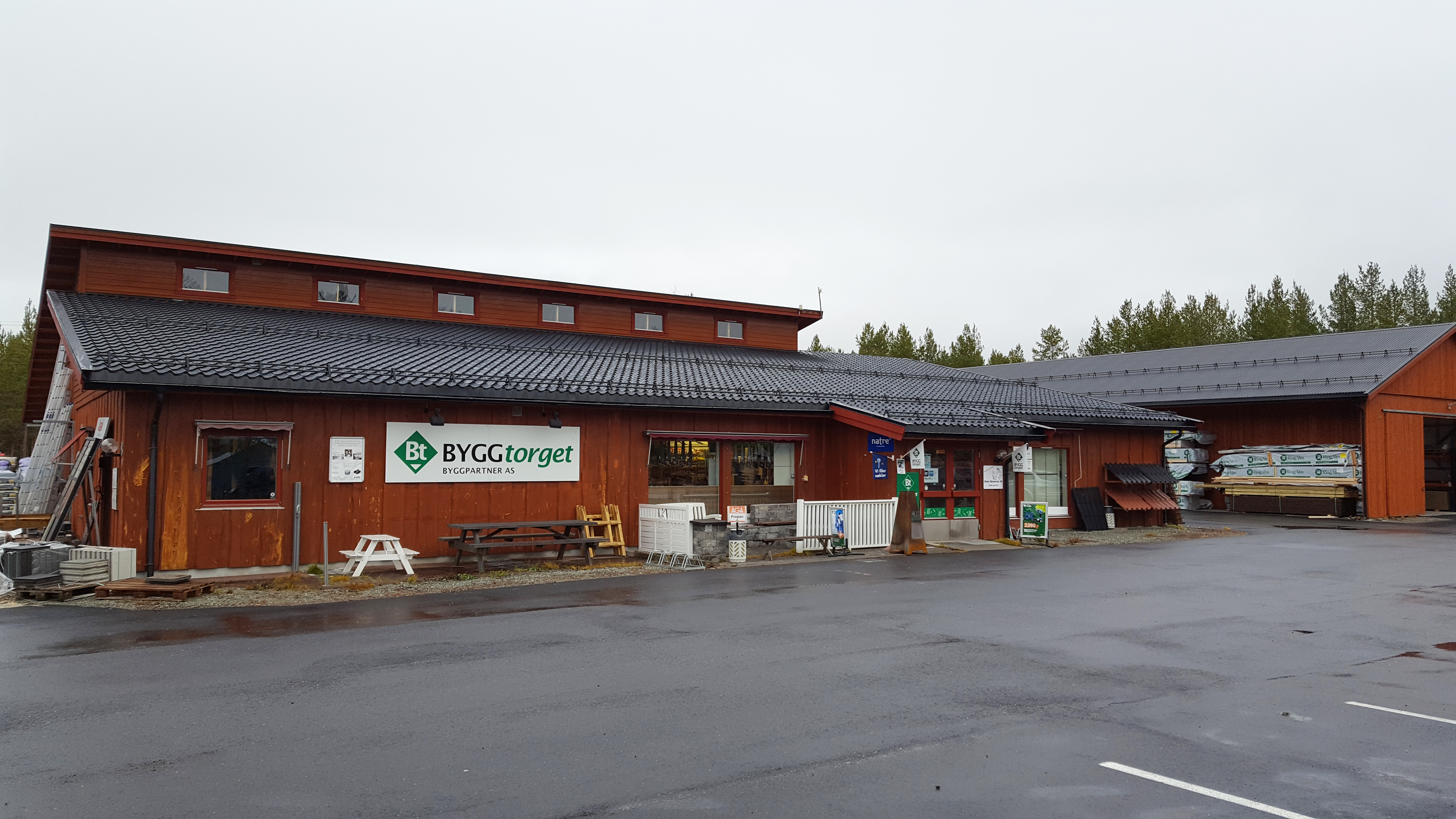
None of this is on display behind glass. Bergset has the kommune offices, the school, the doctor, the Coop. The annual Veidekulturfestival is an open-air event around hunting heritage held in late October. Jacob Breda Bull, our novelist, set his stories among these same farms and forests over a century ago — the rectory where he grew up still stands.
Rendalen is 1,850 people in 3,179 square kilometres. That is a population density of 0.58 per km² — one of the lowest in Scandinavia outside the Arctic. The practical version: a road in Rendalen with no other car on it is not briefly empty; it is, on average, just empty.
Welcome to one of Scandinavia's best fishing, hunting and nature destinations.