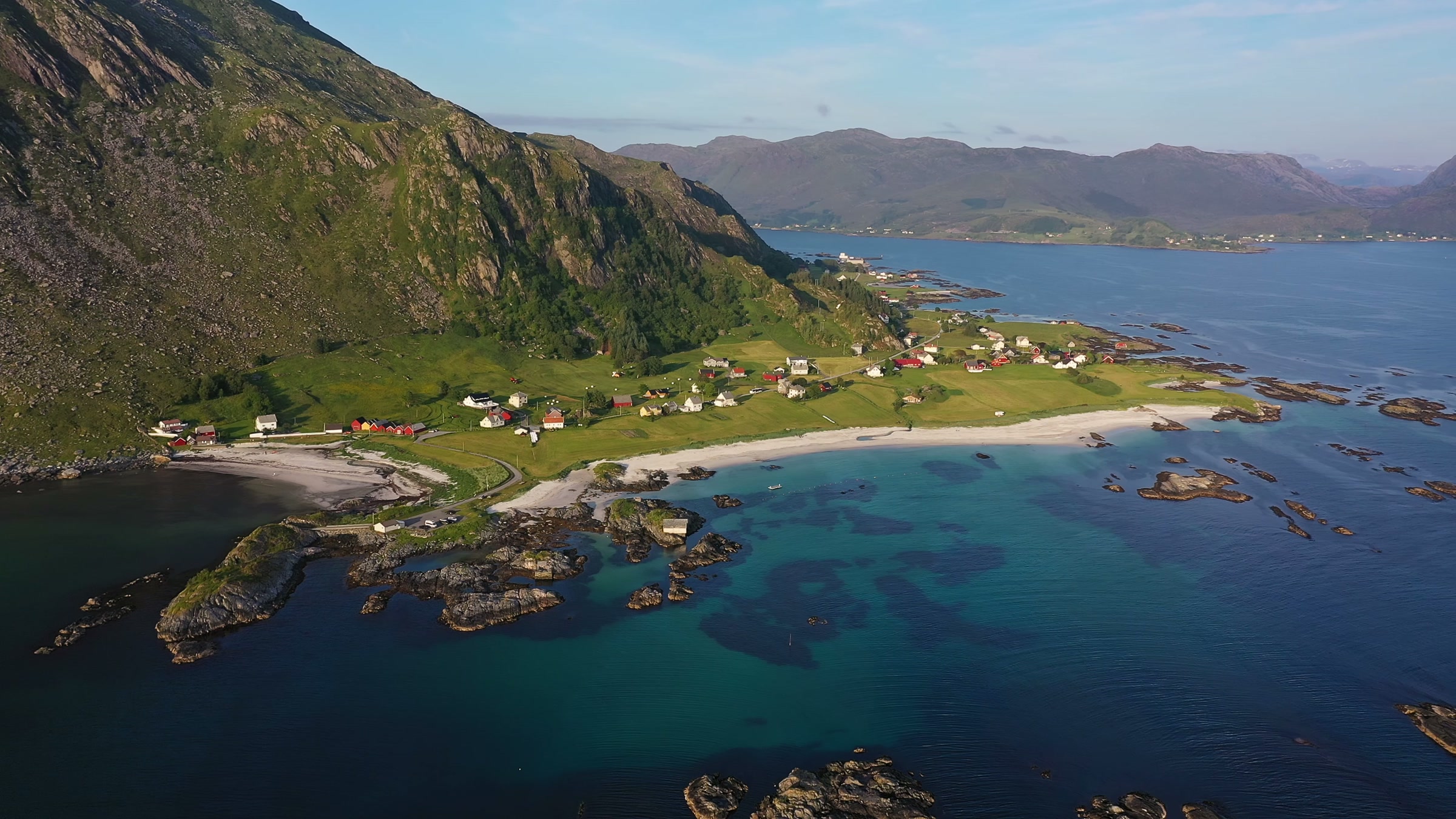
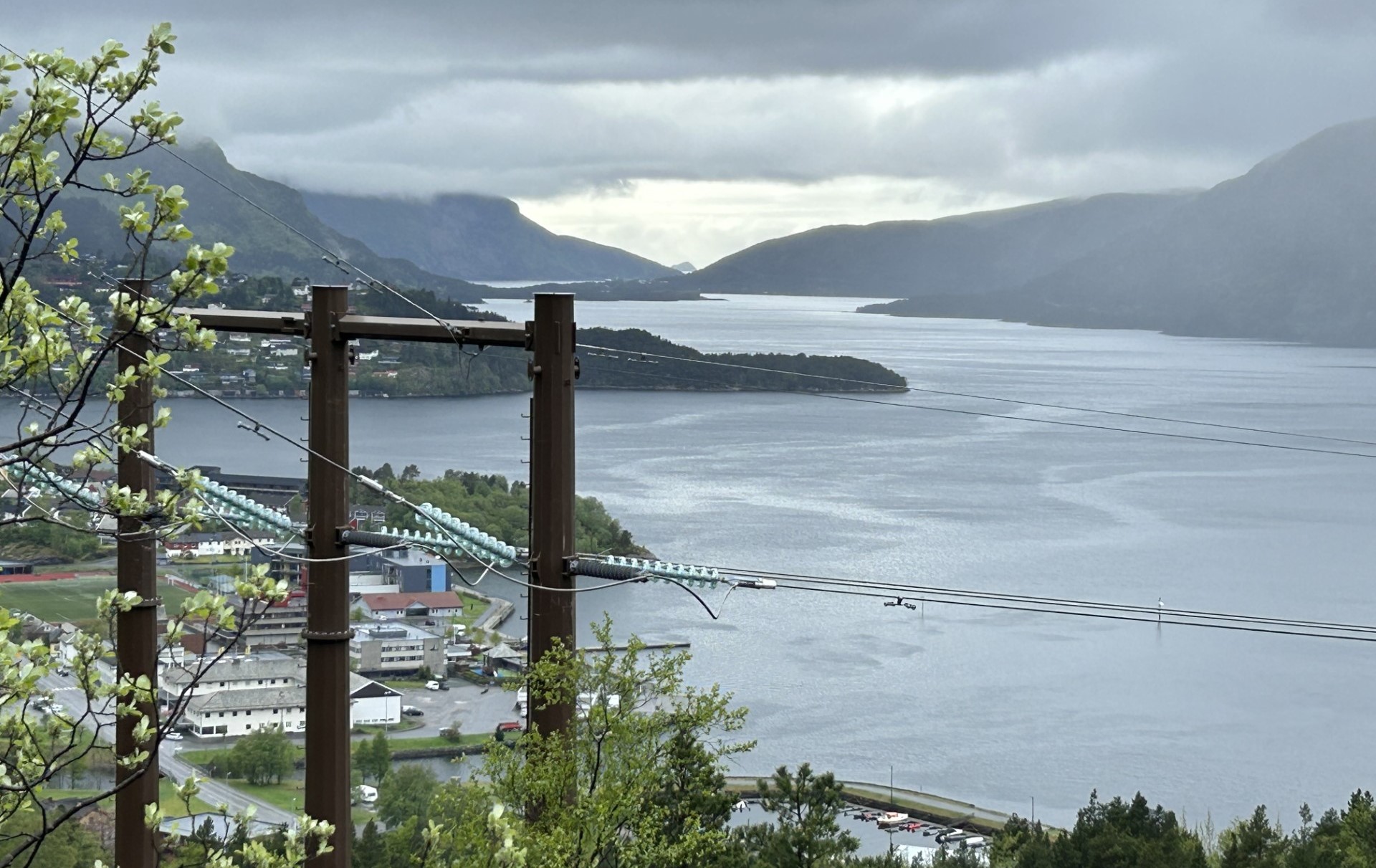
Svelgen seen across the fjord — the municipal centre of Bremanger
Norway · Vestland · Nordfjord

Svelgen

Whereindustrymeetsthefjord.

S Svelgen is a working town. The silicon smelter sits on the fjord, the power lines come down off the mountains, and the school, the shop and the care centre are all a few minutes apart. Park once and a Tuesday runs itself.

Role Municipal centre
Anchor Elkem · ~300 jobs
School Grades 1–10
Municipality Bremanger
County Vestland
Region Nordfjord
Nearest town Florø — ~45 min
Identity Industry & energy
The town

A working town on the fjord.

You come into Svelgen and the first thing you notice is that it is busy doing something. Not busy with traffic — busy in the older sense. The smelter sits along the water with its steam and its low hum. Power lines come down off the mountains behind the town. There is a quay, a school, a care centre, a hotel, and the fjord holding all of it together.

Svelgen is the largest place in Bremanger and the municipal seat. It is not a postcard fishing village — Kalvåg, out on the islands, plays that part. Svelgen is where the municipality works for a living. The silicon Elkem makes here ends up in phones and computers in nearly every country on earth, and the rivers and the wind above the town feed one of Norway’s larger renewable-energy municipalities. People have made things in Svelgen for more than a hundred years.

Around 3,400 people live in Bremanger, spread from the open Atlantic to the Ålfotbreen glacier. Svelgen holds the centre of that — the town hall, the school, the GP, the care centre, the shop — on a compact site where most of a weekday can be done on foot.

«We didn’t want a place pretending to be a holiday. We wanted somewhere that still made something.»

That is Hanna Vogt. A nurse from southern Germany, she took a post at Svelgen omsorgssenter; her partner Tobias works shifts at Elkem. Their daughter Mia, nine, is at Svelgen oppvekst. A year in, Hanna is clear that the practical things landed faster than she expected, and equally clear about which months were hard.
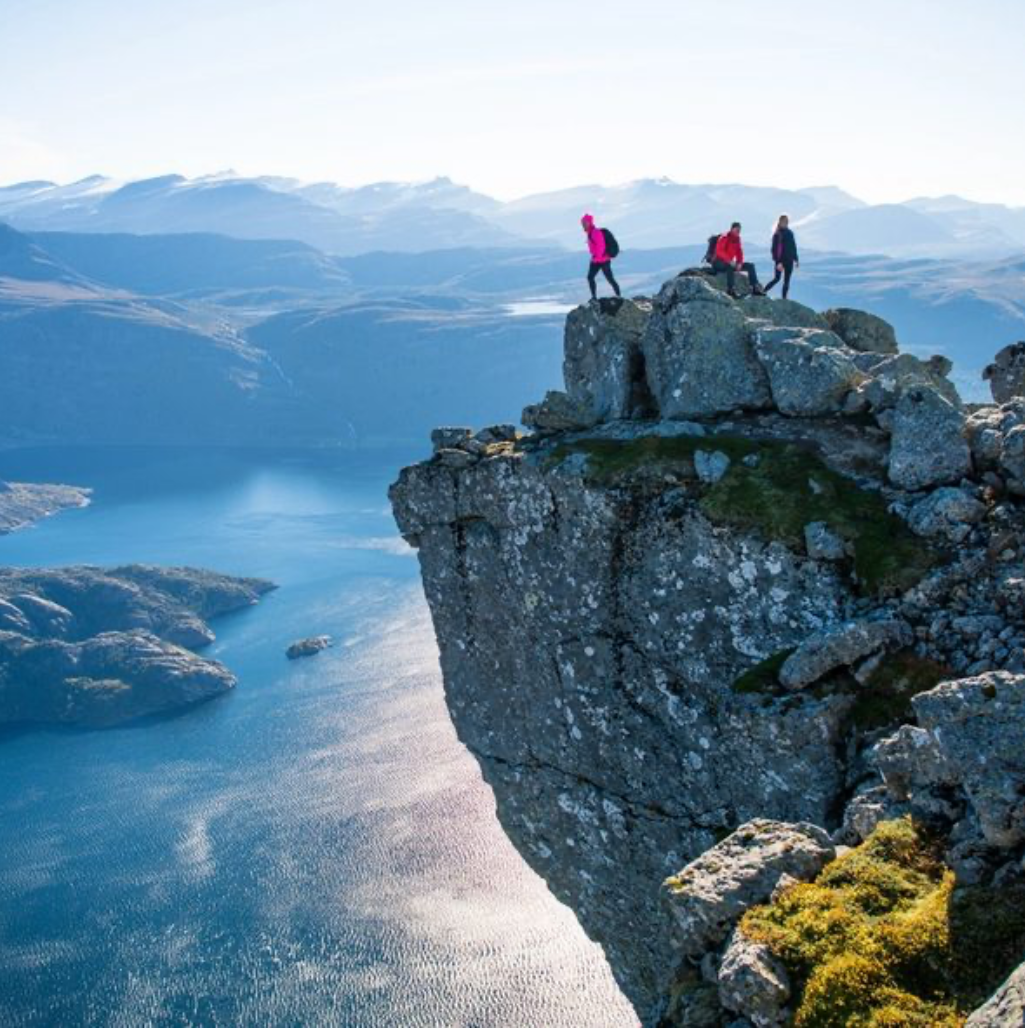
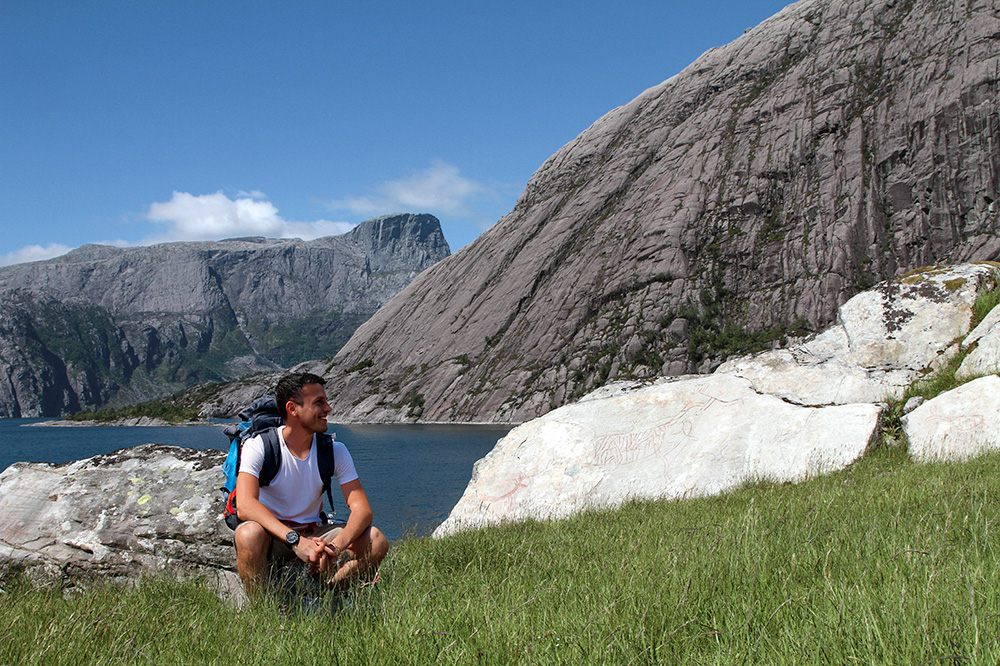
Hornelen, the sea cliff rising out of the fjord north-west of Svelgen
Hornelen Europe’s highest sea cliff, 22 km north-west of Svelgen · Photo: godebremanger.no
Everyday, translated

A Tuesday in Svelgen.

The school and kindergarten sit together on one site, a few minutes from most of the houses. Mia walks. The grocery covers the weekly shop; for a bigger selection people drive to Florø or into Nordfjord, both inside what locals call the 45-minute region — the idea that most of what you need is within about three-quarters of an hour by car.

Hanna’s walk to the omsorgssenter takes eight minutes. Tobias drives five to the Elkem gate. That, more than anything, is what they talk about when friends in Germany ask what changed.

«We gave up two long commutes and bought back two hours of every single day. Nobody warned me how much that would change.»

The ferries are the part newcomers ask about most. On the northern side of the municipality they are a fact of life — Stårheim–Isane and Måløy–Oldeide run through the day and into the night. From Svelgen and the south you can mostly drive without them. Either way, the locals will tell you the ferry is half nuisance, half the best coffee break of the commute.

The fibre is the other surprise. Svelgen has gigabit broadband, and the municipality has pushed full 5G and fibre out across the rest of Bremanger. Hanna’s sister, who works remotely, came to visit, tested the connection out of habit, and went quiet.

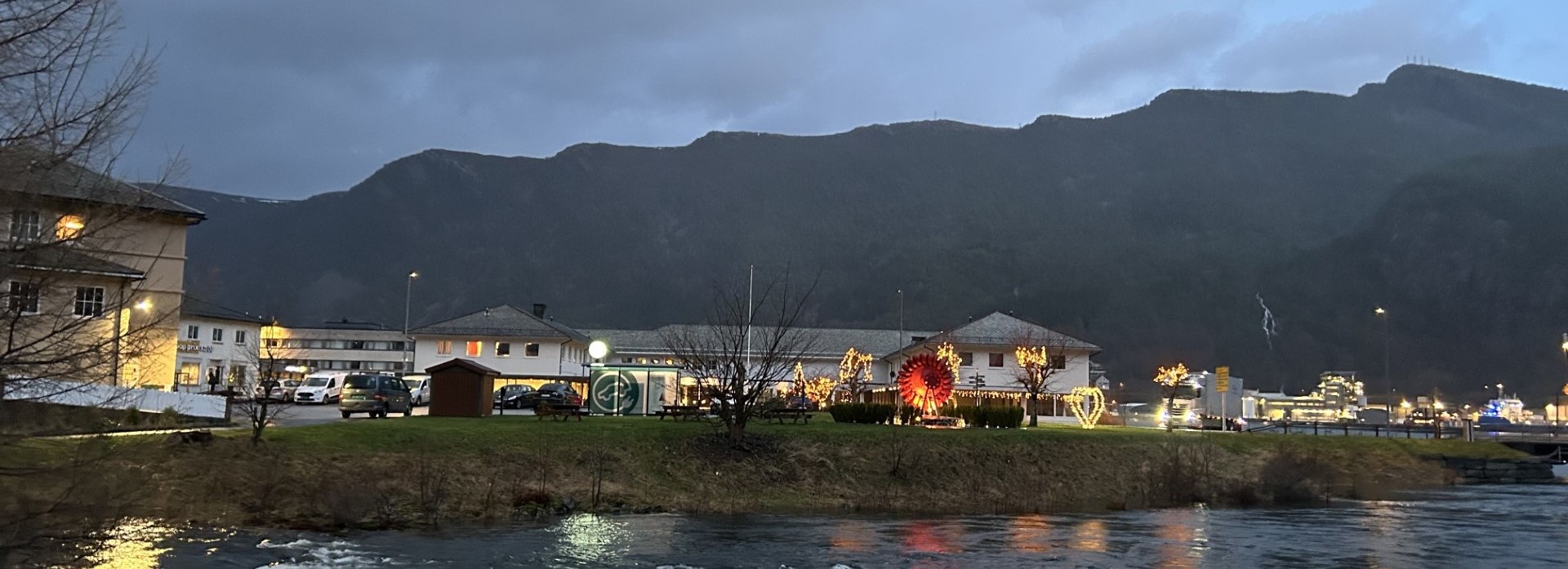
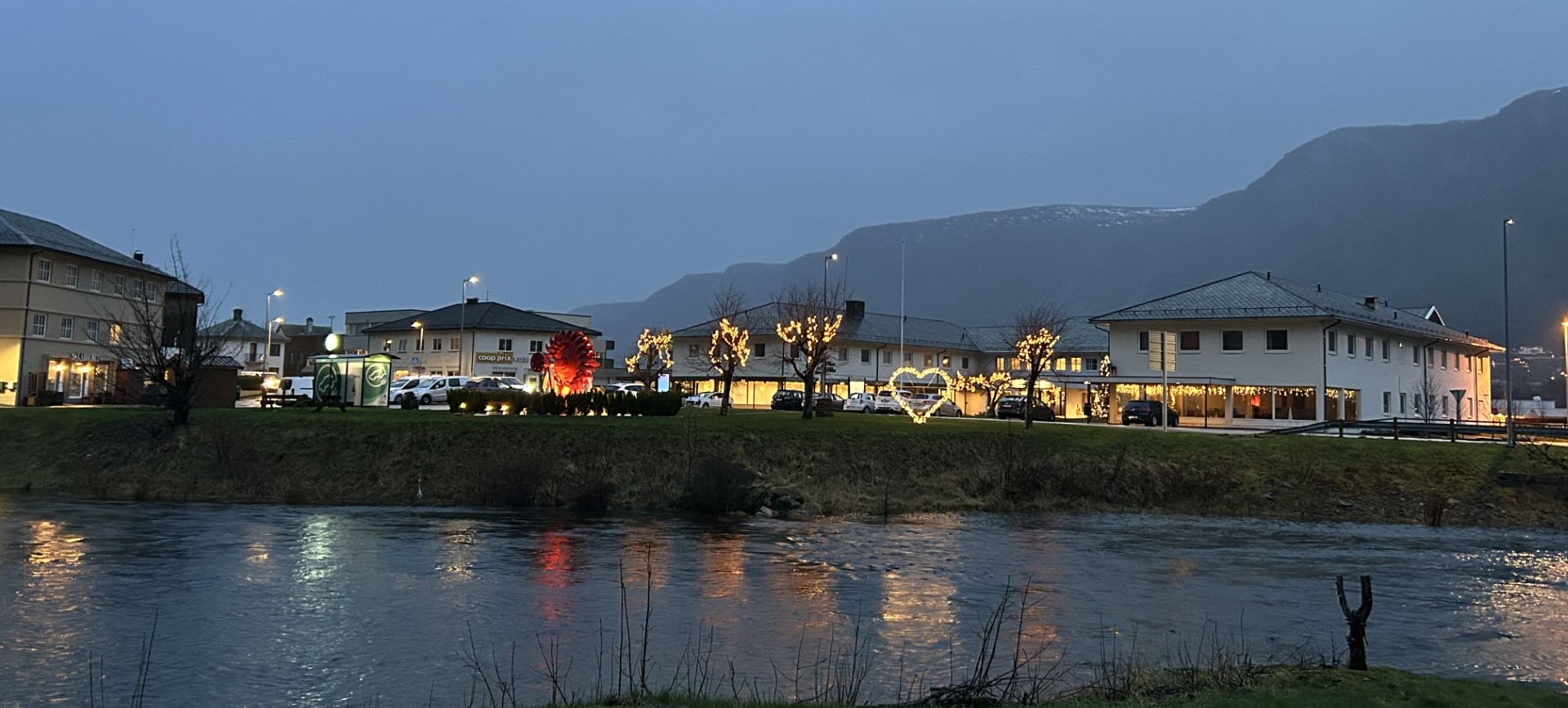
Svelgen lit up on a winter evening, the fjord dark beyond the houses

Svelgen on a winter evening. The town keeps its lights on through the dark months. Photo: godebremanger.no

Family

The school year.

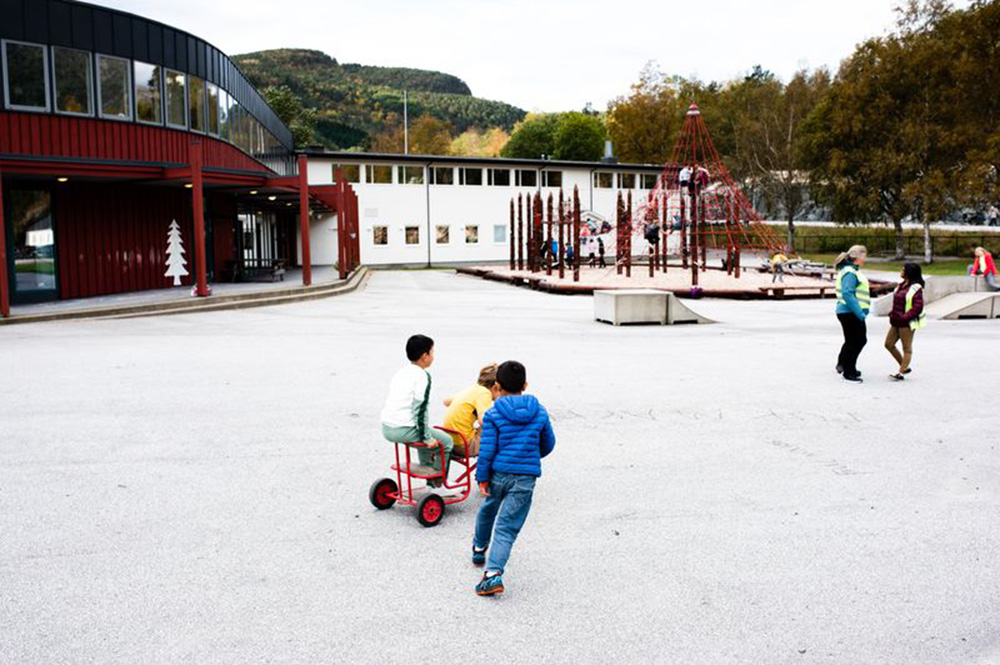
Svelgen oppvekst is school and kindergarten on one site, grades 1 to 10. The classes are small — small enough that a new child is not a number on a list but a face the staff know by the second week. There is no international school in the municipality, and the local view is that there does not need to be one.

When the Vogts arrived, Mia was eight and spoke no Norwegian. The school gave her extra language support and a buddy in her class. The first surprise came quickly.

«Her teacher gave us her private number in the first week. She said: call if Mia is ever lonely. I thought it was a formality. It wasn’t.»

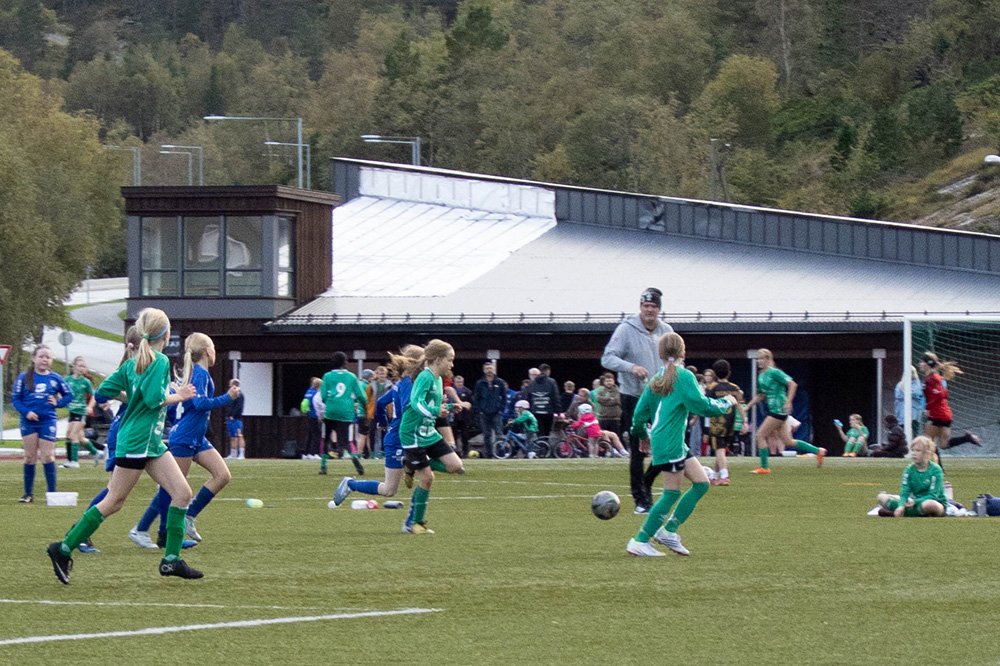
A year on, Mia switches between Norwegian and German without thinking about it, plays football at the Svelgen hall, and is part of the after-school crowd at Realen, the town’s culture and youth house. Realen runs concerts and events and has hosted young people from across Europe on an EU-funded volunteer programme since 2018.

Young people at Realen, Svelgen’s culture and youth house

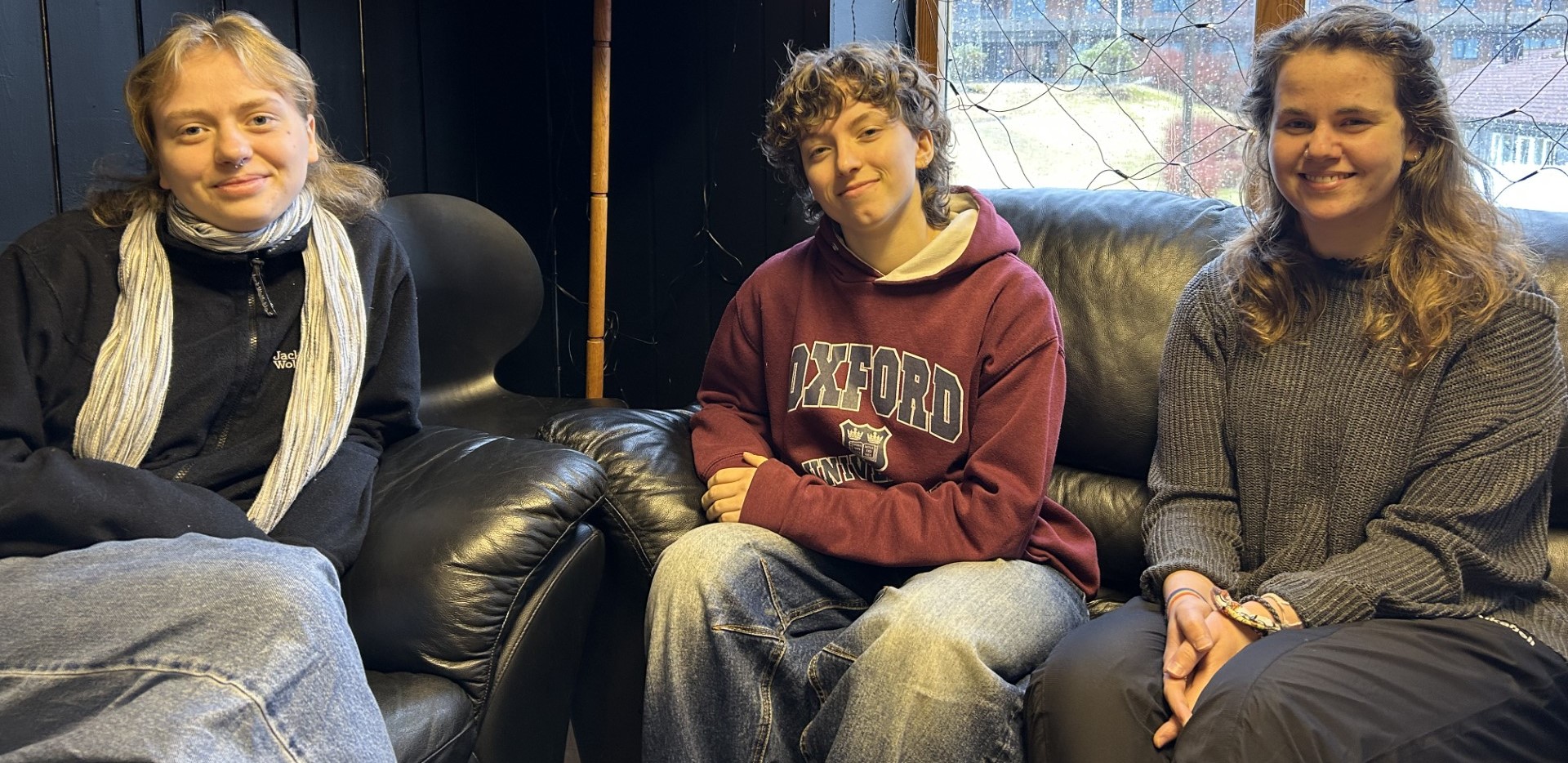
Realen, Svelgen’s culture and youth house — concerts, events, and a long-running European volunteer programme. Photo: godebremanger.no

Work nearby

Silicon, energy, and care.

For a town this size, the working life is unusually broad. Elkem Bremanger is the anchor — around 300 people making silicon on the fjord, a material that leaves Svelgen and ends up in phones and computers almost everywhere. The energy story is just as old: the rivers and, more recently, the wind above the municipality make Bremanger one of Norway’s larger producers of renewable power, an «energy adventure» that started more than a century ago.

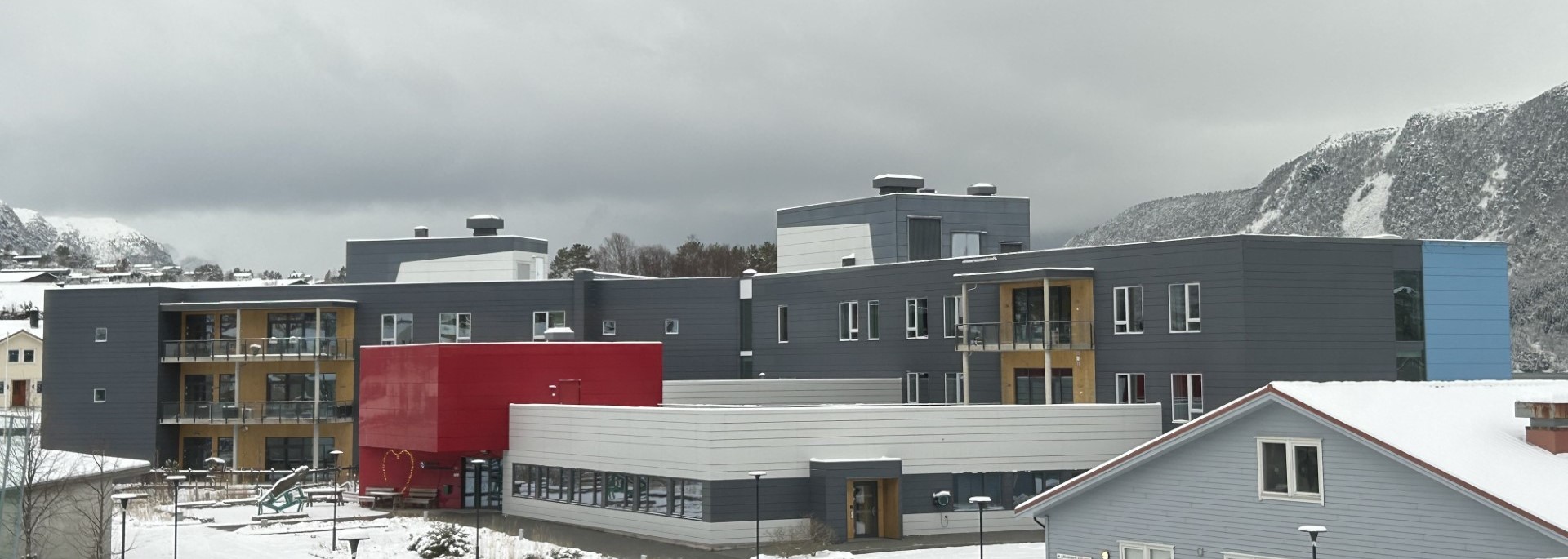
Then there is care. Svelgen omsorgssenter is one of the largest workplaces in the municipality, and health and care roles are in steady demand — which is exactly how Hanna got here.

«Nursing travels. I could have gone anywhere. The difference here is that the job and the fjord are eight minutes apart.»

Out along the coast the seafood industry adds more: Pelagia in Kalvåg, Mowi and others farming the fjord water. Add construction, the public sector and the businesses that serve a steady stream of summer visitors, and a two-income household has real options without leaving the 45-minute region. Tobias’s job at Elkem was the kind a newcomer with the right trade can step into without fluent Norwegian on day one — though, as everywhere here, the Norwegian comes faster than expected.

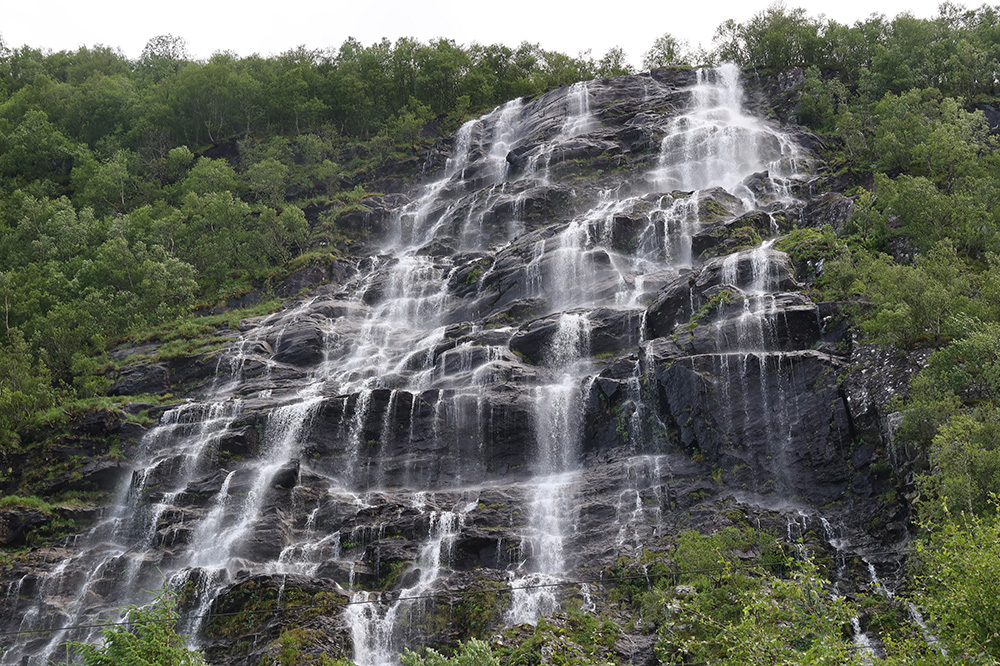
Falling water and the power that made Bremanger an energy municipality

Water off the mountains. The energy that built Svelgen, and still runs it. Photo: godebremanger.no

Honest

The first winter.

The autumn was the hard part. Hanna is honest about it. They arrived in summer, when the coast is at its best — long light, calm water, the islands open. Then the weather turned, and the storms came.

«The first November storms, I questioned everything. By February I had learned to love a town that stays lit and keeps moving in the dark.»

This is the wet, windy western edge of Norway. Winters are milder than the inland valleys but darker and stormier, with rain as often as snow and the odd ferry that waits out the weather. What carries people through, Hanna says, is that Svelgen does not shut down. The hall has indoor sport most evenings, Realen keeps its lights on, and the omsorgssenter, the school and the shop all keep their ordinary rhythm.

And then the light comes back early. By late winter the days stretch fast and the coast is bright again. «The second winter,» Hanna says, «you stop counting the storms and start counting the bright days.»

«Don’t move here for a view. Move here because you want a short walk to a real job and a fjord at the end of the street. The rest follows.»

Hanna Vogt, Svelgen

She walks me back along the quay. It is a bright, hard-weather Tuesday, the smelter behind us, the light off the fjord. Two people stop her on the way. She knows them both.

Let’s talk

Ask anything.

The Freysta Portal connects you with a real person at Bremanger municipality. No appointment, no obligation.

Village Services

What’s Here

Services, activities, and amenities available in Svelgen and within a short drive.

Public services

IN SVELGEN
  • Town hall (municipal admin)
  • Svelgen oppvekst – school grades 1–10
  • Kindergarten (same site)
  • GP surgery
  • Child & maternal health clinic
  • Svelgen omsorgssenter (care centre)
  • Public library
  • Church

Shops & daily needs

IN SVELGEN
  • Grocery store
  • Bremanger Fjord Hotell
  • Realen culture & youth house
  • EV charging
  • Elkem Bremanger (largest private employer)

Leisure & sport

IN & AROUND TOWN
  • Svelgen sports hall (handball, football, gymnastics)
  • Swimming pool
  • Hiking trails from town
  • Hornelen climb (from Berle)
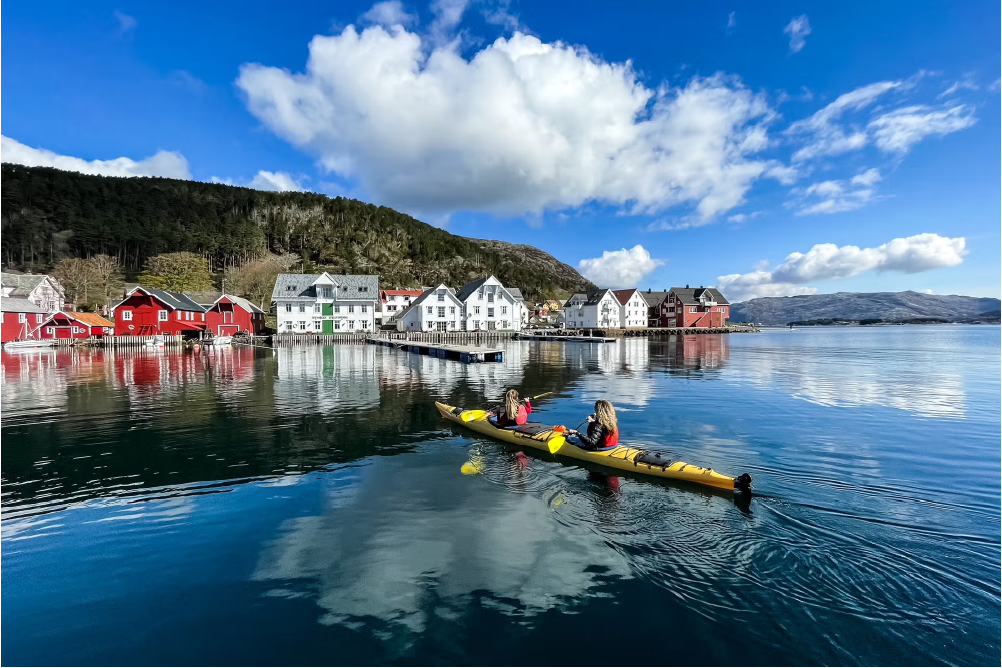
  • Sea kayaking & fishing on the fjord
  • Grotlesanden beach

Within the 45-min region

REGIONAL ACCESS
  • Florø (town, services, airport link)
  • Nordfjord towns & high schools
  • Regional hospitals (Nordfjord / Sunnfjord)
  • Boat Smørhamn–Florø (~30 min)
  • Ferries Stårheim–Isane, Måløy–Oldeide
  • Passenger boat to Bergen (~4 h)
Location

Where is Svelgen?

Svelgen sits on the eastern, Nordfjord side of Bremanger, at the head of the fjord beneath the power-station mountains. Florø and the Nordfjord towns are within the 45-minute region; the islands, Hornelen and the open coast lie to the west.

FAQ

Questions about Svelgen

Practical answers to what newcomers most often ask about everyday life in Svelgen.

Can my children attend the local school if they don’t yet speak Norwegian?

Yes. Svelgen oppvekst takes pupils from 1st through 10th grade, including children with no Norwegian, and the kindergarten is on the same site. The municipality assigns extra language support (the programme is called særskilt norskopplæring) during the first one to three years. Classes are small, so there is a lot of one-to-one teacher time, and children usually pick up conversational Norwegian within months. There is no separate international school in the municipality.

What kind of work is there in Svelgen?

More than the size suggests. Elkem Bremanger, the silicon smelter on the fjord, is the largest private employer with around 300 staff. Healthcare is the other steady route in: Svelgen omsorgssenter and the municipal health and care services are always recruiting. Add the energy companies, the seafood industry along the coast (Pelagia, Mowi and others), construction and the public sector, and a two-income household has real options within the 45-minute region.

How reliable is the internet?

Svelgen has fibre, and the municipality has been rolling out full 5G and fibre coverage across the rest of Bremanger. Standard household subscriptions reach gigabit speeds — the same infrastructure remote workers across the municipality rely on.

What about healthcare?

Svelgen has a GP surgery and a child and maternal health clinic, plus the omsorgssenter for elder and nursing care. For specialist treatment and emergencies, the regional hospitals in Nordfjord and Sunnfjord are within the 45-minute region, and the air ambulance covers the coast.

How do I get here from abroad?

The usual route is to fly into Oslo or Bergen, then onward to the coast. From Kalvåg you can reach central Oslo in around three hours: the boat from Smørhamn to Florø takes half an hour, then it is roughly an hour by air to Oslo. A passenger boat also runs to Bergen in about four hours. On the northern side of the municipality there are ferries; from the south you can drive in without them.

What is the climate like in winter?

Honest answer: this is the wet, windy edge of the Atlantic. Winters are milder than inland Norway but darker and stormier, with rain as often as snow and ferries that occasionally wait out the weather. The compensation is a coast that is rarely still, long bright spring days, and the light coming back early. Most newcomers say the first autumn is the adjustment; by the second winter it is just the season.