

Cleaner Ships don’t Start at Sea
They start on the drawing board
Sustainability is far from just a side project for VARD. The vessels they design and build are meant to help maritime operators run with lower environmental impact, and the way they run their yards is part of the same mindset.
Sustainability is Designed in, not Bolted on
VARD’s overall direction is simple: enable more sustainable business at sea. The interesting part is how they try to do it — in practical, engineering-heavy ways that actually hold up in real operations.
A greener vessel is rarely one single technology. It’s the whole package: hull efficiency, smart energy use, the right power system, and solutions that make low- or zero-emission operations possible in daily work.
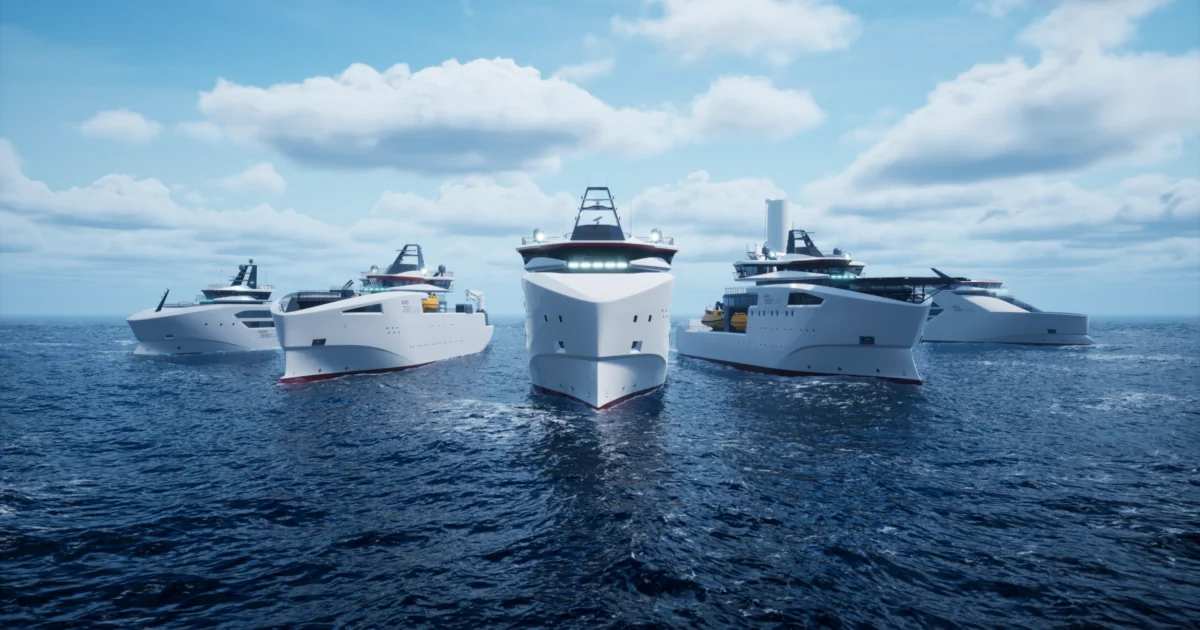
That’s why VARD’s approach starts early, in design and engineering. They work with research and innovation to push toward future zero-emission ship concepts, and they collaborate across customers, technology partners and competence environments to move ideas from “nice concept” to “something you can build and operate.”
A clear example is their work on zero-emission vessel solutions that are developed to support alternative energy carriers. This includes hydrogen, ammonia, methanol and full-electric power. Instead of claiming one answer for every operator, the point is flexibility. Vessels that can be configured toward cleaner operation as the industry and infrastructure evolve.
And because “new fuels” also mean new requirements, this work is paired with structured verification. To name a few examples, risk assessment work and formal approval pathways with classification partners.
Making Future Fuels Workable. And Safe.
Hydrogen and other alternative fuels are often mentioned as the future. However, the hard part is building systems that work safely, efficiently and predictably offshore. Out on the ocean it just has to work.
VARD has been involved in innovation initiatives aiming to develop zero-emission vessel concepts that include liquid hydrogen as an energy source, with the very real engineering challenges that follow: storage, fuel systems, and validation steps that move concepts closer to operational reality.
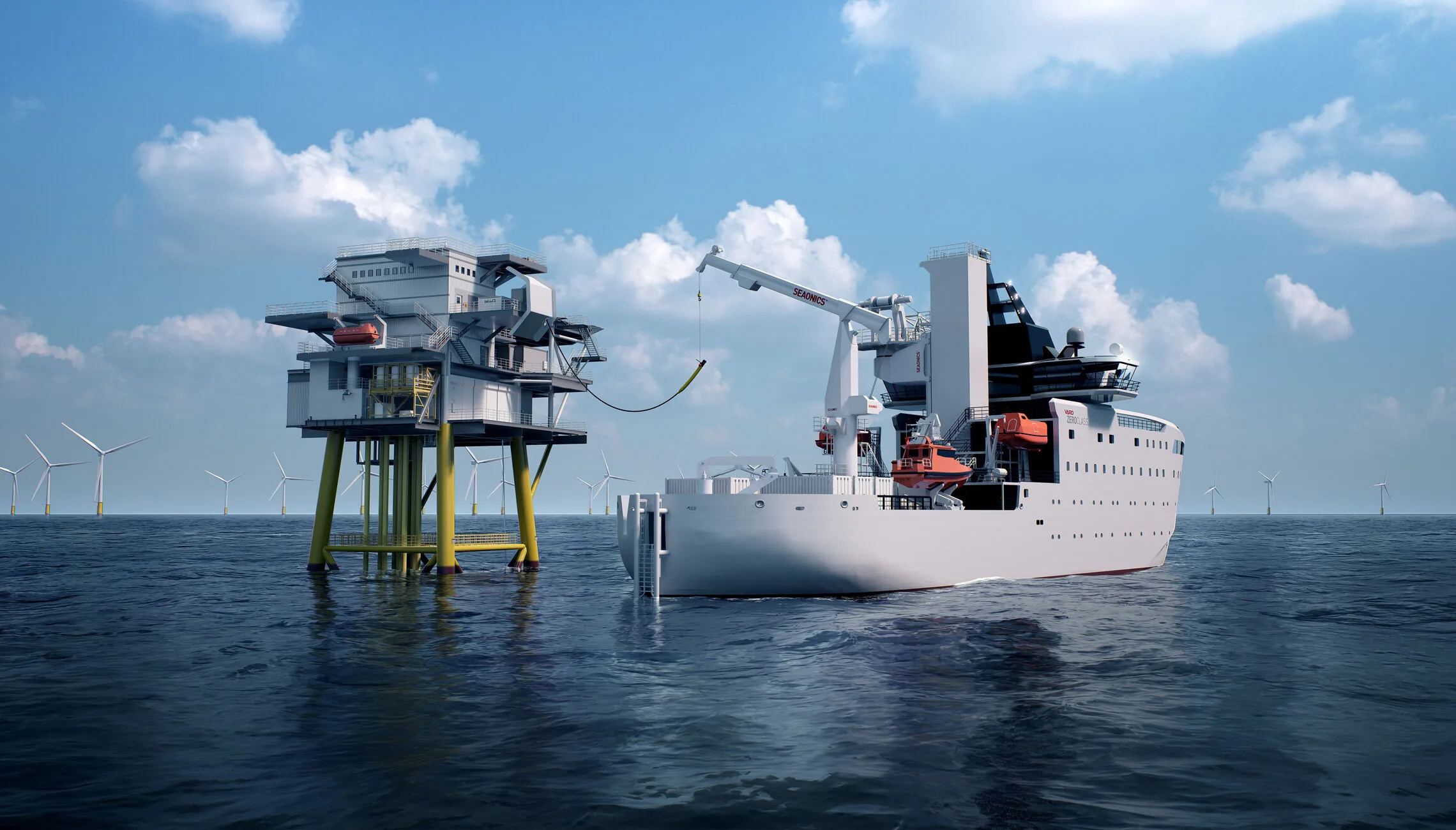
Just as important is another question the industry can’t ignore as more vessels become battery-powered: How the heck do you charge when you’re offshore?
It’s certainly a challenge, but VARD is well on its way. VARD has contributed to offshore charging concepts where battery-powered vessels can recharge by connecting to an offshore power grid (for example in wind farm areas). It’s the kind of solution that can make emission-free operations more realistic. Not by adding “one more feature”, but by solving a genuine operational bottleneck.
Environmental Focus Also Means what Happens on Land
Sustainability isn’t only about what leaves the quay. It’s also about how the yards operate day to day.
VARD reports concrete measures and results related to their operations, including:
- High recycling performance in waste handling (reported at 89% recycled waste in a recent reporting year).
- Cleanup of polluted soil at onshore premises, carried out in cooperation with environmental authorities.
- Operational upgrades that reduce emissions and energy use, such as shore power solutions at the majority of their Norwegian yards (reducing exhaust emissions during commissioning), along with steps like EV charging, LED lighting upgrades, and a growing share of electric vehicles in the company car fleet.
- A stated focus on continuous improvement, with an ambition of at least 10% yearly improvements measured from a defined baseline.
This is the kind of work that rarely looks flashy. But it’s exactly what makes an environmental strategy feel real.
Why it Matters Locally
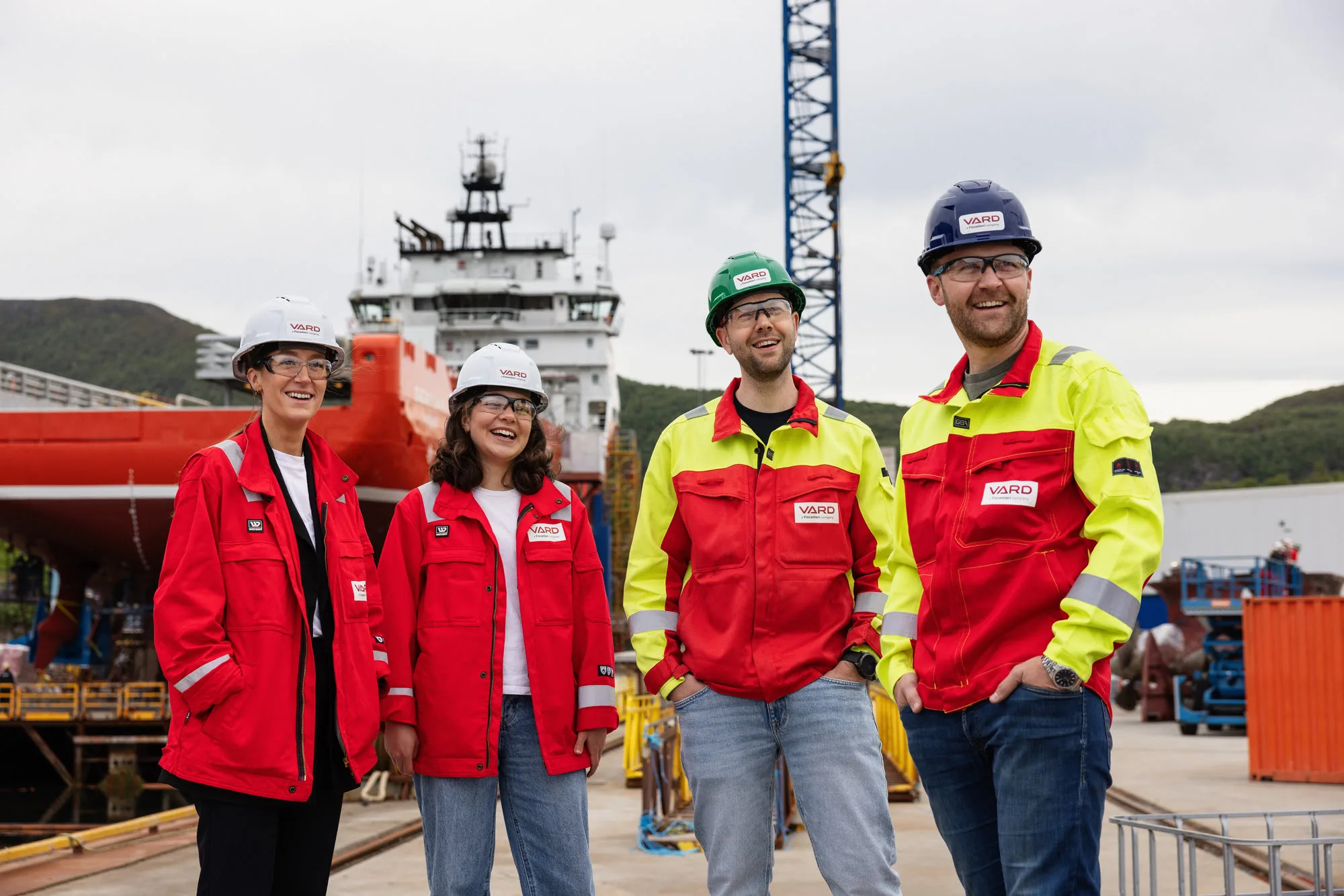
On Sunnmøre, the sea is not a backdrop — it’s everyday life. When shipbuilding is part of the local identity, environmental progress becomes personal: cleaner commissioning, better waste handling, smarter energy use, and vessels that help operators reduce emissions at sea.
- It starts with design decisions made early.
- It becomes real through engineering, validation and safety thinking.
- It grows through efficiency — the difference between a concept and a working vessel.
- And it shows up in everyday choices at the yards, not only in the finished ship.
That combination is what makes the story worth reading. And of course, worth building on.
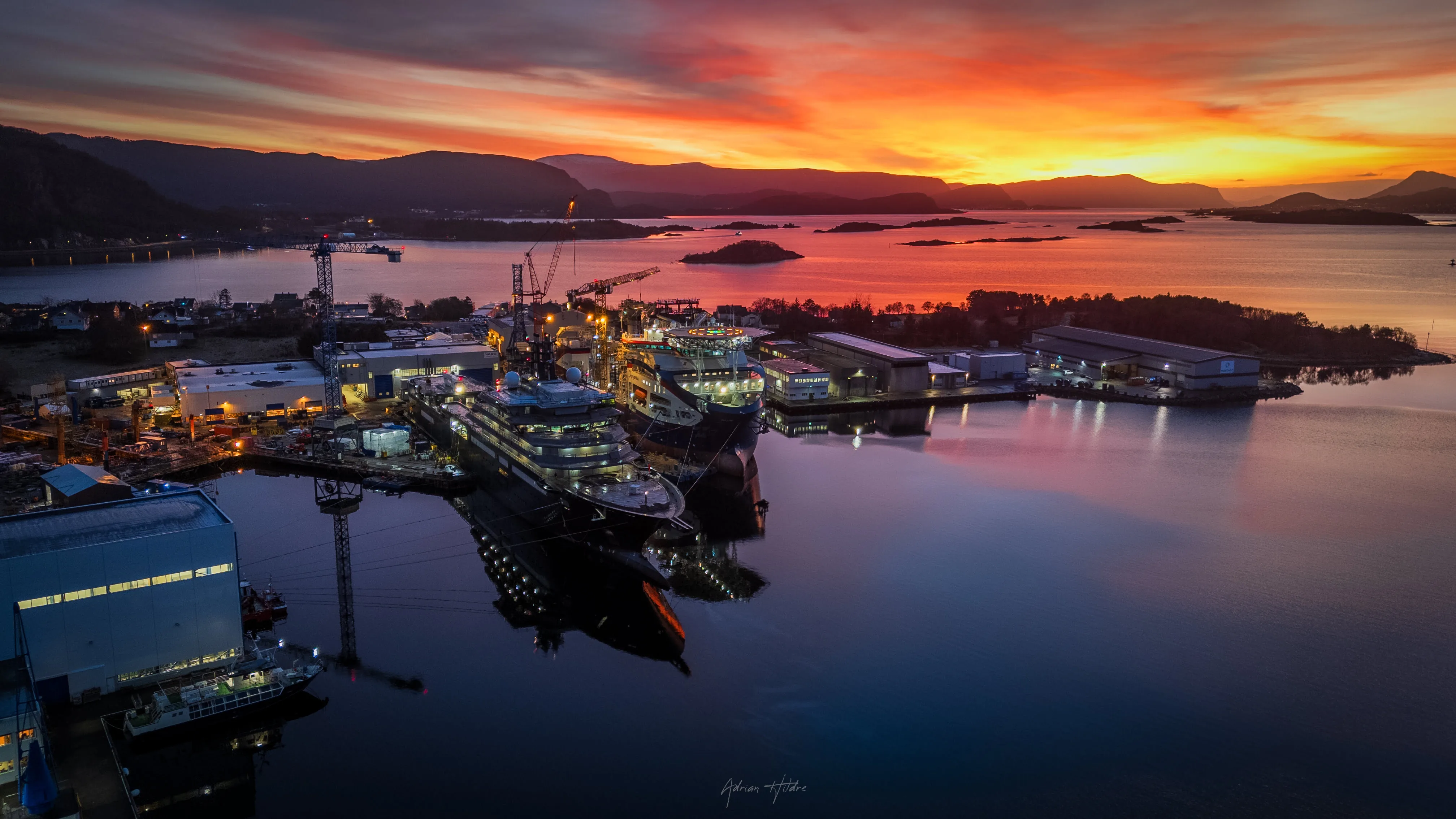
Read more about VARD’s work in green maritime innovation and shipbuilding on the Sunnmøre coast.
More about VARD