
The Math Behind the Slogan
“Move to a smaller place. Live a bigger life.”
At four o’clock, Marte opens the front door at home in Flekkefjord. In Oslo, the time would be the same, but she would still be sitting on a metro between Stortinget and Majorstuen. That difference is not aesthetics. It is a calculation.
What gets bigger when you move to a smaller place? A city apartment is convenient. A big city has more of everything: more amenities, more people, more possibilities. Yet more and more people are leaving, and say without hesitation that their lives have grown larger.
Three things genuinely get bigger when you move to Lister: time, space, and role. The numbers are concrete. The math adds up.
hours a year
The time you get back
The most overlooked theft in an urban life is time. The average commuter in the Oslo area spends around 40 to 50 minutes getting to work one way, according to Statistics Norway. In Lister, the comparable average is under 15 minutes. Most journeys within a municipality take less than a quarter of an hour; between municipalities, typically 20 to 40 minutes.
Source: Statistics Norway commuting data and local travel-time figures.
The math: 33 minutes saved per journey, two journeys a day, 230 working days a year. That alone is over 250 hours. Add queuing, delays, and waiting between connections, and you are well past 330 hours saved a year.
What is 330 hours? Twenty books read over the course of a year. A proper dinner cooked from scratch instead of takeaway, twice a week. Evenings on the beach with the kids before the sun goes down. Time for the hobby you have been meaning to start for years.
The geography is not abstract: sea to summit takes 45 minutes in Lister. From Lyngdal you can be in the Sirdal mountains in the same time it takes an Oslo commuter to reach the office.
more home in Lister than in Oslo, for the same price
The space your money buys
Time is what you get back in your day. Space is what you get for your money.
The average price per square metre for an apartment in central Oslo runs around 100,000 kroner (Krogsveen housing price statistics, 2025). In the Lister municipalities, the average for a detached house is under 35,000 kroner per square metre. The same sum therefore buys you roughly three times as much home.
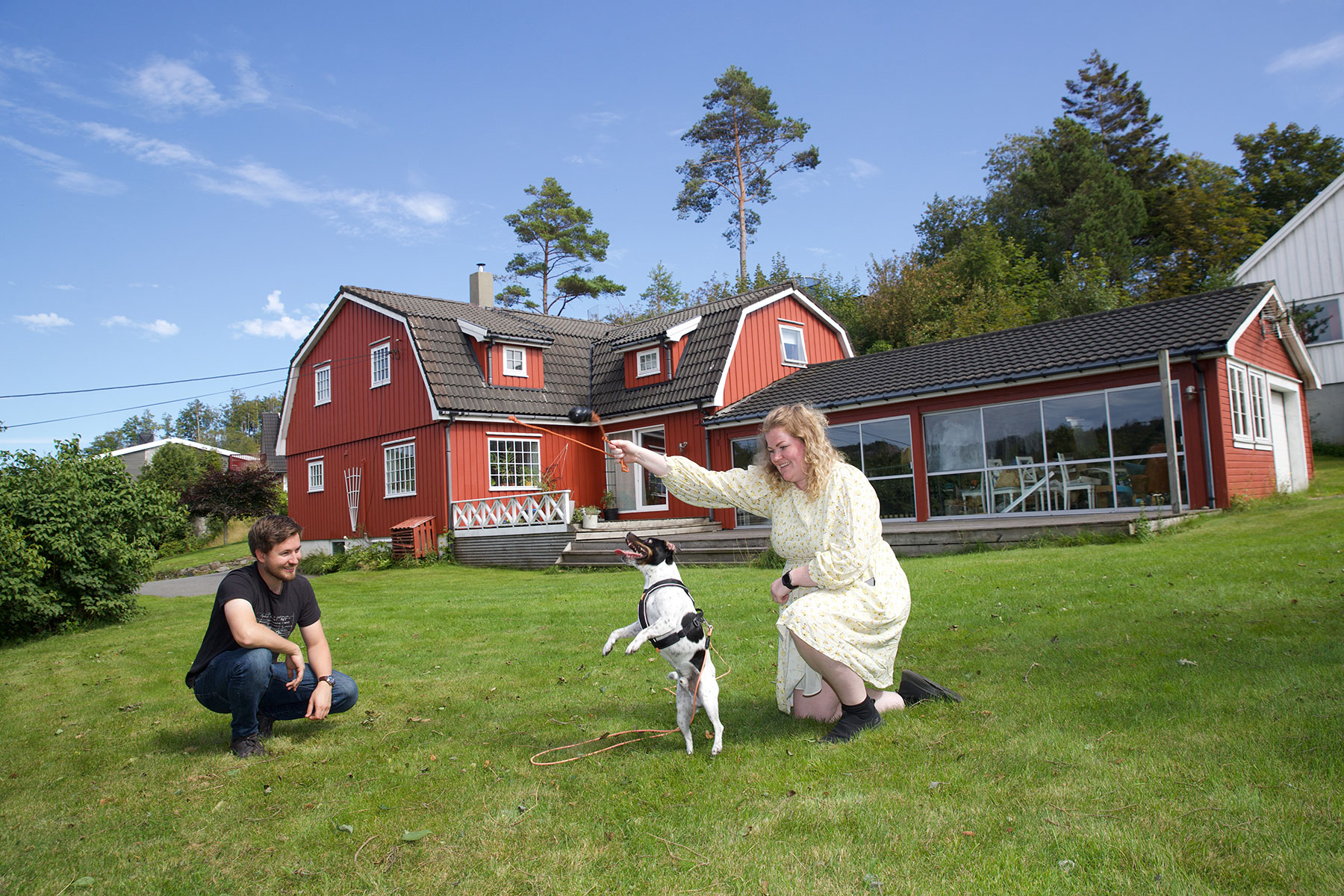
For four million kroner: around 40 square metres of apartment in central Oslo, or a 130 square metre house with a garden, garage, and room to breathe in Lister. That is 90 extra square metres. Room for a growing family, a workshop, a guest bedroom, or simply a room that can stay empty.
The difference goes beyond floor space. It is about what a place allows you to be. A city apartment accommodates you. A house with a garage and an outbuilding accommodates your interests. A motorbike, a boat, a workshop, a proper do-it-yourself setup.
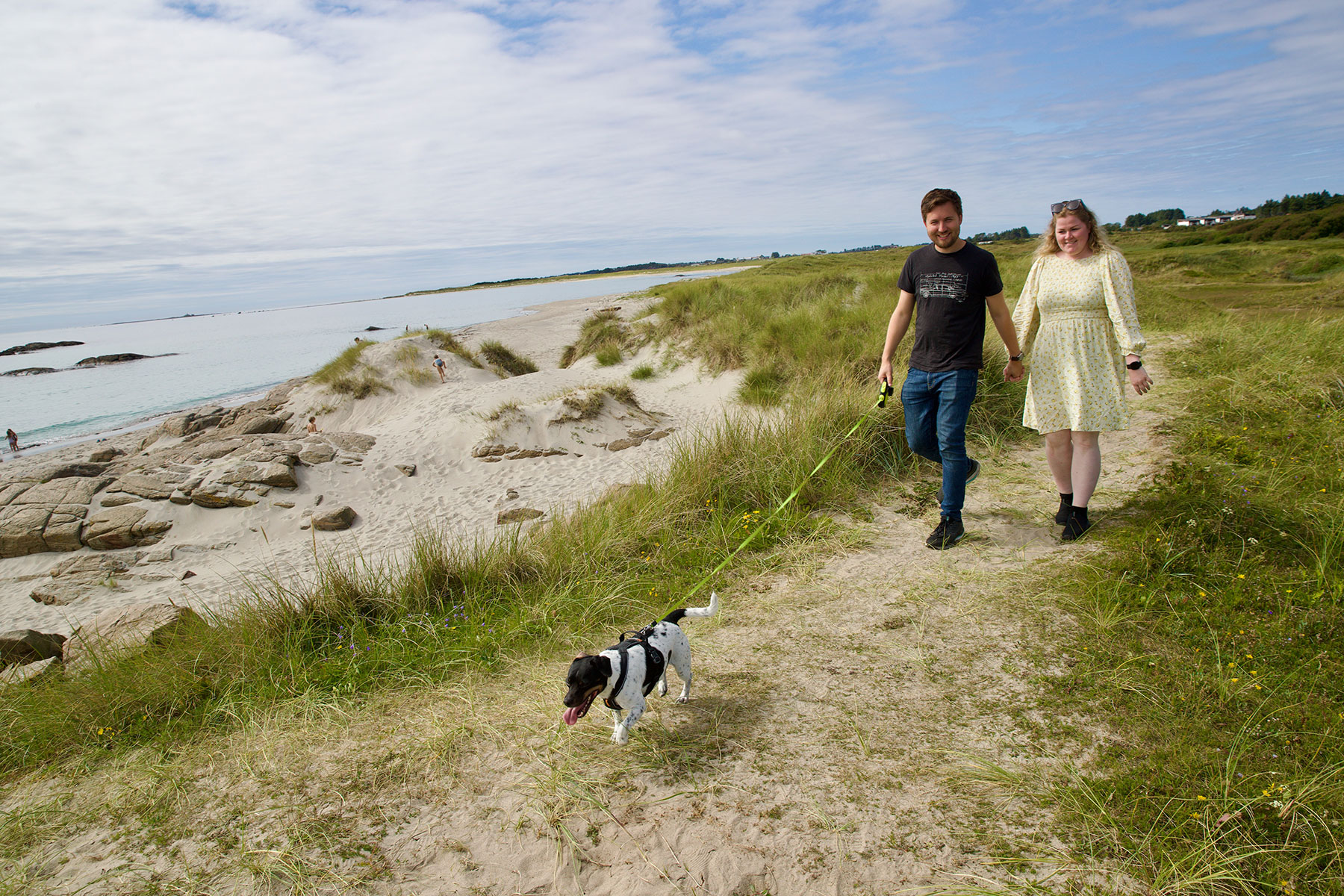
Space is also what lies outside the door. The Lister region stretches from open sea in the south to mountain plateaus in the north. 45 minutes from coast to summit is a fact, not a marketing phrase. From Lyngdal you can be in the Sirdal mountains, in Flekkefjord’s historic timber town, or on the Lista beaches at Farsund, all within the same morning.
Space for working life, too. Lister is not a retirement region. These are its anchor employers:
- Farsund: Alcoa, Tratec, Farmar
- Flekkefjord: Mowi, Marlink, Parat Halvorsen, Tratec-Teknikken
- Kvinesdal: Xstrata Nikkelverk, Eramet, Greenyard, Lister Ferdigbetong
This is a real labour market, not a remote-work fantasy. And it crosses municipal boundaries. You can live in Kvinesdal and work at Alcoa in Farsund. Even cross-border, it is 30 minutes one way, still shorter than the Oslo average.
average municipality size in Lister
The role waiting to be filled
The third thing that gets bigger is harder to put a number on, but it weighs more in daily life: your role.
Oslo municipality has around 700,000 residents. Move there and you automatically become part of someone else’s background statistics, one of many. Lister has 38,500 people, spread across six municipalities averaging 6,400 residents each. Kvinesdal has 6,000. Lyngdal 10,400. Hægebostad 1,700. Sirdal 1,800.
That means more than the shop assistant knowing your name. It means your contribution matters, both to yourself and to the community around you. You could be the coach who builds the girls’ team, the board member who launches a new cultural programme, the language café host who welcomes newcomers. In a big city, effort disappears into the crowd. In Lister, it counts.
registered clubs and associations in Lister, roughly one for every 175 residents. If you show up, there is literally a place for you.
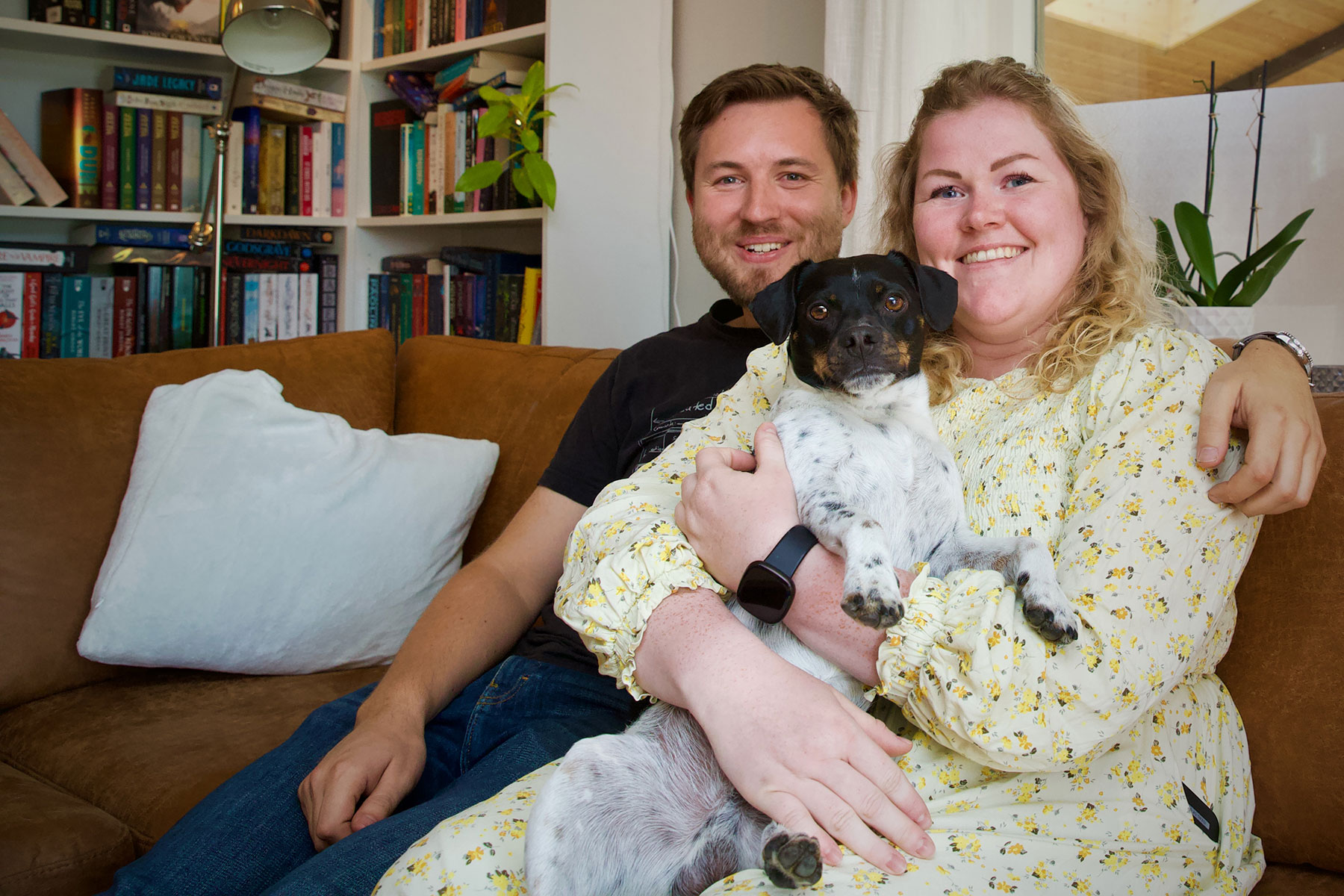
The support system follows the same logic. When entrepreneur couple Richard and Edlynne set up their game studio, Long Lost, in Kvinesdal, they expected little. They received free office space from a local partner, meetings with municipal leadership, and a connection through Innovation Norway to Driv Agder and Lister Nyskaping. All of that within a few weeks.
Not because Lister is especially generous. Because the region has few entrepreneurs to distribute attention among. You are visible here, which means you are heard, and heard means helped.
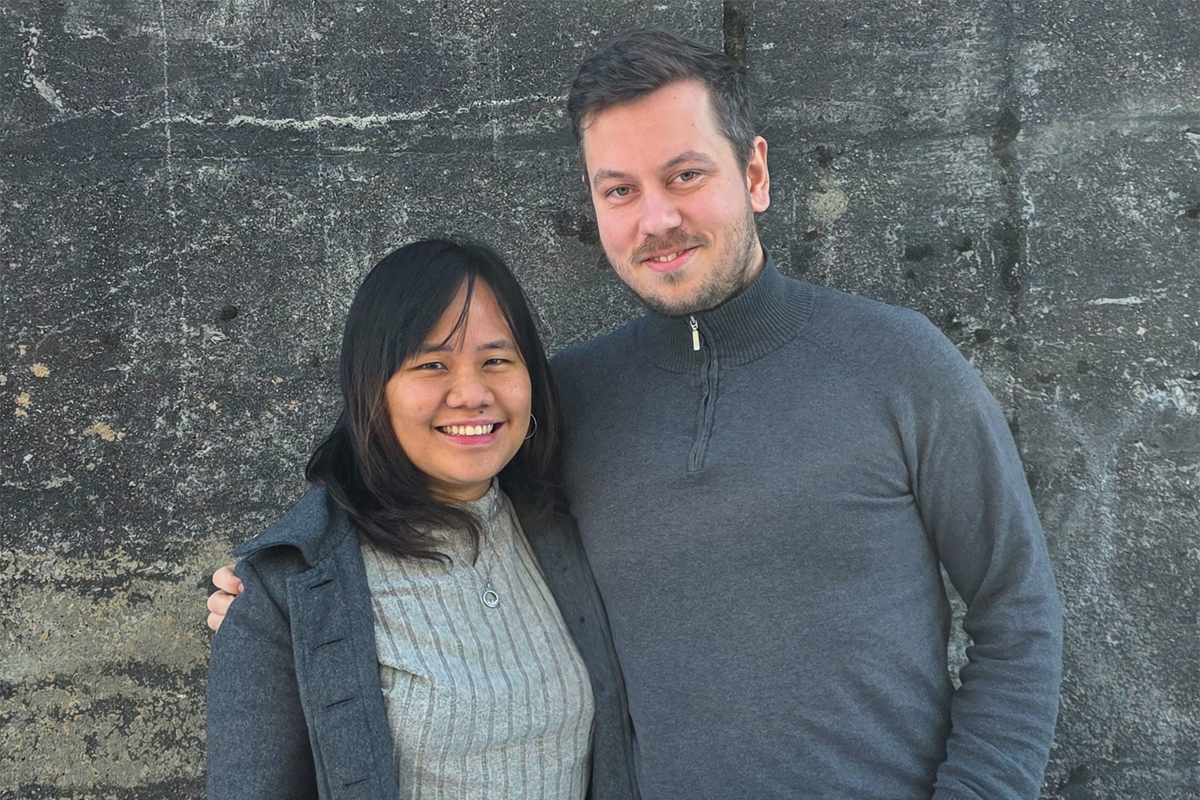
Richard and Edlynne: Long Lost in Kvinesdal
“We expected far less support than we actually received.”
Read the story →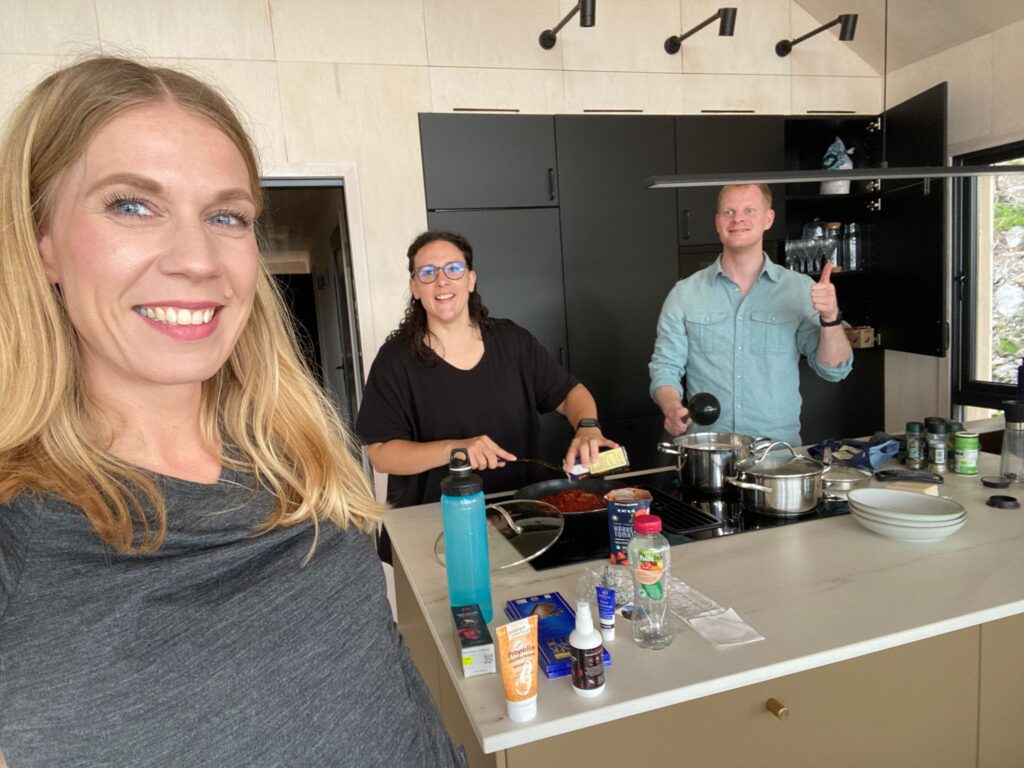
Simon: the Kveldsprat language café
From a city of millions to fishing buddies with Norbert, in one summer.
Read the story →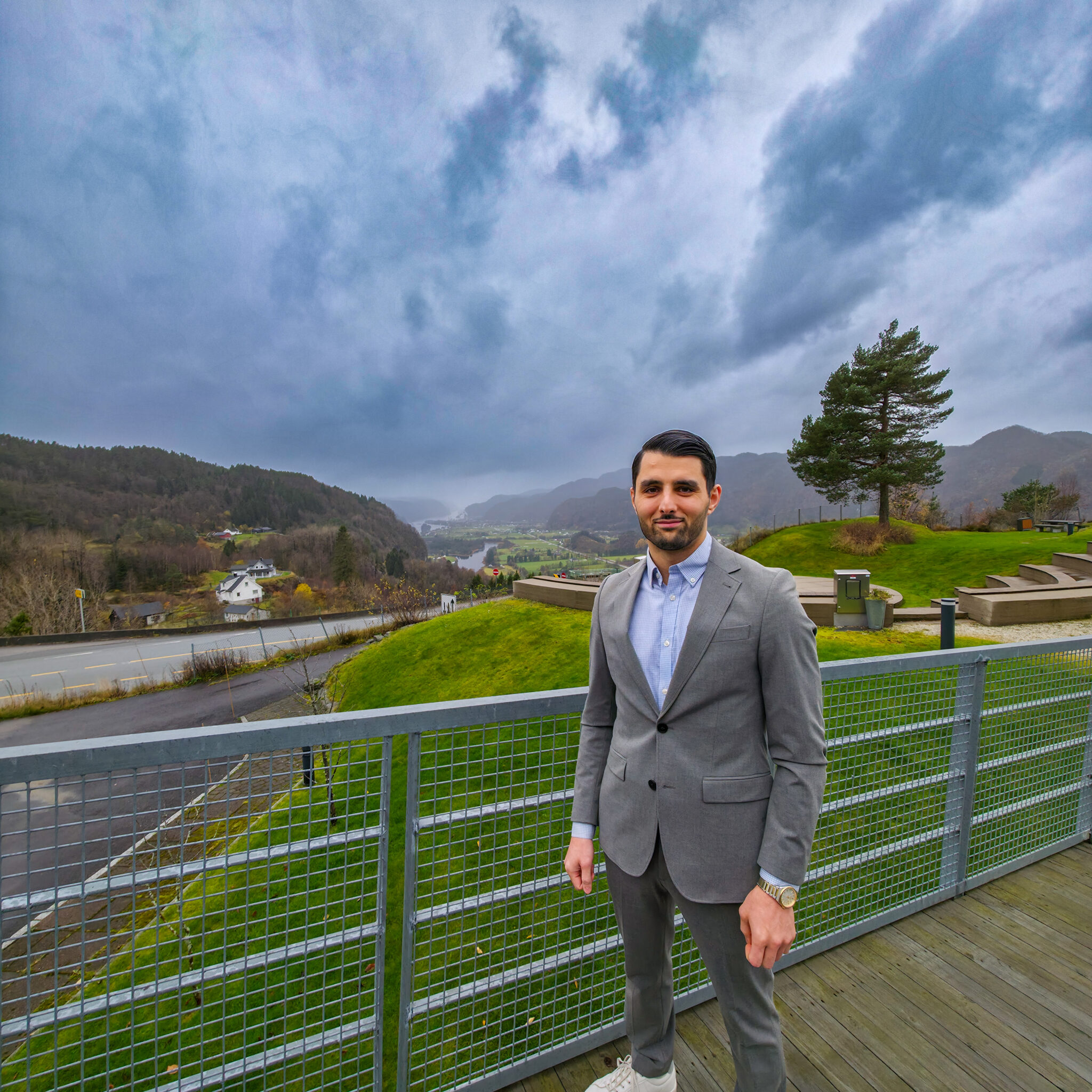
Ibrahim: hotel manager at Utsikten
From washing dishes in Larvik to running one of the region’s landmarks.
Read the story →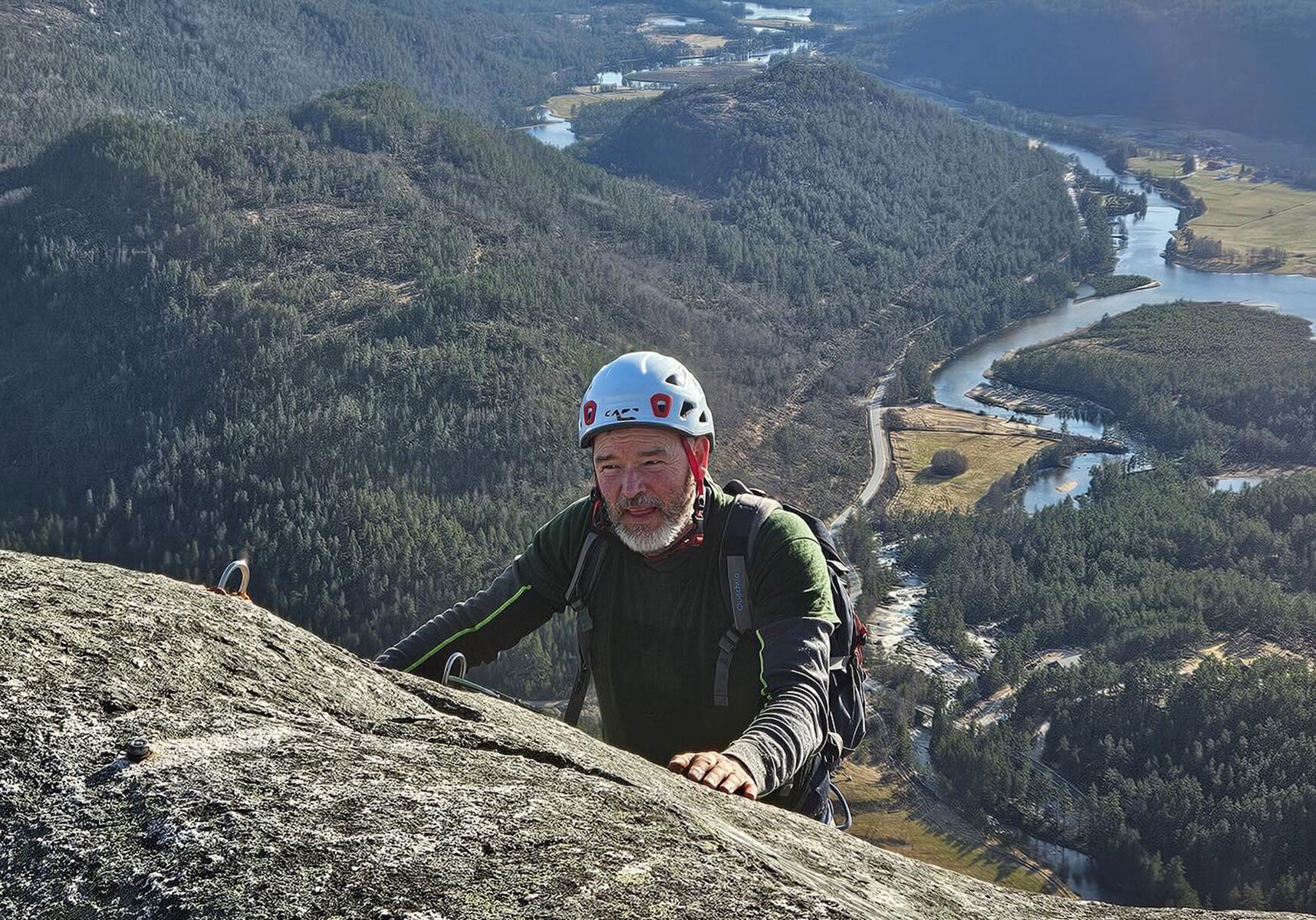 Knaben · Kvinesdal
 Run the numbers yourself
Put in your own numbers. How long is your commute today? What is your housing budget? The calculation is yours.
Lister does not promise everything. The region does not have Oslo’s nightlife, cultural scene, or public transport, and you will have to accept that the shops close earlier than they do in Tøyen. But “Move to a smaller place. Live a bigger life.” is measurable. Not a feeling. Not marketing. A calculation.
What would you do with your extra time?
Sources
- Statistics Norway (SSB): commuting statistics and demographic data (Statistikkbanken, tables on travel time to work and population).
- Prognosesenteret: housing market analysis and average prices for Oslo and Agder.
- The Register of Voluntary Organisations: number of registered clubs and associations in the Lister municipalities.
- Sørlandet Hospital (SSHF): regional health infrastructure.
- Region Lister: own figures on business and regional development.
- Original interviews: Malene Fredbo Sund, Tom Erik Øyen, Simon Jesser, Stina Mydland, Fredrik Trydal Horjen, Ibrahim Isajev, Richard Strømland Egeli, Edlynne Martinez.