The Norwegian Christmas Beer
The Viking tradition that lives on
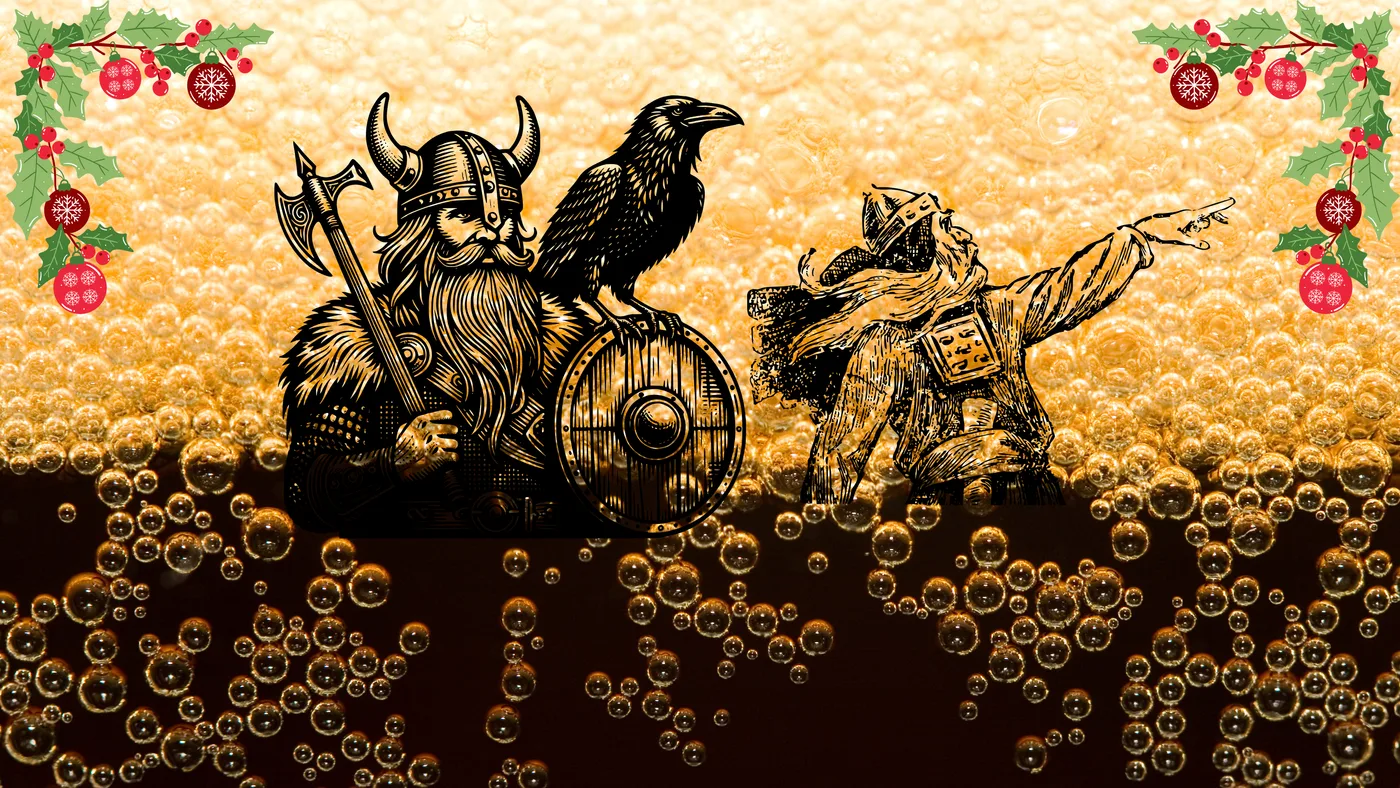
IN NORWAY, Christmas beer has been brewed for more than 1 500 years! For the Vikings, beer was such an essential part of life that brewing for the winter celebrations was mandatory. Skipping was literally a crime! The brewing law eventually vanished, but the Christmas brew most certainly did not.
Dark and Full-Bodied for the Mid-Winter Holiday
So, what makes Norwegian Christmas beer special? First of all, it’s released only for the holiday season. Not so shocking. The labels feature Santa Claus, Christmas ornaments, candles, and other Christmas illustrations.
Classic Christmas Beer Labels
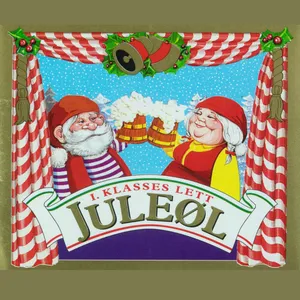
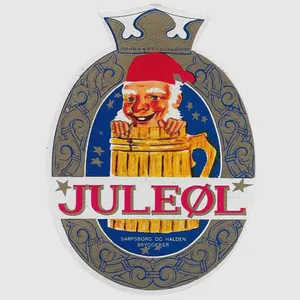
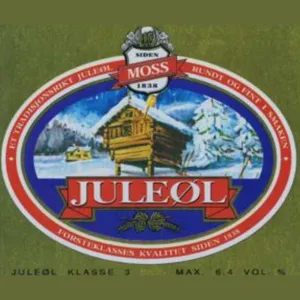
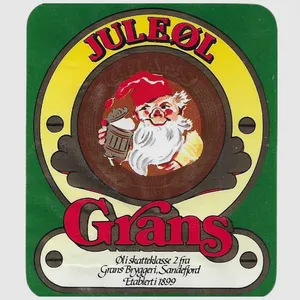
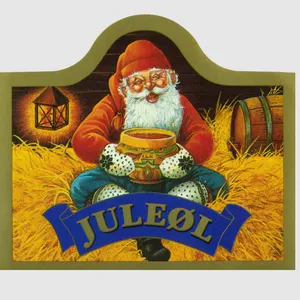
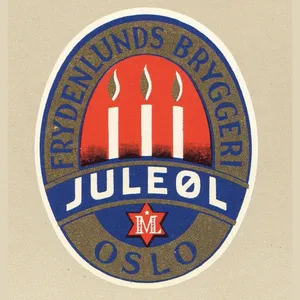
The number of breweries in Norway has skyrocketed in recent years, and pretty much all of them take pride in creating their own special Christmas beer. As a result, the selection is enormous. But most have some things in common; they are dark, full-bodied, and rich in malt flavor. You’ll often find the slight taste of roasted nuts, chocolate, caramel, spices, or dried fruit. The traditional breweries tend to offer dark lagers, while newer ones lean toward robust, dark ales.
For many, Christmas beer is the perfect companion to Norway’s heavy Christmas dishes, including pinnekjøtt, ribbe and lutefisk.
Cheering From the Viking Age
Ritual beer drinking was an essential part of the Norse celebration of midwinter. In Norse mythology, beer had a divine origin and was considered a sacred drink. It was served at major life rituals — birth (barnsøl), death (gravøl), and marriage (festeøl). And, of course, during the winter feast itself (juleøl). Beer held such importance that the tradition continued well into the Christian era. After all, long before Christianity reached Norway, the Vikings already celebrated jul. But for entirely different reasons.
As mentioned, it was an actual crime not to brew Christmas beer. According to the old Gulating law, the farms in Norway were legally required to brew Christmas beer and share it with their neighbors. The punishment for failing to do so could be severe. Worst case scenario, you could lose your farm and even be banished from the country!
Since then, Christmas beer has kept its place in Norwegian culture and remains an important part of the holiday season. During World War II, juleøl was banned, but the tradition was revived in the mid-1950s.
“By the time the third drinker raised the cup, the first should already be singing.”
Old saying from Setesdal
Also from Setesdal comes the word “Jólebassi” – the Setesdal word for julebukk (yule goat). In the old days, a julebukk was literally a billy goat slaughtered for Christmas. Later, the word came to refer to the people who, during the Christmas season, wandered from farm to farm wearing goat masks, completely unrecognizable. Part of the fun was guessing who the jólebassar were. When they visited, adults would offer them beer or a small dram. This tradition still lives on in parts of Norway to this day.
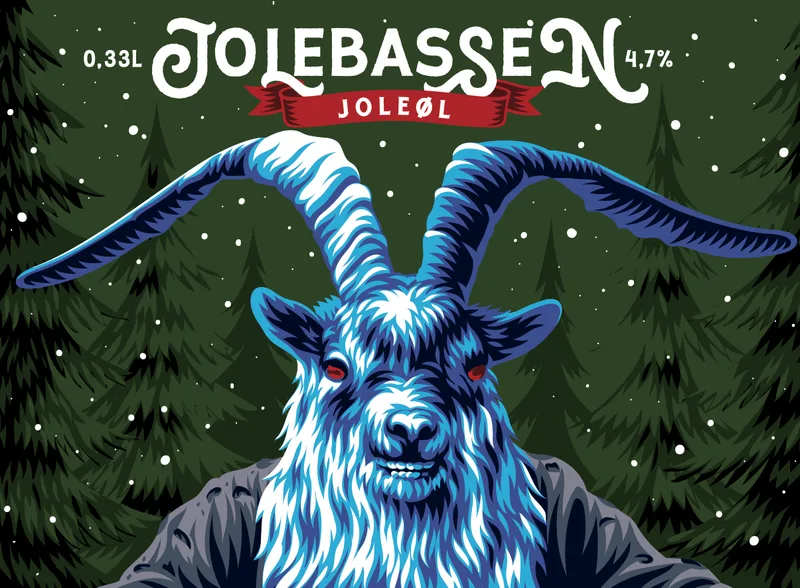
Each year, newspapers run Christmas beer tastings, awarding the top brews of the season. Juleøl is both a piece of cultural heritage and a seasonal delight!
A Real Keeper
Like other strong, dark beers, Christmas beer is naturally long-lasting. Some people even think it tastes best the following Christmas. The strongest varieties can be aged for several years if stored in a cool, dark place, gaining deeper flavors of dried fruit and nuts over time.
And of course, there are alcohol-free Christmas beers for those who prefer that. Juleøl today is something (most) Norwegians enjoy responsibly, not something to get wasted on.
One thing is for sure though, that old Viking tradition is going nowhere in Norway!